A respected Oklahoma farmer’s pursuit of a dream ended horrifically when a water buffalo he bought just the day before turned on him, sparking a wave of questions about exotic livestock and safety.
At a Glance
- Oklahoma farmer Brad McMichael was killed by a water buffalo he purchased at auction less than 24 hours earlier.
- Police euthanized both animals after displaying dangerous aggression, blocking rescue efforts, and threatening responders.
- The incident has left the Jones, Oklahoma community in mourning and raised concerns about the safety of exotic livestock protocols.
- Family, friends, and local residents remember McMichael as a devoted agriculturalist and a pillar of the community.
A Routine Auction Turns Deadly for a Dedicated Farmer
On July 10, 2025, Brad McMichael, a lifelong farmer in the small town of Jones, Oklahoma, attended a local livestock auction on a mission to invest in his farm’s future.
He purchased two water buffalo, attracted by the promise of specialty meat production and agricultural diversification—a move many farmers have considered as traditional markets are squeezed by inflation and government red tape.
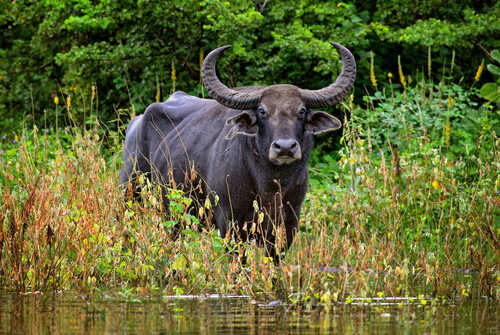
The next evening, while tending to his new animals, McMichael was suddenly and violently attacked. The water buffalo, agitated and unfamiliar with their new environment, inflicted fatal injuries, leaving McMichael dead before rescue crews could reach him.
The community’s first responders, arriving promptly, found themselves unable to approach the scene. The water buffalo, now exhibiting even more aggressive behavior, charged at anyone who dared come close.
Police were forced to make the gut-wrenching decision to euthanize the animals, first to reach McMichael and then to protect themselves and the public after the second buffalo lunged at emergency personnel.
The tragic loss of McMichael has left his family, friends, and neighbors grappling with shock and sorrow, and has reignited debate over whether the regulatory burden on family farms is leaving them exposed to unnecessary risks.
Community in Mourning, Safety Under Scrutiny
Brad McMichael wasn’t just another farmer—he was the heart of the Jones agricultural community. Known for his passion, humor, and generosity, he mentored his son and other young people in the virtues of honesty and hard work.
His girlfriend, Jennifer Green, and ex-wife, Amy Smith, both spoke publicly about his lifelong devotion to farming and livestock, painting a portrait of a man whose life was woven tightly into the rural fabric of Oklahoma.
Local businesses have draped their windows with tributes, photographs, and messages of condolence, underscoring just how deeply this loss is felt. As the community mourns, there’s a growing chorus demanding answers: How did this happen, and what can be done to prevent another senseless tragedy?
For many, the answer lies in the lack of clear, consistent standards for handling exotic livestock—an issue that’s only grown more urgent as farmers are forced to adapt, diversify, and take greater risks to survive in a market battered by inflation and overregulation.
Exotic Livestock: A Risk for Rural America?
Water buffalo are not native to the United States, and while they’ve been domesticated for thousands of years in Asia, they remain unpredictable—even dangerous—when stressed or unfamiliar with their surroundings. Experts and agricultural safety professionals say that, especially after transport and introduction to new farms, these animals require careful acclimatization and secure enclosures. Even seasoned handlers like McMichael are at risk if protocols are unclear, training is inadequate, or support is lacking.
While fatal attacks by cattle and other livestock are not unheard of, incidents involving exotic animals are rare and particularly shocking. This tragedy has prompted renewed calls for both better education and more practical, common-sense regulation—one that doesn’t tie the hands of farmers with endless paperwork but actually equips them to keep their families and communities safe. With family farmers already burdened by government overreach, rising costs, and a system that seems more interested in subsidizing chaos than protecting citizens, it’s little wonder that many now feel abandoned by the very institutions meant to help them.
A Legacy of Hard Work and the Questions Left Behind
The death of Brad McMichael has left a hole in Jones, Oklahoma that won’t soon be filled. His son, Rylan, credited his father with teaching him everything he knows about agriculture. The local police, led by Chief Bryan Farrington, described the harrowing decision to put down the animals as a last resort to protect human life. No criminal activity is suspected, and the investigation has been quick to conclude that this was a tragic accident—the kind of accident that happens when common sense is drowned out by the noise of bureaucratic indifference and misplaced priorities.
The community’s sorrow has been met with determination to honor McMichael’s legacy and to demand that the safety of real Americans—not just the latest cause célèbre—become a priority once again. If nothing else, this heartbreaking loss serves as a stark reminder: in the battle to preserve rural life and American values, it’s the people on the ground who pay the price when government forgets who it’s supposed to serve.