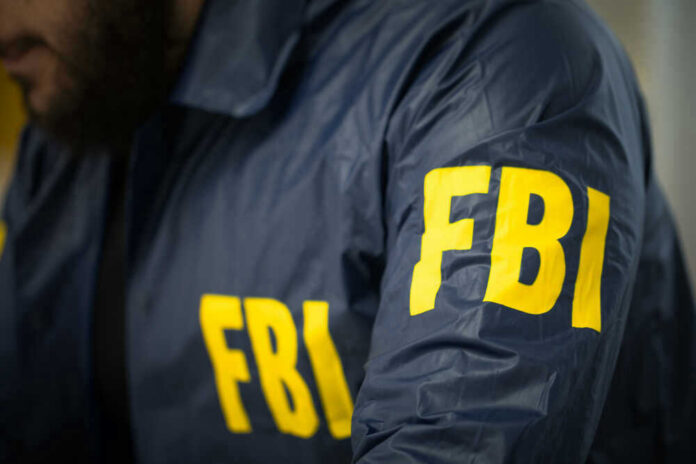
FBI Director Kash Patel strikes back against The Atlantic’s explosive allegations of drunken absenteeism with a massive $250 million defamation lawsuit, exposing the media’s reliance on shadowy anonymous sources.
Story Snapshot
- Kash Patel files $250M lawsuit against The Atlantic and reporter Sarah Fitzpatrick over claims of excessive drinking and irregular FBI attendance.
- Article relies on over two dozen anonymous officials alleging national security risks from Patel’s supposed inebriation and absences.
- Patel, White House, DOJ, and FBI categorically deny all accusations, with Patel vowing courtroom reckoning.
- This marks Patel’s second defamation suit, following a pending case against MSNBC’s Frank Figliuzzi for similar nightclub claims.
Lawsuit Details
U.S. District Court for the District of Columbia received Patel’s 19-page complaint on April 20, 2026. The filing targets 17 specific statements in The Atlantic’s article as false and defamatory.
Patel’s team labels them demonstrably untrue or recklessly published. He seeks $250 million in damages to counter what he calls hit-piece lies aimed at undermining his leadership.
Patel warned The Atlantic pre-publication, stating the story was a lie and they had the truth. The magazine published anyway on April 17, 2026, alleging Patel’s excessive drinking caused missed decisions and rescheduled meetings. FBI Director’s office denied claims before release, emphasizing his full commitment to duties.
Allegations and Denials
The Atlantic’s piece claims Patel drinks to obvious intoxication, skips headquarters and field offices, and impairs national security through delays. Over two dozen unnamed current and former officials voiced alarm. This echoes last year’s accusations from MSNBC’s Frank Figliuzzi, whom Patel already sued in Texas federal court—a case still pending.
Patel dismissed the report to Reuters: “Print it all false. I’ll see you in court. Bring your checkbook.” The White House and Department of Justice backed the denials. The Atlantic responded on X, standing by its reporting and pledging a vigorous defense against the meritless suit.
FBI Director Kash Patel sues The Atlantic for $250 million over story on alleged drinking, absences https://t.co/vv9DwswIrt
— CBS Mornings (@CBSMornings) April 20, 2026
Broader Implications
This clash highlights tensions between Trump-appointed leaders and legacy media in 2026. Some see it as deep state leaks via anonymous sources to sabotage America First reforms at the FBI. Others may view it as press freedom under attack. Both sides share frustration with unaccountable elites—whether bureaucrats or journalists—prioritizing power over truth.
FBI Director Kash Patel sues The Atlantic for article that alleged excessive drinking: https://t.co/N2yWenSqIP pic.twitter.com/WljZSKL7WX
— KY3 News (@kytv) April 20, 2026
Short-term, discovery could unmask sources, risking FBI insiders’ exposure. Long-term, success for Patel might chill anonymous sourcing, deterring hit pieces but raising First Amendment questions.
It bolsters narratives of media bias against Trump officials, amid GOP control of Congress and the White House. Americans across the spectrum weary of elite games question if officials or press serve the people.
Sources:
FBI’s Patel sues The Atlantic, says drinking reports are false