A 39-year-old spearfisherman dying in front of his friends on the Great Barrier Reef is not just a tragic story; it is a blunt reminder that nature does not negotiate, and we are the visitors, not the landlords.
Story Snapshot
- A Cairns spearfisherman was killed by a shark at Kennedy Shoal in front of three friends.
- The attack delivered catastrophic head injuries and became Australia’s third fatal shark attack this year.
- The incident has reignited debate about shark management, risk, and personal responsibility on the water.
- Media framing focuses on spectacle, while authorities still do not even know the shark species for certain.
A fatal dive on a quiet Sunday reef
On a Sunday dive at Kennedy Shoal, about 40 kilometers off the Queensland coast south of Cairns, four mates went spearfishing; only three came back alive.
Police say the 39-year-old Cairns resident had been spearfishing when a shark struck, inflicting a critical head injury that proved unsurvivable despite a frantic dash to shore.[1]
Paramedics met the boat at Hull Heads, a Cassowary Coast town, but reported injuries “not compatible with life,” blunt language that hints at the violence of the encounter.[1][2]
Shark kills spearfisher in front of friends in Australia: "Terrifying thing to see" https://t.co/LLVfE7X9jr
— CBS News (@CBSNews) May 25, 2026
Friends watched the attack unfold in real time, close enough to see details they will likely never forget. They hauled him aboard and tore back toward the mainland, knowing every minute mattered but also knowing they were at the mercy of distance and time.
The Queensland ambulance crew could only confirm what everyone on that boat already understood: the man had died before reaching help, turning a routine weekend spearfishing trip into the sort of nightmare people assume only happens in movies.[1][2]
Shark risk, species uncertainty, and cold statistics
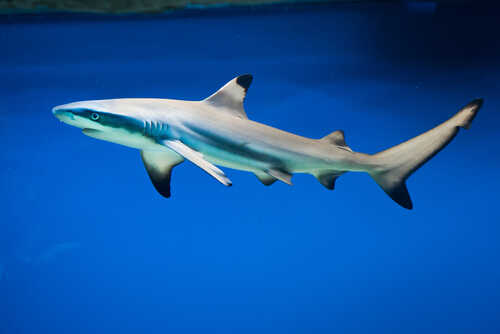
Police have not yet confirmed what species of shark killed the diver, though local fishers reported bull sharks in the area around the time of the attack.[1]
Bull sharks and tiger sharks commonly patrol the Great Barrier Reef, and both species are implicated in previous attacks, but responsible investigators do not guess for headlines.[2]
Nationally, Australia averages just over three fatal shark attacks a year, and this death marked the country’s third shark fatality of 2026.[1] Small statistics mean little when you are the one in the water.
This Great Barrier Reef death came barely a week after another experienced spearfisher, 38-year-old Steve Mattabonni, was fatally mauled at a reef near Rottnest Island off Western Australia.[1]
Police there suspect a large white shark about 16 feet long, again striking while a group of friends was in the water together.[1]
The parallels are hard to ignore: fit, ocean-savvy men, hunting underwater, surrounded by bait, blood, and wounded fish, in waters that large predators have used as feeding grounds for millennia.[1]
Why spearfishing changes the risk equation
Spearfishing does not resemble a casual swim off a patrolled beach. Divers move slowly, hold their breath, chase reef fish, and then store bleeding catch on their belts or nearby float lines.
Predators like bull sharks and great whites are hard-wired to home in on exactly those cues. It suggests that entering a wild food chain carrying a bleeding animal on your hip raises risk dramatically, even if the overall odds of any attack on any given day remain low.[1]
Authorities and many researchers tend to downplay the risk language, preferring broad averages and reminders that shark attacks are rare.[1]
Statistically, that is true, but from a responsibility-first perspective, personal choices still matter. No government can regulate wild oceans into a safe theme park.
People who hunt in shark country choose a higher-risk activity, just as backcountry hunters accept grizzly territory or climbers accept avalanche slopes. Freedom and danger often travel together, and this case underscores that trade-off.
Media framing, culling debates, and who sets the rules
News coverage leans heavily on visual shock: phrases like “terrifying thing to see,” “mauled,” and “horrific event” dominate early reports.[1] That is not fake; what happened truly was horrific.
But this framing rarely pauses long on practical questions that older readers often care about: what gear was used, what protocols were in place, how far the boat went, what first-aid training the crew had?
Sensational narratives sell better than unglamorous lessons learned, yet the latter actually save lives.[1]
Spearfisher Killed in Shark Attack on Great Barrier Reef Off North Queensland https://t.co/Sroh16gsTv
— diverdowndeep (@diverdowndeep) May 25, 2026
Every fatal shark attack in Australia now triggers renewed argument over shark culls, drumlines, and whether humans or predators have priority near popular coasts.
Environmental advocates stress sharks’ ecological importance and the rarity of attacks, while coastal communities and some politicians argue that repeated deaths near tourist areas justify stronger control measures.
Sources:
[1] Web – Spearfisher mauled in Australia’s second fatal shark attack in a week
[2] YouTube – Spearfisherman killed in Great Barrier Reef shark attack | 7NEWS