

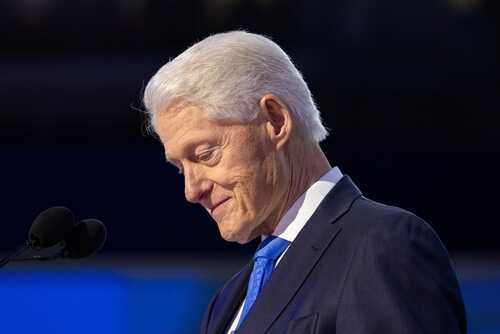
Intrigue deepens as letters from Bill Clinton surface in Jeffrey Epstein’s birthday album, raising questions about their relationship and the political implications.
At a Glance
- A letter from Bill Clinton to Jeffrey Epstein surfaces, adding fuel to the controversy.
- Epstein’s connections with powerful figures continue to raise suspicions.
- The implications for political figures in light of these revelations.
- These associations have further eroded public trust in political elites.
Clinton’s Connection to Epstein Raises Eyebrows
Bill Clinton, former President of the United States, is once again in the spotlight for all the wrong reasons. A letter he penned to Jeffrey Epstein, the infamous financier and convicted sex offender, has emerged from Epstein’s birthday album.
This revelation has stirred a hornet’s nest of questions and concerns regarding the extent and nature of Clinton’s relationship with Epstein. Clinton’s well-documented trips on Epstein’s private jet, often referred to as the “Lolita Express,” have long been a subject of public scrutiny. The resurfacing of this letter only adds another layer to the murky ties between Epstein and powerful political figures.
The implications of these connections are immense. They raise questions about the judgment and character of those once entrusted with the highest office in the land.
As more details emerge, the American public is left wondering how deep the rabbit hole goes. The Clinton-Epstein association is not just a political scandal; it is a reflection of the broader issues of accountability and transparency in government. The public’s faith in political elites, already fragile, is further eroded by these sordid associations.
Political Fallout and Public Distrust
The fallout from the Epstein scandal is not just confined to the individuals directly involved. It reverberates through the corridors of power, casting a shadow over political institutions and processes.
Every new revelation about Epstein’s connections with influential figures serves as a reminder of the pervasive influence of money and power. The public’s trust in its leaders is continually undermined by the perception that they are beholden to special interests and backroom deals.
The Clinton-Epstein connection is particularly damaging given Clinton’s prominent role in the Democrat Party and his influence on its policies and direction.
The revelation of his friendly correspondence with Epstein raises uncomfortable questions about the values and priorities of those in power. It also provides fodder for critics who argue that the political elite are out of touch with the concerns and values of ordinary Americans.
Implications for Future Political Landscapes
The implications of the Clinton-Epstein revelations are likely to be felt for years to come. They highlight the need for greater transparency and accountability in political life.
The public’s demand for leaders who are not only competent but also ethical and principled is unlikely to wane. As such, political parties and candidates will need to reckon with these demands if they hope to regain the trust and support of the electorate.
The Clinton-Epstein saga also underscores the importance of vigilance and scrutiny in the political process. It serves as a reminder that the actions and associations of those in power must be subject to public scrutiny and debate. The public’s role in holding leaders accountable is more critical than ever.