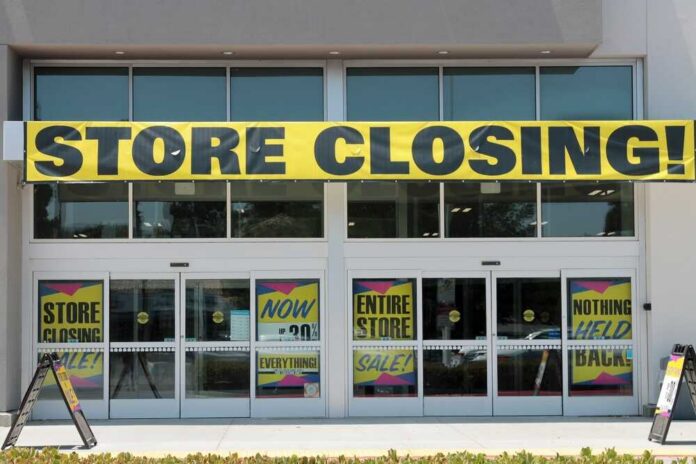
Leslie’s will shed about $685 million of debt, close 76 stores, and keep the rest running under court protection.
At a Glance
- Leslie’s filed Chapter 11 in Texas with a pre-arranged plan.
- Plan aims to cut about $685 million of funded debt, roughly 90%.
- 76 stores will close; the rest and online stay open.
- New financing includes $90 million in bankruptcy loans and $60 million in equity.
What Leslie’s Did And Why It Matters
Leslie’s, Inc. filed voluntary Chapter 11 cases on September 30, 2026, to execute a pre-arranged restructuring in the United States Bankruptcy Court for the Southern District of Texas. The company says it will reduce funded debt by about $685 million, near 90 percent of what it owes, which resets the balance sheet while operations continue. Management will close 76 stores and keep the larger network and digital channels open to serve customers during the case. The move targets speed, stability, and survival.
The plan sits on a restructuring support agreement with major lenders, which often decides who owns the company after the exit. The deal includes $90 million in new bankruptcy financing and $60 million of new equity, backstopped by key creditors, to fund operations and the turnaround. Debt comes down, cash comes in, and lenders likely take more control. Shareholders often get wiped out in these setups; filings flag that risk and shift focus to the business that remains.
How Chapter 11 Keeps The Business Running
Pre-arranged Chapter 11 exists to fix the balance sheet fast and keep the lights on. Companies negotiate terms with creditors before filing and enter court with votes lined up, which saves time and money and cuts uncertainty for workers, vendors, and customers. Retailers also use Chapter 11’s power to reject bad leases and close weak locations to stop losses and free cash for better stores. That is what Leslie’s is doing now: trim the footprint, stabilize cash flow, and defend the core network.
This playbook has a long record. Studies show most retailers that emerge as going concerns close stores during bankruptcy, often more than a quarter of the fleet, because lease costs and thin margins crush cash when demand slows. Faster cases raise the odds of success because they reduce disruption and limit professional fees that eat liquidity. The aim is simple and conservative: live within means, cut what does not earn its keep, and protect loyal customers and jobs where profits remain.
Why 76 Closures Can Save Hundreds More
Closing 76 stores may sound harsh, but it protects the rest. Unprofitable sites drain cash and management time. Chapter 11 lets Leslie’s exit those leases cleanly so the stores with steady traffic and service revenue can survive. The company says all other locations and e-commerce will keep serving pool owners, which keeps brand trust and recurring chemical sales intact. That is the engine that pays suppliers, supports technicians, and funds the reorganization.
Credit markets also demand discipline. Lenders agreed to new money because the plan reduces debt to a supportable level and sets clear steps to fix costs. That matches common sense. Families watch their budgets. Businesses should too. When debt shrinks and weak stores close, managers can invest in inventory that sells, train staff on service work, and restore basic in-store reliability. Debt reduction without cost fixes fails; paired together, it can work.
What Customers, Workers, And Suppliers Should Expect Next
Stores that remain open will still sell pumps, filters, chemicals, and parts, with digital ordering as usual. Gift cards and loyalty programs typically continue in pre-arranged cases because keeping shoppers engaged preserves value. Some local markets will feel the loss of a nearby shop, but nearby Leslie’s stores or online will handle the demand. Suppliers usually keep shipping once new financing is in place and the court approves routine payments that support operations.
The risk now sits in execution. The company flagged going-concern doubts before filing, so leaders must hit targets and exit on time. The plan gives Leslie’s a cleaner balance sheet, but performance must follow. Retail history shows that smart lease cuts and tight inventory control can bring a chain back; sloppy follow-through can send it to liquidation. The conservative path here is straight: honor customers, reward stores that earn cash, and avoid the debt trap that sparked this reset.
Sources:
foxbusiness.com, finance.yahoo.com, sec.gov, stocktitan.net, equibles.com, bisnow.com, vlolawfirm.com, nber.org