
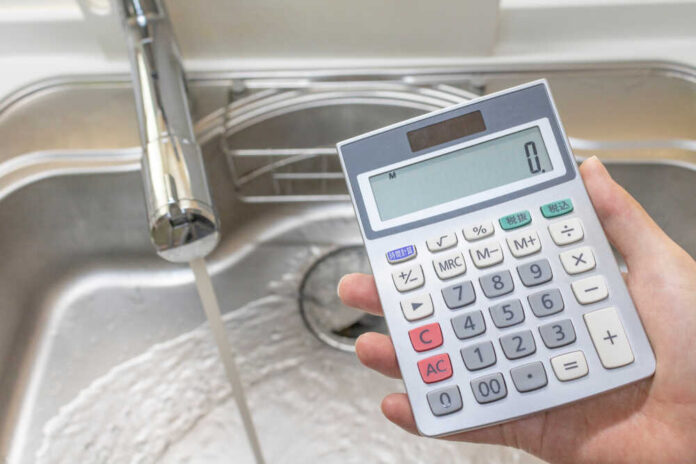
Household water bills jumped 62% in a decade, and that quiet surge now shapes every kitchen table budget.
Story Snapshot
- Average household drinking water bills rose 62% from 2015 to 2025 across major systems.
- The study analyzed the 500 largest community water systems serving over 150 million people.
- Water bills outpaced inflation, groceries, and median income growth over the period.
- Federal assessments show millions already face unaffordable water costs.
What the new report measured and why it matters
Food and Water Watch reviewed typical household drinking water bills in 2025 and compared them with 2015 for the nation’s 500 largest community water systems. The group found an average 62% increase, which beat inflation and grocery price growth. The analysis places water on the short list of fastest-rising household costs. The systems in the study serve a large share of Americans, so this is not a niche problem. It touches suburbs, small cities, and big metro areas alike.
Those numbers fit a context federal analysts have tracked for years. The Environmental Protection Agency’s 2024 water affordability assessment estimated that 12.1 million to 19.2 million households lack affordable access to water services. That range underscores how many families run out of room in the monthly budget before covering a basic need. When water bills rise faster than paychecks, late fees and shutoff risks follow.
The forces pushing rates up faster than paychecks
Local utilities set rates, and they must cover what it takes to pump, treat, and deliver safe water every hour of every day. That work now costs more. Aging pipes need replacement. Treatment plants must meet stricter health standards. Droughts, storms, and floods damage assets and disrupt supplies. Each expense rolls into the rate base that customers pay. Trade sources report that water and sewer bills have beaten inflation for years because system costs have been underpriced and are now catching up.
Federal and state funds help but do not erase the math. Grants and loans often require local matching funds, and they do not cover ongoing operations. Utilities have to pay for power, chemicals, labor, and maintenance every month. When those inputs rise, rates usually follow. Congress has studied this affordability squeeze for decades under the Safe Drinking Water Act. The problem persists because capital needs are lumpy, local tax support varies, and ratepayers remain the backstop when costs surge.
Who feels the squeeze first and worst
Low-income households bear the brunt of sharp rate hikes. A jump that looks modest on paper can erase the last bit of slack in a tight budget. Recent academic work shows that private ownership among large systems is associated with higher bills for typical and low-income users. Ownership structure interacts with cost drivers and finance models, which can raise monthly charges for families least able to absorb them. That pattern magnifies the risk of arrears and service interruptions.
Federal estimates suggest millions already teeter on the edge. When a family must choose between water, medicine, and fuel, there is no “nice to have” line item to cut. Policy debates focus on lifeline rates, customer assistance, and performance targets tied to service quality and cost control. The goal is straight common sense: keep water safe and reliable while making sure a basic level of use remains affordable to the people who need it most.
Americans are paying 62% more for household drinking water than a decade ago, with some communities facing annual bills above $1,400 as utilities confront mounting infrastructure costs. https://t.co/FKLge14tfO
— NEWSMAX (@NEWSMAX) October 8, 2026
What conservative common sense says to do next
Local control should remain the first principle. City councils and utility boards are closest to the assets, the risks, and the ratepayers. But local control works best with radical transparency. Post clear budgets, project lists, and timelines. Tie every rate hike to a line of work that reduces leaks, improves treatment, or cuts outages. Publish leak-loss audits and set annual targets to recover water that customers now pay for but never receive.
Targeted help beats broad subsidies. A smart customer assistance program can shield vulnerable households without shifting costs onto working families already strained by inflation. Tie aid to verified need, and sunset it unless the household requalifies. Competitive bidding and lifecycle costing can stretch every capital dollar. Independent audits can flag bloated contracts or scope creep. When projects hit milestones, rates should flatten; when they miss, leadership should answer. That is the accountability taxpayers expect.
How to bend the cost curve without cutting safety
Fix leaks before building shiny new capacity. Many systems lose a large share of treated water to aging mains. Replacing the worst segments first can slow rate growth. Phase upgrades so debt service does not spike all at once. Align capital schedules with grant cycles to pull in outside dollars. Standardize parts and processes across facilities to lower maintenance and training costs. None of this makes news, but it makes a bill smaller and service steadier.
The 62% surge is not a mystery story; it is the bill for decades of delay coming due. The path out is workmanlike, not flashy: plan better, buy smarter, measure losses, and guard every dollar as if it were your own. Families cannot drink excuses. They can only drink water that is safe, reliable, and priced with care. The numbers in this report are a warning, but they also point to a simple charge: do the basics well and prove it every month.
Sources:
cbsnews.com, foodandwaterwatch.org, consumeraffairs.com, gizmodo.com