
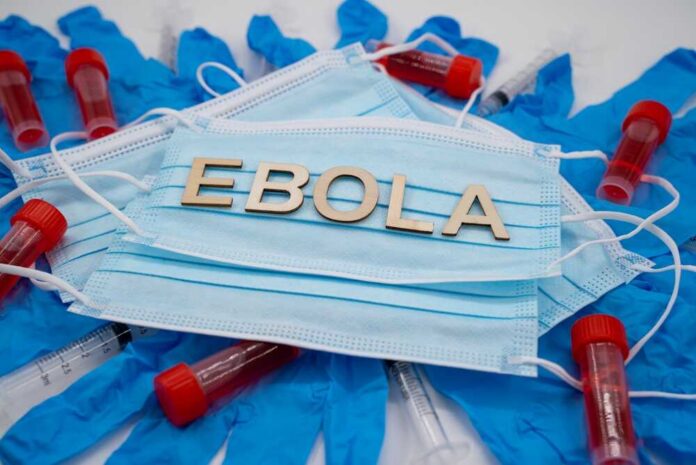
Kenya confirmed its first imported case of Ebola caused by the Bundibugyo virus, and the patient died in Nairobi days after arrival.
Story Snapshot
- Health officials confirmed the case and the death in Nairobi.
- The patient was a Kenyan citizen who had lived in the Democratic Republic of the Congo for seven years.
- Lab tests at two Kenyan facilities confirmed Bundibugyo Ebola virus disease.
- The patient traveled from the Democratic Republic of the Congo through Uganda before reaching Kenya.
Kenya’s First Bundibugyo Ebola Case: What Officials Confirmed
Kenya’s Ministry of Health announced the nation’s first imported case of Ebola Bundibugyo virus disease and said the patient died shortly after reaching Nairobi. Health Cabinet Secretary Aden Duale identified the patient as a Kenyan who had lived in the Democratic Republic of the Congo for seven years. Duale said tests confirmed Ebola Bundibugyo at the National Virology Reference Laboratory and at the Kenya Medical Research Institute, which is standard for high-risk pathogens.
Officials said the traveler came from the Democratic Republic of the Congo, moved through Uganda, and then arrived in Kenya. Reporting states the person became ill weeks earlier and sought care at several hospitals in the Democratic Republic of the Congo before traveling. The patient arrived in Nairobi over the weekend and died on Monday. The ministry emphasized the confirmation as an imported case, not evidence of community spread in Kenya at this time.
Airport Screening, Hospital Transfer, and Safe Response Steps
Kenya’s Ministry of Health said the patient passed routine health checks at Nairobi’s main airport and was then taken to a hospital by a family member, where care and isolation followed. Routine entry screening checks temperature and symptoms; it does not catch all infections, especially if a traveler is between fever spikes. The ministry urged calm and said response systems and trained teams were already in place before this case appeared.
Public health teams began contact tracing around the patient’s travel and hospital visits. Standard steps include identifying close contacts, monitoring them for symptoms, and using safe burial practices. These measures break chains of transmission when done fast and well. Kenya’s health authorities said they had scaled up border and surveillance measures since May 2026, when the region’s Bundibugyo outbreak surged next door.
Why Bundibugyo Ebola Imports Happen—and How to Contain Them
Movement across the Democratic Republic of the Congo–Uganda–Kenya corridor is constant, and outbreaks often ride the same roads and flights people use for work and family. The World Health Organization has described a steady pattern of cross-border spread for this strain in 2026, with new countries detecting single imported cases or small clusters from travelers. Detection speed, isolation, and tracing drive whether an import ends there or grows.
Kenya has confirmed its first-ever imported case and death from the Bundibugyo strain of the Ebola virus, involving a national traveling back from #DRC
The virus has killed more than 4,000 people during a massive outbreak that began in the Democratic Republic of the Congo (DRC).… pic.twitter.com/21fnMKNJBO
— Kennedy Wandera (@KennedyWandera_) October 6, 2026
Bundibugyo is a form of Ebola first identified in Uganda in 2007. Unlike the Zaire strain, no approved vaccine or cure exists yet. Supportive care still saves lives when started early: fluids, electrolytes, and treatment of complications help the body fight the virus. That reality raises the stakes for early triage at clinics, ambulance protocols, lab capacity, and safe care rooms. Prepared systems mean a single case stays a single case, which aligns with common-sense public health priorities.
What To Watch Next: Timelines, Links, and Containment
Kenya’s next steps will show whether the system closes every loop. Expect updates on the contact list, any secondary cases, and whether sequencing links the virus to a known chain in the Democratic Republic of the Congo. World Health Organization reports show that most spread risk comes from late detection and delayed isolation, not from airports alone. Clear public guidance and quick testing protect families and health workers the most.
One brief caveat applies in fast-moving outbreaks: early reports can differ on exact routes and dates, even when the core facts are firm. The confirmed facts here are strong: a Kenyan citizen arrived from the Democratic Republic of the Congo by way of Uganda, tested positive for Bundibugyo Ebola at two Kenyan labs, and died in Nairobi. Kenya’s job now is classic outbreak math—trace fast, isolate well, and keep hospitals tight—so one tragedy does not become many.
Sources:
bbc.co.uk, standardmedia.co.ke, chinadailyasia.com, kenyanews.go.ke, who.int