

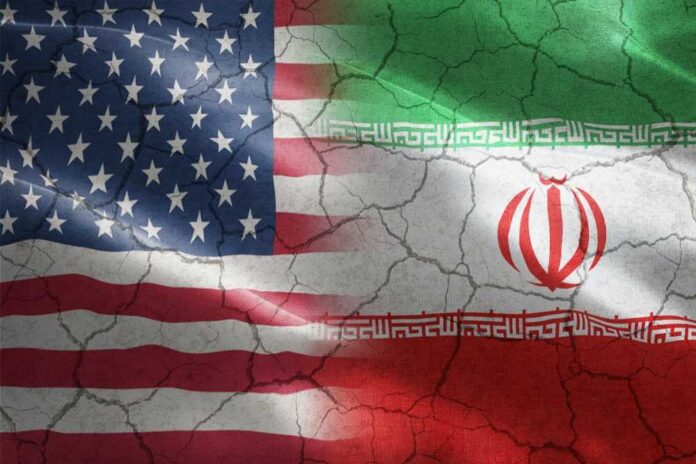
Nearly 100 American troops have been wounded in the past two weeks alone as the United States and Iran trade strikes across the Middle East night after night.
Story Snapshot
- Pentagon officials say close to 100 U.S. service members were hurt over the last two weeks amid escalating strikes on Iran.
- The current round of fighting followed a July 17 Iranian missile and drone attack in Jordan that killed two American troops and left one missing.
- U.S. Central Command has carried out at least ten straight nights of strikes on Iranian military targets, ordered directly by the Commander in Chief.
- The Pentagon now counts 16 Americans killed and more than 430 wounded since the conflict resumed.
A Deadly Night in Jordan Set Off the Latest Round
On July 17, Iranian forces fired ballistic missiles and drones at a U.S. base in Jordan. Two American service members died. One went missing. Four others needed hospital care, U.S. officials said. The attack hit modular housing where troops were resting, making it one of the deadliest strikes on U.S. forces in the region this year.
Central Command answered fast. Within a day, American forces struck Iranian coastal surveillance sites, air defense facilities, and Revolutionary Guard units tied to the Jordan attack. The Commander in Chief personally ordered the strikes, according to the military’s own public statement.
Ten Nights and Counting of U.S. Strikes on Iran
What began as a single retaliatory wave has turned into a sustained campaign. Central Command reported an eighth consecutive night of strikes on July 18, then a ninth the following night after another American soldier died in fighting. By July 20, the exchange had stretched past ten straight nights, with no clear end in sight.
Nearly 100 American service members have been injured in multiple Iranian airstrikes on bases in the Middle East region this month, U.S. officials told CBS News. https://t.co/C7qvE4r8qe
— CBS News (@CBSNews) July 20, 2026
Each round has widened the target list. Strikes have hit air defense systems, ground control stations, and radar sites near the Strait of Hormuz, along with military installations tied to Iran’s missile and drone programs. Iran has answered by striking American bases in Jordan, Kuwait, and Bahrain, along with tankers moving through the strait.
The Human Cost Keeps Climbing on Both Sides
The Pentagon says close to 100 service members have been hurt in just the past two weeks, part of a wider toll that now includes 16 Americans killed and more than 430 wounded since the conflict began.
Iran claims the U.S. strikes have killed at least 46 people and wounded more than 400 inside its own borders. Neither government has offered a full accounting of how those numbers were reached.
As of July 20, 2026, the US and Iran are engaged in an active, escalating military conflict involving repeated US airstrikes on Iran and Iranian retaliatory attacks, primarily focused on the Strait of Hormuz. This is not a formally declared full-scale ground war but involves…
— muffi kapadia (@muffikapad) July 21, 2026
Casualty counts in an active war zone rarely stay fixed for long. Both sides have strong reasons to shape the numbers they release, and independent verification remains difficult while strikes continue nightly. That gap between official claims deserves scrutiny, even as the core facts of repeated attacks and real American deaths are not in question.
Retaliation Has Deep Precedent, but the Scale Is New
American strikes following the deaths of U.S. troops are not new. In February 2024, President Biden ordered strikes on Iran-backed militia sites in Iraq and Syria within hours of returning the remains of three soldiers killed in a Jordan drone attack. That campaign hit more than 125 targets across seven sites, but stopped short of striking Iranian territory itself.
The current campaign goes further. Instead of hitting proxy militias, American forces are now striking Iranian soil directly, including coastal defenses and missile infrastructure. That shift marks a real escalation from past retaliatory patterns, and it helps explain why the toll on both sides has climbed so fast in just ten days.
For families of the wounded and the fallen, the strategic debate matters less than the plain fact that American troops keep coming home hurt or not at all. Whatever comes next in this fight, honoring that sacrifice with a clear-eyed, honest account of the cost is the least the country owes them.
Sources:
cbsnews.com, centcom.mil, en.wikipedia.org, npr.org, cnn.com, youtube.com, theapextimes.com