
The Pro Football Hall of Fame’s secret committee just denied Bill Belichick—the winningest coach in NFL history with six Super Bowl rings—a first-ballot induction, sparking fury from President Trump and exposing a voting process riddled with grudges, scandal-mongering, and zero accountability.
Story Highlights
- Belichick received fewer than 40 of 50 votes needed despite unprecedented six Super Bowls as Patriots head coach
- President Trump demands the decision be overturned, calling it outrageous and politically motivated
- Anonymous voters cited decade-old Spygate and Deflategate controversies already punished by the NFL
- Tom Brady, Robert Kraft, and other NFL legends blasted the snub as “completely ridiculous” and damaging to Hall credibility
- Growing calls for transparency reform to expose voters who let personal vendettas override historic accomplishments
Historic Snub Defies Logic and Legacy
Bill Belichick’s coaching résumé stands unmatched in professional football: eight Super Bowl championships total, six as New England Patriots head coach from 2001 to 2018, plus two more as defensive coordinator with the New York Giants. The 50-member Hall of Fame Selection Committee requires an 80 percent supermajority—40 votes—for first-ballot induction.
In early January 2026, Belichick fell short of that threshold, becoming the only coach with his championship pedigree ever denied immediate recognition. The decision defies common sense and raises serious questions about what criteria actually matter when elite accomplishments are dismissed by faceless committee members operating behind closed doors.
Bill Belichick won six Lombardi Trophies as a head coach with the Patriots, two as an assistant with the Giants and has more Super Bowl rings than anyone in NFL history.
Yet somehow he’s not a first-ballot Pro Football Hall of Famer. https://t.co/cmAHtXihlc
— NBC News (@NBCNews) January 28, 2026
Trump and Patriots Icons Demand Accountability
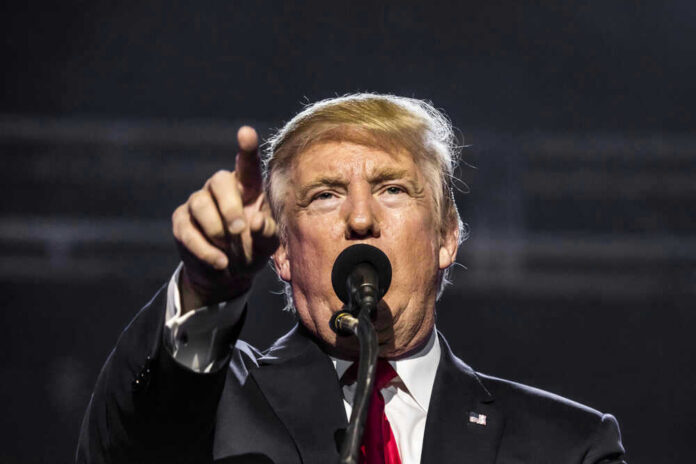
President Donald Trump joined a chorus of outrage following the snub, publicly demanding the Hall of Fame overturn its decision and recognize Belichick’s undeniable greatness. Tom Brady, who won six titles alongside Belichick, called the outcome “completely ridiculous” during a radio interview days after the announcement.
Patriots owner Robert Kraft, despite a fractured relationship with Belichick following their 2024 split, defended his former coach’s Hall credentials.
The backlash reflects widespread frustration with institutions prioritizing subjective grievances over measurable excellence. When even political rivals and estranged colleagues unite in defense of a snubbed legend, it exposes how badly the committee misjudged public sentiment and objective standards.
Old Scandals Weaponized by Secret Voters
Anonymous voters reportedly held Spygate and Deflategate against Belichick during deliberations, treating NFL scandals from 2007 and 2015 as disqualifying despite league-imposed punishments at the time. Spygate resulted in a $500,000 personal fine for Belichick and lost draft picks; Deflategate penalties targeted the team and Brady under Commissioner Roger Goodell’s jurisdiction.
Both controversies were adjudicated years ago, yet committee members resurrected them as justification for what some insiders called “penance.” Former voter Bill Polian, a longtime Belichick rival from his Buffalo Bills and Indianapolis Colts tenures, claimed shock at the outcome but acknowledged hearing penance arguments floated.
This retroactive punishment for settled matters contradicts principles of fairness and double jeopardy, revealing how personal biases infect supposedly merit-based selections.
Opaque Process Protects Petty Grudges
The Hall maintains strict secrecy around individual votes, preventing public scrutiny of who denied Belichick and why. CBS Sports analysts labeled the snub an “embarrassment” demanding immediate reform, including publishing voter names to ensure accountability.
At least 11 committee members voted against Belichick, yet their identities and reasoning remain hidden, shielding them from consequences for prioritizing scandal narratives over historic achievement.
Veteran journalist Peter King expressed surprise at the result, while sources close to Belichick reported he viewed the decision as “politics” rather than accomplishment-based evaluation.
The opacity enables power trips by individuals nursing old grudges—such as coaches from rival teams Belichick dominated for decades—without facing professional or reputational costs for undermining the institution’s credibility.
Hall Risks Credibility and Revenue Backlash
Canton, Ohio’s Hall of Fame complex invested tens of millions in expansions over recent years, building a stadium, theme park, and event spaces to become a year-round destination reliant on football fans’ reverence for the institution.
This snub threatens that business model, with social media users declaring “no need to visit Canton” and questioning whether the Hall remains football’s “highest honor” or just another political battleground.
Short-term damage includes reputational harm among Patriots supporters and NFL communities; long-term risks involve Belichick potentially declining induction if offered next year, setting precedent for rejected legends to boycott the institution.
The decision also invites comparisons to baseball’s Barry Bonds steroid hypocrisy and basketball’s delayed recognitions, eroding the Hall’s distinctiveness. If voters continue prioritizing scandal revisionism over championships, the Hall may lose its claim as football’s ultimate meritocracy.
Reform Demands Gain Momentum Amid Outrage
Public backlash is driving calls for systemic voting reforms, including transparent voter lists and elimination of anonymous balloting that enables unaccountable bias. No formal mechanism exists to overturn the 2026 decision, but pressure from Trump, Brady, and NFL communities may force the Hall to reconsider its governance structure before credibility erodes further.
The full Class of 2026 will be unveiled at NFL Honors on February 5 in San Francisco, but Belichick’s absence from that stage has already overshadowed other inductees. His eligibility continues next year, yet the stain of first-ballot rejection remains permanent regardless of eventual induction.
For conservatives frustrated with institutions prioritizing narratives over results—whether in sports, media, or government—this controversy exemplifies how unaccountable gatekeepers undermine merit-based standards, proving that even legendary accomplishments can’t overcome entrenched bias when voters operate in darkness.
Sources:
CBS Sports – Bill Belichick Hall of Fame Snub
ESPN – Belichick Not First Ballot Hall of Famer
NESN – Tom Brady Rips Bill Belichick’s Hall of Fame Snub