
The most telling pressure campaign isn’t a speech or a sanction—it’s a radar track that keeps reappearing 40 miles from Havana.
Quick Take
- Public flight-tracking data shows at least 25 U.S. reconnaissance missions off Cuba since Feb. 4, 2026, a sharp change from prior patterns.
- Aircraft types matter: the P-8A Poseidon hunts maritime activity, the RC-135V Rivet Joint vacuums up signals, and the MQ-4C Triton watches wide areas for long stretches.
- The surge aligns with President Trump’s renewed hard-line messaging, an announcement of an oil blockade, and increased sanctions pressure.
- The Pentagon frames flights as routine and legal in international airspace, while Havana treats them as deliberate intimidation.
The Flight Surge Is Visible on Purpose, and That Changes the Message
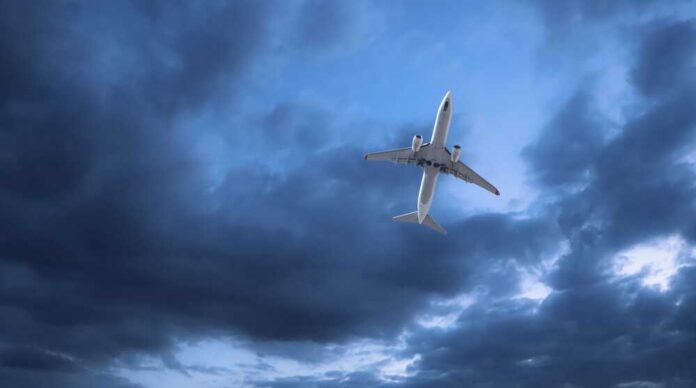
Reconnaissance missions off Cuba’s coast surged beginning Feb. 4, 2026, with public tracking data showing at least 25 U.S. Navy and Air Force flights by early May. That visibility is the point.
When a Rivet Joint or Poseidon shows up on open-source trackers, Washington isn’t just collecting intelligence—it’s broadcasting capability and attention. A covert mission gathers secrets; a trackable mission also sends a warning, especially when it hugs the island within roughly 40 miles.
Flight patterns create a rhythm that policymakers recognize: repetition, proximity, and platform selection. A P-8A Poseidon signals maritime focus—shipping, submarines, and coastal activity.
An RC-135V signals a hunger for communications and radar emissions, the kind of data you collect before you tighten a blockade, plan counter-smuggling, or map air defense habits.
An MQ-4C Triton signals persistence. That mix reads less like a joyride and more like deliberate preparation, or at minimum, deliberate leverage.
Trump’s Hard-Line Signals and the Oil Blockade Set the Timing
The timing aligns with politics that even casual observers can understand. In January 2026, Trump amplified “free Havana” talk, then moved to choke off energy with an announced oil blockade targeting shipments to Cuba. Flights began spiking shortly after.
A pressure campaign needs a soundtrack, and surveillance provides it: an audible hum over the horizon that tells Havana, Moscow, Beijing, and Miami that the White House wants the standoff to feel immediate, not abstract.
U.S. military intelligence-gathering flights have surged off Cuba's coast in recent months, with at least 25 such missions tracked since Feb. 4, according to an analysis of publicly available aviation data. https://t.co/Kob1N5gnWm
— NEWSMAX (@NEWSMAX) May 11, 2026
That sequencing also helps explain why the U.S. would accept the criticism that comes with operating so close to Cuba. Flights in international airspace are legal, but legality doesn’t eliminate provocation.
Washington appears to be embracing the provocation because it reinforces a strategic story: Cuba sits 90 miles from Florida, remains aligned with adversaries, and cannot expect a quiet perimeter. Trump’s approach, consistent with maximum-pressure instincts, favors unmistakable signals over private diplomacy.
What These Aircraft Collect, and Why Havana Cares
Platform choice reveals objectives. The RC-135V Rivet Joint specializes in signals intelligence: communications links, radar characteristics, and electronic patterns that describe how a military “breathes” day to day.
If Cuba adjusts air defense radars, scrambles aircraft, or coordinates coastal surveillance, those reactions can become the product.
The P-8A Poseidon adds another layer by surveying maritime routes and potential shipments that keep Cuba’s security services and economy afloat under sanctions pressure.
Cuba’s government predictably brands these missions as Yankee provocation, but the practical concern runs deeper than rhetoric. A state that depends on control—of information, movement, and fuel—hates persistent observation.
Surveillance chips away at the comfort of secrecy, especially when Cuba also maintains ties with Russia and China. If foreign advisers, ships, or specialized equipment flow through Cuban ports, maritime patrol and high-altitude coverage increase the odds that Washington detects patterns, documents them, and uses them to justify the next policy step.
Historical Echoes: When Spy Flights Precede Something Else
Surveillance spikes rarely prove intent on their own, but history shows why analysts get uneasy. Similar increases in reconnaissance activity appeared before U.S. pressure escalations in other hotspots, including episodes involving Venezuela and Iran.
In the Cold War, U-2 flights over and near Cuba became part of the lead-up to the most dangerous kind of confrontation—one driven by misreading and pride as much as by capability. Modern aircraft are different, but the logic of signaling and counter-signaling remains.
The open-source nature of today’s tracking changes the audience. Havana sees the missions, but so do Cuban citizens, Florida voters, and foreign governments scanning for clues about Washington’s next move. That transparency can deter, but it can also corner leaders into overreacting for domestic optics.
What Comes Next: Pressure Without a Clear Off-Ramp Creates Real Risk
Several outcomes fit the facts without jumping into speculation. The U.S. can keep flying and call it routine, using the missions to refine situational awareness while sanctions and an oil blockade squeeze the regime.
Cuba can protest and adapt, possibly leaning more heavily on its relationships with Russia or China for economic and security support. Florida could feel secondary effects through migration pressure if energy shortages and economic contraction intensify, and U.S. taxpayers absorb the ongoing costs of sustained operations.
Surveillance supports strength by underwriting deterrence and protecting Americans from threats close to home. It undermines strength when it becomes a habit that invites accident—an intercept gone wrong, a miscalculated response, or a blockade enforcement episode that escalates faster than diplomats can unwind.
READ NOW: US Spy Flights Surge off Cuban Coast — U.S. military intelligence-gathering flights have surged off Cuba's coast in recent months, with at least 25 such missions tracked since Feb. 4, according to a new report of publicly available…https://t.co/ANj82yCkj5
— Top News by CPAC (@TopNewsbyCPAC) May 10, 2026
Publicly trackable reconnaissance off Cuba sends a message that Washington wants heard. The open loop is whether that message ends up as a negotiating advantage or as momentum that nobody can easily stop once the flights become the new normal.
Sources:
US ramps up Cuba surveillance as Trump signals hard-line stance
US-Intensifies-Intelligence-Gathering-Off-Cuba-Report