
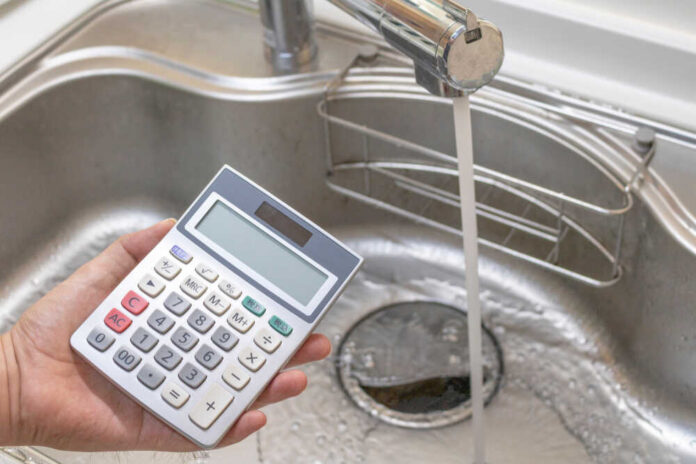
Your water bill now demands 11.5 hours of minimum-wage work each month, a silent tax surging twice as fast as everyday inflation.
Story Highlights
- U.S. household water and sewer bills hit five-year high in 2025 with 5.1% rise, totaling 24.2% increase since 2020.
- Water rates jumped 6.0% versus 4.8% for wastewater, driven by chemicals, energy, labor, and aging pipes from the 1900s.
- Costs outpaced inflation by double digits; Northeast bills average $147 monthly, West $143.
- Low-income families suffer most, spending higher income shares amid Midwest droughts and infrastructure crises.
- Since 2000, water costs soared 207% against 93% CPI inflation, with Bipartisan Infrastructure Law funds expiring in 2026.
2025 Rate Surge Hits Record Levels
Bluefield Research tracked bills across 50 U.S. cities, revealing the steepest annual jump in five years at 5.1%. Households faced this increase despite general inflation lagging behind.
Water rates climbed 6.0% due to supply challenges, while wastewater rates rose 4.8% due to treatment demands. Cumulative gains reached 24.2% since 2020, pressuring family budgets nationwide.
Water costs are rising faster than inflation — and sending bills soaring https://t.co/iCJGRtD5j6
— Leroy James Essel (@EsselLeroy) May 13, 2026
Aging Pipes Force Utility Cost Explosions
Utilities like Baltimore endured 22% higher chemical prices, Oklahoma City absorbed 85% electricity surges, and Houston tied hikes to CPI. Construction bids rose 14% across operations.
The early 1900s infrastructure crumbled under deferred maintenance, population growth, and regulations. The Bank of America Institute noted 7.1% median increases, blaming ancient systems and the 2024 droughts.
Midwest regions saw above-average hikes for two consecutive years due to infrastructure decay and Q3 2024 drought peaks. Mid-Atlantic states like New York, New Jersey, and Pennsylvania saw rates explode beyond national trends. Los Angeles County bills surged nearly 60% over the decade, mirroring national patterns but amplifying local pain.
Households Bear the Brunt of Escalating Bills
Average bills equated to 11.5 hours of minimum-wage labor, hitting low-income families hardest, as they devoted a larger share of their income. Higher-income households with bigger properties paid 6% more year-over-year, yet felt less squeezed proportionally. Rural areas risked service disruptions without upgrades. Since 2000, water, sewer, and trash costs have ballooned by 207%, while inflation has risen by only 93%.
Experts like Bluefield’s Megan Bondar warned of no reversal in the upward path. NRDC’s Erik Olson labeled infrastructure “ancient,” demanding investments beyond the expiring Bipartisan Infrastructure Law’s $30 billion.
UCLA researchers projected a 20-year worsening, urging political action to protect affordability.
Water costs are rising faster than inflation — and sending bills soaring
The cost of water and related services is rising twice as fast as inflation while utilities scramble to cope with escalating droughts and more intense storms.https://t.co/6aCBvYeCFL
— WATER SYSTEM NEWS 💧💩 (@WaterSystemNews) May 13, 2026
Federal Funding Cliff Looms in 2026
Bipartisan Infrastructure Law allocations end this year without renewal, leaving utilities to pass more costs on to customers and it demands efficiency from operators before endless rate hikes burden taxpayers.
Sources:
Why water bills have been rising at twice the rate of inflation
Why Are U.S. Water and Sewer Bills Rising Faster Than Inflation?
L.A. County Water Bills Rising Faster Than Inflation, UCLA Luskin Center for Innovation Finds
Study Shows Increasing Cost of Water