

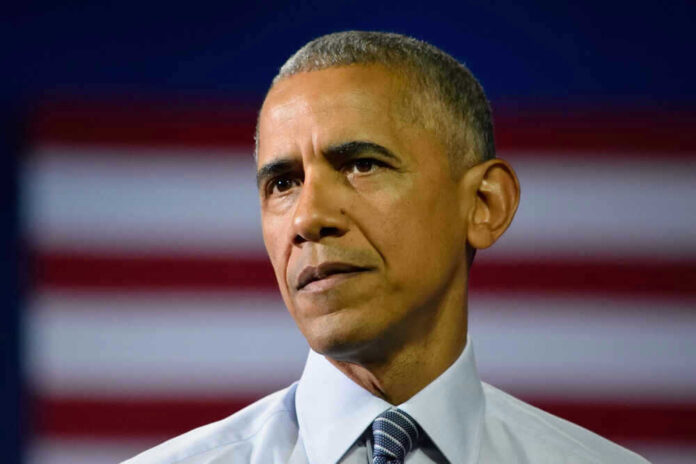
In an explosive revelation that could reshape political history, Director of National Intelligence Tulsi Gabbard alleges a “treasonous conspiracy” led by the Obama administration against President Donald Trump.
At a Glance
- Tulsi Gabbard released over 100 documents alleging a conspiracy against Trump.
- Gabbard claims Obama directed intelligence agencies to fabricate Russian interference claims.
- The DOJ is under pressure to investigate and possibly prosecute former Obama officials.
- The allegations could have significant political and institutional repercussions.
Obama Administration Accusations
On July 18, 2025, Tulsi Gabbard released a trove of declassified documents, shedding light on an alleged conspiracy orchestrated by the Obama administration.
According to Gabbard, this secret meeting in 2016 aimed to undermine then-candidate Donald Trump by fabricating intelligence on Russian election interference.
The accusations, which Gabbard describes as a “years-long coup,” suggest that top officials, including Obama, weaponized intelligence agencies against a political opponent.
Such claims, if verified, would mark a profound breach of public trust and an unprecedented attack on democratic processes.
The Trump administration, long vocal about its belief in a “deep state” conspiracy, has found new ammunition in Gabbard’s revelations.
The narrative that intelligence and law enforcement were politicized to target Trump resonates deeply with many conservative supporters, who have viewed past investigations like Mueller’s as politically motivated witch hunts.
The release of these documents adds fuel to an already fiery debate over the legitimacy of the 2016 election and the subsequent investigations that plagued Trump’s presidency.
Pressure on the Department of Justice
With the declassification of these documents, the Department of Justice faces mounting pressure to take decisive action. Gabbard has called for thorough investigations and prosecutions of those involved, including former President Obama and his senior national security team.
The DOJ, however, remains tight-lipped, declining to comment on the potential prosecutions or the veracity of the documents. This silence has left the public and political analysts speculating about the DOJ’s next move and the possible repercussions of any legal action.
As the DOJ reviews the documents, the political climate intensifies. Calls for accountability are growing louder, with Gabbard stating, “Their egregious abuse of power and blatant rejection of our Constitution threatens the very foundation and integrity of our democratic republic.”
While these sentiments echo deeply among Trump’s supporters, critics caution against jumping to conclusions without independent verification of the documents and claims.
Impact on Political and Public Trust
The ramifications of these allegations are far-reaching, with the potential to further polarize an already divided nation. If proven true, the allegations could set a dangerous precedent for criminalizing actions of previous administrations, raising concerns about the politicization of justice.
Trust in intelligence and law enforcement agencies, already shaky due to past controversies, hangs in the balance. The American public, weary from years of political skirmishes, faces the risk of increased cynicism and distrust toward government institutions.
Political instability stemming from these revelations could affect not just domestic policy but also international perceptions of U.S. governance. Markets may react unpredictably to the uncertainty, while the broader political sector grapples with the challenge of restoring faith in democratic processes.
As the DOJ’s review progresses, all eyes are on the unfolding drama, with potential for major legal, political, and institutional consequences that will shape the future of American politics.