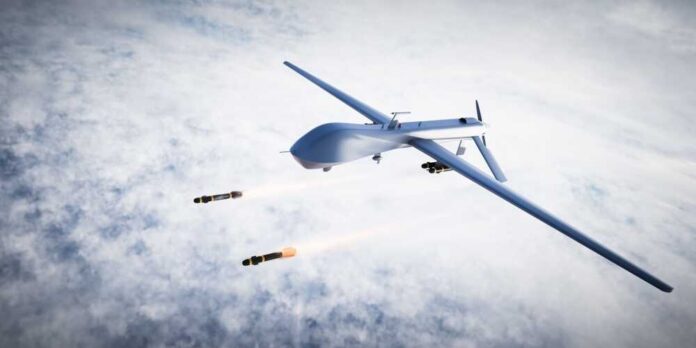
Iran’s retaliatory drone strikes ignite UAE gas fields and sink tankers in the Strait of Hormuz, threatening America’s energy security and global prices under President Trump’s leadership.
Story Highlights
- Iran accuses UAE of hosting US strikes on its oil terminal, vowing symmetric attacks on Gulf energy assets.
- UAE-registered tanker Athena Nova struck by drones near Hormuz; Dubai infrastructure hit, wounding four.
- Oil prices surge as Qatar halts LNG exports and Saudi refineries shut down amid disrupted shipping lanes.
- President Trump’s administration faces tests from Iranian escalation, exploiting US bases in allied Gulf states.
Escalation Triggers US-Iran War
On February 28, 2026, US-Israeli joint strikes killed Iran’s Supreme Leader Ali Khamenei and targeted Tehran, killing over 1,300 civilians. Iran responded March 1-2 with missiles and drones on US and Israeli assets.
Iran’s Foreign Minister Seyed Abbas Araghchi accused the US of launching attacks on Kharg Island oil terminal from UAE sites in Ras Al-Khaimah and near Dubai. He vowed retaliation against US-linked energy facilities in the region. Iran’s military backed threats to destroy such infrastructure.
Iran targets UAE energy infrastructure as gas field set ablaze, tanker struck near Strait of Hormuz https://t.co/y52BJ4n968
— CNBC (@CNBC) March 17, 2026
Iran Targets UAE and Gulf Energy Hubs
Drones struck the UAE-registered tanker Athena Nova near the Strait of Hormuz on March 2, part of broader assaults on Ras Tanura in Saudi Arabia and Ras Laffan in Qatar. Additional drones hit near Dubai International Airport, wounding four people, with a blaze reported at a Dubai apartment tower.
No confirmed UAE gas field blaze occurred, though ports and data centers faced impacts. Iran framed these as responses to attacks on its energy assets, escalating from military to economic warfare.
By March 2 and beyond, Iran widened strikes to Bahrain, Saudi, and UAE ports, with Oman fuel tanks ablaze. IRGC claimed partial closure of Hormuz, a chokepoint for 20% of global oil. Qatar declared force majeure on LNG exports; Saudi refinery units shut down.
The International Energy Agency released 400 million barrels of oil to offset shortages. Gulf states intercepted many projectiles amid US threats against Iranian oil facilities.
Stakes for US Allies and Global Markets
UAE balances US alliance with Iran trade but denies aiding strikes. Saudi Arabia and Qatar, key US partners, stabilize markets yet suffer direct hits, undermining their reliability. President Trump’s bases in these nations expose hosts to Iranian coercion.
Short-term impacts include soaring oil prices, LNG shocks, production halts in Qatar and Israel’s Leviathan field, and shipping fears. Long-term risks involve global energy crisis, inflation spikes, and supply chain disruptions.
Civilians face blazes and intercepts; firms like Aramco, QatarEnergy, and Chevron report losses. Social fallout includes environmental damage and Gulf media blackouts. Iran’s asymmetric drones fracture US coalitions by raising war costs for allies.
President Trump’s aggressive posture post-2024 election now confronts this retaliation, testing limited government resolve against globalist energy dependencies.
Iran targets UAE energy infrastructure as gas field set ablaze, tanker struck near Strait of Hormuzhttps://t.co/2TNJyPbSzn
— IHSG Journal 🍀🌞 (@aldotjahjadi8) March 17, 2026
Expert views diverge: Soufan Center calls Iranian strikes deliberate escalation via Hormuz vulnerabilities. Amnesty International urges all sides to halt unlawful infrastructure attacks risking civilians. UN and Bahrain label Iran’s acts egregious threats to global trade. BBC analysts note IEA’s massive oil release signals crisis depth. Iran claims defense; the West views pure aggression.
Sources:
Global Times: Iran accuses US of strikes from UAE, vows retaliation
Soufan Center: Intel on Iranian energy strikes
Amnesty International: Cease unlawful attacks on energy infrastructure
WTOP: Iran keeps up pressure on oil infrastructure
Euronews: Iran continues strikes on Gulf states