

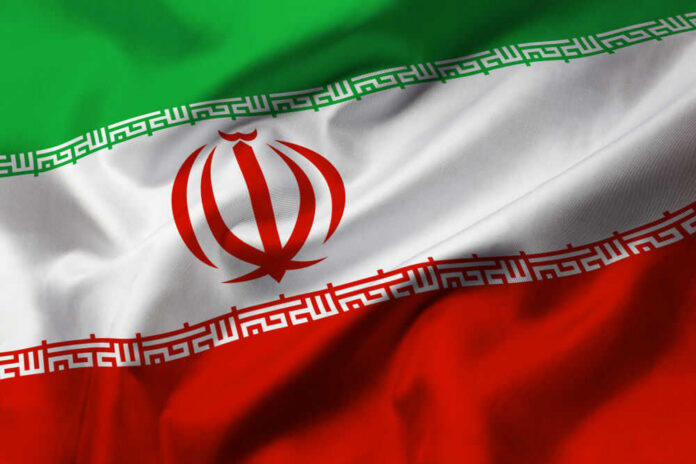
Iran’s decision to rain missiles and drones not only on Israel but across the Gulf has turned America’s forward bases and global energy lanes into a live-fire pressure point.
At a Glance
- Iran launched repeated missile and drone barrages at Israel and multiple Gulf states as the U.S. warned of the “most intense day” of strikes.
- Reports described nine Iranian barrages toward Israel between March 8 and March 9, including strikes involving cluster munition warheads that hit several locations and caused civilian casualties.
- Gulf infrastructure and facilities were also targeted, with incidents reported near airports, oil facilities, and other strategic sites across the region.
- The conflict unfolded amid a U.S.-Israeli air campaign—described as “Operation Epic Fury”—aimed at degrading Iranian air defenses and missile capabilities.
Iran Expands the Battlefield From Israel to the Gulf
Iran’s latest wave of barrages has been notable less for symbolism and more for geography. Reporting described sustained missile and drone attacks toward Israel alongside strikes across Gulf states that host U.S. forces and critical infrastructure.
Analysts characterized the Gulf-wide scope as unusual, touching every GCC state in some form and testing the assumption that distance and diplomacy can insulate regional partners from the blowback of great-power conflict.
🚨JUST IN: Secretary of War Pete Hegseth just said today will be the US military's MOST intense day of strikes against Iran:
"Today will be yet again our most intense day of strikes inside Iran. The most fighters, the most bombers, the most strikes. Intelligence more refined and… pic.twitter.com/6ViXqsBKnx
— Morse Report (@MorseReport) March 10, 2026
Events from March 8 to March 10 showed a tempo designed to exhaust defenses and complicate decision-making. Reports described nine barrages toward Israel within a 24-hour window, followed by additional launches and drone activity aimed at Saudi Arabia and Kuwait.
The same coverage emphasized that the attacks landed amid an escalating U.S.-Israeli strike campaign, meaning each volley functions both as retaliation and as an attempt to deter further pressure.
What “Operation Epic Fury” Signals About U.S. Objectives
U.S. and Israeli operations were described as targeting Iranian air defenses, ballistic missile sites, IRGC bases, and leadership-linked facilities, enabling greater freedom of action over western Iran. The U.S. message about an approaching “most intense day” of strikes pointed to a strategy of compounding pressure rather than symbolic, one-off retaliation.
President Trump also signaled interest in ending the “excursion” quickly, creating a visible tension between rapid closure and battlefield realities.
That tension matters because Iran’s behavior suggests it is trying to widen costs for America’s partners—especially states hosting U.S. bases. Reports referenced incidents affecting airports, refineries, and oil fields, and noted disruptions tied to Gulf energy operations.
For U.S. voters who are tired of endless overseas entanglements, the key question is whether overwhelming force can shorten the timeline without allowing Tehran to keep escalating through volume attacks and regional proxies.
Cluster Munitions, Civilian Risk, and the Limits of “Iron Dome Thinking”
Reporting cited injuries and at least one Israeli civilian death connected to the barrages, including cluster munition warheads impacting multiple locations. Cluster weapons, by design, raise the risk of wider-area harm when used near populated areas.
The operational intent appears to be maximizing psychological and societal strain, not just military impact. Even where missile defense works, repeated alerts, debris, and localized hits can grind down civilian resilience.
For Americans watching from home, the strategic warning is simple: missile defense is not a substitute for deterrence. Repeated launches toward Israel and the Gulf show that a regime can accept high interception rates if it believes the political and economic costs still add up.
The U.S. Constitution vests war powers in a system built for accountability; sustained operations overseas should remain anchored to clear objectives, defined authorities, and an exit plan the public can evaluate.
Hezbollah, Lebanon, and the Risk of a Wider Regional Spiral
Parallel to Iran’s launches, reporting described Hezbollah rocket, mortar, and drone attacks on Israel and Israeli operations striking Hezbollah infrastructure and financing networks. Coverage also referenced large-scale displacement inside Lebanon and extensive Israeli strikes there.
This matters because proxy activity can keep a conflict alive even when a central state’s capabilities are degraded. It also raises the odds of miscalculation—especially when multiple fronts run hot at once.
The Gulf dimension adds another accelerant. Reports described attempts affecting the Strait of Hormuz and incidents at sea, alongside damage and shutdowns impacting energy infrastructure.
When shipping lanes and oil processing sites become targets, the economic ripple reaches Americans fast—through prices and market volatility. Limited public details remain on precise casualty counts and full damage assessments in some Gulf locations, but the trend line is unmistakable: more targets, more risk.
Sources:
Iran Update, Evening Special Report (March 9, 2026) – Critical Threats
Middle East Special Issue (March 2026) – ACLED
IntelBrief (March 7, 2026) – The Soufan Center
Iran Update, Evening Special Report (March 9, 2026) – Institute for the Study of War