

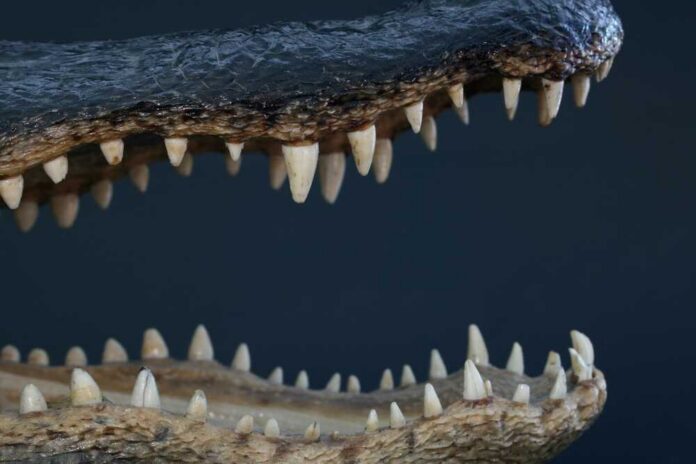
The most dangerous thing about Florida alligators is not their bite, but how normal the risk now feels.
Story Snapshot
- A Florida woman died and two others were hurt in recent alligator attacks on rivers and trails.
- Officials keep stressing that serious attacks are rare, yet the warnings sound more urgent every summer.
- Most victims are near the water’s edge, often in shallow water where they think they are safe.
- Real safety now rests on one thing: treating every freshwater shoreline in Florida like it holds a hidden predator.
Florida’s new normal: deadly wildlife in everyday places
The latest fatal attack did not happen deep in a swamp. It happened on a central Florida lake where a woman was canoeing with her husband, near the mouth of Tiger Creek into Lake Kissimmee, south of Orlando. She ended up in the water, and an alligator killed her before rescuers could reach her.
Officials say serious injuries from alligators are uncommon, yet this lake already saw another attack on a paddler earlier in the year.[1]
On a hiking trail in Collier County, a woman walked near the water at Bird Rookery Swamp. An alligator came out, bit her arm and leg, and sent her to the hospital. Signs warning about alligators were posted along the trail. The hazard was not hidden at all.
That collision of “clear warning” and “real injury” is what makes these cases hard. The message is on the sign, but it does not fully register until teeth are involved.[2][8]
How rare risk turns deadly when people forget the rules
State numbers tell a calm story at first glance. Since 1948, Florida has logged under 500 unprovoked alligator bites, with only a few dozen fatal cases. That works out to just a handful of serious attacks each year in a state of more than 22 million people.
One analysis pegs the chance of a resident being seriously hurt in an unprovoked attack at roughly one in 3.1 million. Officials repeat “rare but real” so often it almost sounds like a slogan.[8][10]
13-foot alligator captured after woman dies in attack in Central Florida https://t.co/qHResSbNSb
— WWL-TV (@WWLTV) June 29, 2026
The patterns behind those numbers matter more than the odds. Most victims are within about ten feet of the water’s edge when the alligator strikes. Large males over ten feet long cause most serious injuries.
Many attacks happen in late spring and summer, when mating season, warm water, and heavy human use line up. In other words, the risk spikes right when families are on boats, kids wade near shore, and hikers cool off in creeks that “look fine.”[5][10][12]
What the state tells you to do around alligators
The Florida Fish and Wildlife Conservation Commission does not mince words. Stay back if you see an alligator. Keep pets on a leash and away from the water’s edge because they look like natural prey. Swim only in posted swimming areas, in daylight, and without your pet.
Officials repeat that alligators are most active between dusk and dawn, when the water looks peaceful but the animals are hunting. They also run a nuisance alligator hotline and program to remove animals that threaten people.[1][3][5][8]
Feeding alligators is illegal under state law, not just rude to nature. When people toss scraps or bait wildlife for fun, alligators learn to link humans with easy food. That kills the animal’s natural fear of people and turns it into a bold predator near yards, docks, and walking paths.
Then the same folks who thought tossing food was harmless demand that trappers kill the “problem” animal.
Personal responsibility versus the blame-the-sign instinct
Every time a fatal wildlife attack hits the news, the same argument flares up. One side asks why there were not more signs, barriers, or closures. The other side points to years of clear safety advice and says, in effect, “You knew the water had alligators. Why did you put your family or dog at the edge of it?”
In Florida, officials flatly say they cannot close or fence every freshwater spot in all sixty seven counties. The habitat is too wide and too natural to turn into a theme park.[3][8][10]
From a common-sense view, the balance is clear. The state’s job is to publish honest risk data, mark truly high-risk areas, and remove animals that are proven threats. Your job is to act like those warnings are real, not background noise.
That means keeping kids and pets away from murky edges, skipping that dusk swim in a river, and calling the nuisance hotline before an eleven-foot reptile becomes a headline. Freedom to enjoy nature includes the duty to survive it.[5][8][10]
Sources:
[1] Web – Florida alligator attacks leave woman dead, 2 others injured, …
[2] Web – What You Need to Know About Alligators Before Hiking or Paddling …
[3] Web – Alligator Safety – Visit Gainesville
[5] YouTube – Deadly wildlife encounters spark safety warnings ahead of July 4th
[8] Web – Alligators in Florida and safety precautions – Facebook
[10] Web – 31 year old woman killed in alligator attack on the econlockhatchee …
[12] Web – Hiker Safety – Florida Trail Association