

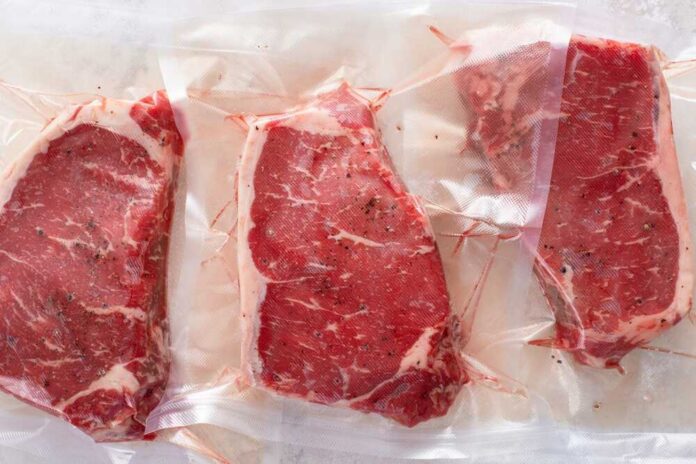
Tyson Foods is shrinking its beef network because America’s cattle herd hit a 75-year low and the squeeze is not ending soon.
At a Glance
- Tyson will close beef plants in Illinois and Utah and seek a sale in Washington.
- The company cites a historic cattle shortage and limited heifer retention as key drivers.
- Beef margins turned negative as cattle costs jumped and volumes fell.
- Industry analysts expect tight supplies into 2027, keeping pressure on prices.
Tyson restructures around a tighter cattle supply
Tyson Foods announced a major reset of its beef business on August 13, 2026. The company will end operations at its Joslin, Illinois beef plant and its Eagle Mountain, Utah case-ready site, and will pursue the sale of its Pasco, Washington beef plant.
Tyson said it will anchor beef operations around facilities in Nebraska, Kansas, and Texas to match today’s smaller cattle herd and cut fixed costs. The company framed the moves as necessary amid one of the most historic cattle shortages on record.
Tyson tied the decision to United States Department of Agriculture data that shows weak heifer retention. That detail matters. If ranchers keep fewer young females for breeding, the national herd cannot rebound fast.
Tyson warned that this supply constraint will persist, meaning packers will fight over fewer animals. Fewer cattle also means plants run under capacity and lose money on each head unless they reset their footprint to match the cycle.
What the cattle cycle is doing to plants and prices
Beef packers buy cattle, then sell boxed beef. When cattle get scarce, the price of live animals climbs faster than packers can raise beef prices. That crushes margins.
Tyson’s beef segment posted a quarterly operating loss of $138 million as volumes fell almost 16 percent and prices rose about 12 percent, showing price hikes could not offset the shortfall and higher costs. Executives and analysts say tight supplies will likely run into 2027, so pressure on plants and shoppers will stay high.
The impact reaches your dinner plate. A smaller herd means fewer cattle headed to feedlots and slaughter. With less beef produced, grocery prices drift higher, and sales shift to other proteins.
Shoppers trim ribeyes and brisket, then buy more chicken or pork. That shift shows up in Tyson’s broader results, which have leaned more on its chicken business while beef lags in this part of the cycle.
Why this reset follows a familiar playbook
Meatpacking is a scale game with thin margins. When cattle numbers fall, plants run half-empty. Fixed costs do not shrink on their own. Companies then close or idle sites and route more cattle to a few, better-located plants.
Tyson already closed a major beef plant in Lexington, Nebraska, and trimmed shifts in Amarillo, Texas. Now it is consolidating again around central United States hubs to keep lines fuller and cut waste—classic steps for this industry’s down-cycle.
Other packers have made similar moves when herds shrink. The shift does not signal the end of beef. It signals a phase of the cycle. Ranchers will rebuild herds only when pasture and profits improve. That takes time.
Drought in key states burned pastures and hay acres, slowing heifer retention and deepening the shortfall. Rebuilding a herd is slow biology, not quick finance. That is why relief will lag consumer pain by years.
Jobs, towns, and the conservative test: facts over wishful thinking
Closures hit workers and towns hard. Many jobs at plants and supplier firms will be under stress as operations wind down. That is the painful side of capacity matching. Yet keeping an underused plant open burns cash, weakens the company, and risks more jobs later.
Tyson Foods Restructures Beef Operations Amid Historic Cattle Shortage
Tyson Foods, the largest U.S. meatpacker, announced on August 13, 2026, that it will close two beef facilities and pursue the sale of a third as it scales back its processing footprint in response to one of…
— JimWooddell 🦌🥩 (@wooddell_jim) August 16, 2026
What should shoppers and small businesses do now? Expect beef to stay pricey and sometimes scarce. Restaurants may tweak menus or portion sizes. Households can watch for specials and try value cuts like chuck, sirloin tip, and round.
Ranchers who survived the drought could see better prices ahead, but they cannot expand fast. The likely path forward is steady consolidation, slow herd rebuild, and a cautious return to balance in a few years, not a few months.
Sources:
foxbusiness.com, tysonfoods.com, usatoday.com, finance.yahoo.com, fool.com, nytimes.com, axios.com, investing.com, reuters.com