President Trump withdrew Lance Schroyer’s nomination to lead Immigration and Customs Enforcement, snapping a three-month push to seat a permanent chief at a pivotal agency.
Story Snapshot
- The White House pulled Schroyer’s nomination with no public reason given.
- Senator Rand Paul stalled hearings while seeking details on agent-involved shootings in Minneapolis.
- Immigration and Customs Enforcement will keep operating without a Senate-confirmed director, a yearslong trend.
- Backers touted Schroyer’s 29 years in law enforcement and border focus.
What the withdrawal means for Immigration and Customs Enforcement now
The withdrawal means Immigration and Customs Enforcement stays under acting leadership during active enforcement drives. That matters for chain of command and long-term planning. A confirmed director can set direction with firmer backing from Congress.
Acting leaders can run the shop, but they often avoid major shifts. That can slow policy moves on detention capacity, deportation priorities, and data sharing with local law enforcement. Agencies that carry out tough missions work best when the boss is locked in by the Senate.
Trump yanks ICE pick after fears of Republican resistance in latest DHS shake-up https://t.co/gubL7lVY39
— Daily Mail (@DailyMail) September 17, 2026
Immigration and Customs Enforcement has gone long stretches without a Senate-confirmed chief. That pattern crosses parties and presidents. The job sits at the center of border, crime, and civil liberties fights. Each side wants leverage.
The Senate uses process tools to press for oversight or concessions. The result is frequent acting leadership and fewer permanent decisions. The latest turn keeps that pattern alive and raises the odds of more short-term fixes instead of durable plans.
How the nomination jammed in the Senate
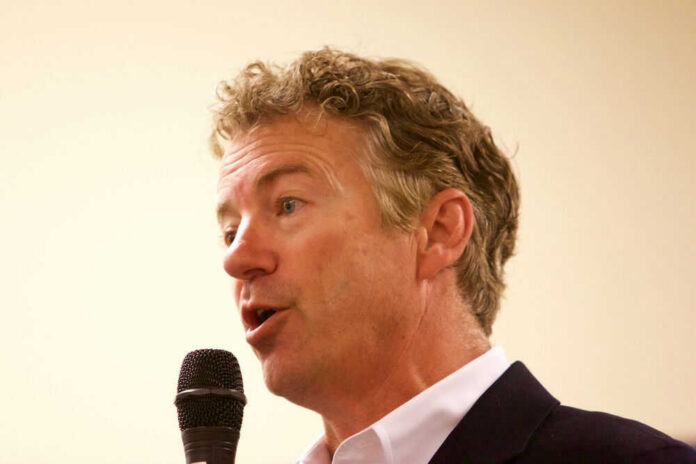
Senator Rand Paul, who chairs the Homeland Security panel, held up a hearing until the administration shared more information about federal agents’ shootings that killed two Americans in Minneapolis in January.
Paul’s office said he did not oppose Schroyer himself; he wanted updates on the internal probe before moving forward. That request created a procedural roadblock. The White House then withdrew the nomination rather than wait out the hold and a grinding committee schedule.
A “hold” is not a formal rule, but it is real leverage. Any senator can ask leaders to stall action on a nominee. Leaders often honor holds to manage floor time and avoid intra-party fights. Holds can sink even qualified picks.
They force agencies to run with acting heads, which can be fine in calm times but risky during heavy operations. This is the Senate’s way to demand answers before granting consent on a sensitive security post.
Why supporters thought Schroyer fit the job
Supporters pointed to Schroyer’s 29 years in law enforcement and his background as an Oklahoma state trooper. The White House framed him as ready to detain and deport criminals who entered the country illegally, which matches the administration’s focus on public safety and border control.
That résumé speaks to command presence, field respect, and a no-nonsense approach to removals. For a mission-heavy agency that must coordinate with sheriffs and police, those traits can move the needle.
White House Withdraws Lance Schroyer’s Nomination to Lead ICE
The White House abruptly withdrew President Donald Trump’s nominee to lead Immigration and Customs Enforcement, leaving the agency at the center of his immigration agenda without a Senate-confirmed director.
An…
— 🇺🇸⭐️OUR-VOICES⭐️🇺🇸 (@iswho) September 19, 2026
Critics did not mount a broad, public case against his qualifications. The friction centered on oversight and transparency around the Minneapolis shootings probe. From a rule-of-law lens, this split is notable. One Republican demanded investigative clarity.
The White House prioritized speed on a key security post. Both aims can be valid. The clash shows how process, not only policy, can define who gets the badge—and how fast the nation gets results.
What to watch next: leadership, policy pace, and Senate math
Expect the Department of Homeland Security to rely on an acting Immigration and Customs Enforcement director while it preps a new nominee. The next pick will need a path through the same committee and floor hurdles.
Clear, prompt responses on ongoing probes can shorten that path. A nominee with strong law-enforcement credibility and a clean vetting record can still gain traction. But without early buy-in from key senators, the clock will again beat the résumé.
Sources:
npr.org, politico.com, reuters.com, washingtonpost.com, abcnews.com, nbcnews.com, govexec.com, aljazeera.com