
An experienced American climber summited Mount Makalu only to plummet 400 meters in a sudden avalanche, dying from hypothermia despite desperate rescuers racing against the clock.
Story Snapshot
- Shelley Johannesen, 53, and partner David Ashley reached Makalu’s 8,485m summit on May 9, 2026, before a wet slab avalanche struck during descent.
- Avalanche below Camp 3 caught four climbers; Johannesen and Sherpa Tawa fell 400m, suffering fractures.
- Rescuers arrived at 3 AM on May 10, but Johannesen succumbed to hypothermia by 4 AM.
- Ashley and Tawa airlifted to Kathmandu hospitals; second Makalu death this season.
Avalanche Strikes on Descent from Summit
Shelley Johannesen, 53, from the U.S., summited Makalu at 10:30 AM on May 9 with David Ashley, Tawa Sherpa, and Phurba Sonam Sherpa.
The group, co-owned by Johannesen and Ashley through Dash Adventures, bivouacked at Camp 3 or 4 that evening.
On the morning of May 10, a wet slab avalanche hit below Camp 3 around 7,000m in a 300-400m fixed-rope section. Johannesen and Tawa tumbled 400 meters, fracturing bones and leaving them stranded.
Rescue Efforts Fail Amid Hypothermia
Rescuers reached the pair around 3 AM on May 10. They swapped oxygen bottles and gave warm drinks. Tawa Sherpa reported that Johannesen already showed severe hypothermia symptoms. She died an hour later at 4 AM.
Phunuru Sherpa of 14 Peaks Expeditions confirmed the details. David Ashley and Tawa survived injuries; both were airlifted to Kathmandu hospitals by May 11. Phurba Sonam Sherpa’s status remained unclear, but he survived the slide.
Makalu’s Deadly Reputation and Recent Patterns
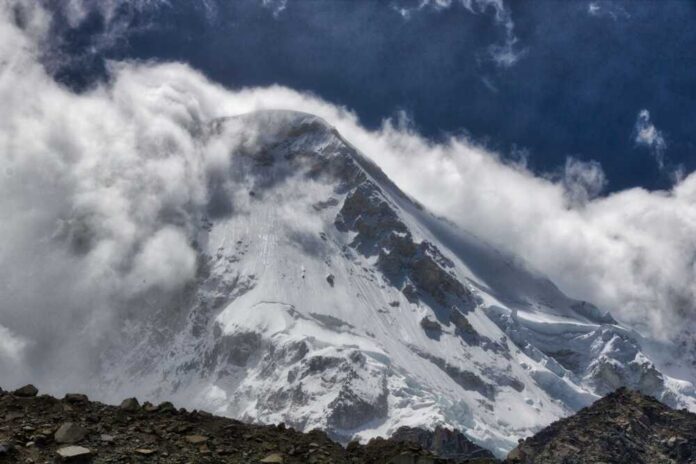
Mount Makalu, Nepal’s fifth-highest peak at 8,485m, demands technical skill due to its steep faces and seracs.
First summited in 1955 by Jean Franco’s team, it carries a 30-40% historical fatality rate. Pre-monsoon warming triggers wet slab avalanches like this one.
Descents claim 70% of deaths due to fatigue and hypoxia. This incident marks the second fatality this 2026 season after Czech climber David Roubinek died from altitude sickness on Makalu II.
American Mountaineer, 53, Dies in Partner’s Arms After Getting Caught in Avalanche on World’s 5th-Highest Peak https://t.co/WRinzIAQrO
— People (@people) May 12, 2026
Past seasons echo the peril: 2023 saw three avalanche deaths; 2019 one. Annual averages hover at 1-2 fatalities despite fewer climbers than Everest’s 1,000-plus.
Fixed ropes below Camp 3 offer false security on the normal route. Experts like Phunuru Sherpa stress May’s unstable snow in warming conditions.
Stakeholders and Broader Ramifications
Johannesen and Ashley self-outfitted via their U.S. firm, relying on Sherpa expertise for ropes and rescues. Nepal issued about 200 permits this season amid clearing storms after the May 9 summit window.
Airlifts strained helicopter resources, common in the Himalayas. Dash Adventures faces grief; Nepal’s tourism economy, 1% GDP from peaks, absorbs a $100K+ hit per expedition.
American climber dies in avalanche on Nepal's Mount Makalu https://t.co/IcsIhfwUbE
— CBS Mornings (@CBSMornings) May 12, 2026
Debates renew on commercialization versus safety. It demands better forecasting and insurance reforms, aligning with self-reliance values—climbers accept risks, but preventable oversights, such as unstable camps, demand accountability. Season continues without bans, weather stabilizing for others.
Sources:
American Woman Dies in Avalanche on Makalu, Three Injured
Avalanche on the World’s Fifth Highest Peak Claims American Climber
American Climber Dies in Accident on Himalayan Mountain