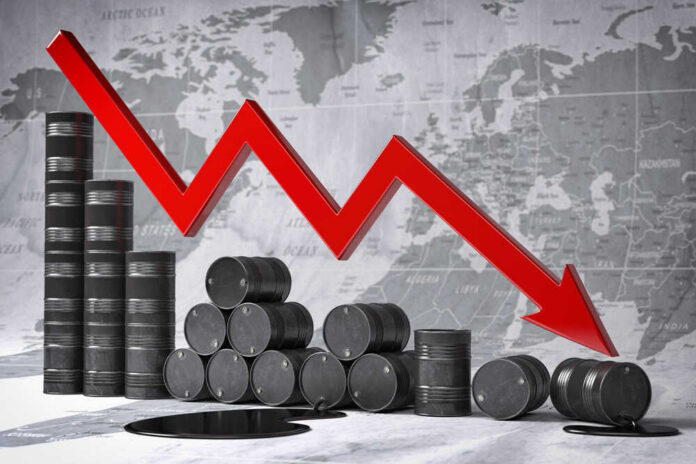
America’s emergency oil stockpile just slipped to a level not seen since the Reagan years, and it happened on purpose to blunt a real-world shock.
Story Snapshot
- Strategic Petroleum Reserve fell to early-1980s lows during Iran war disruptions.
- Department of Energy released oil to offset supply risks and price spikes.
- Latest weekly data shows levels near 300 million barrels, with some reports below that mark.
- Debate now centers on how fast to refill without spiking prices or stressing storage.
What Dropped, When It Dropped, And Why It Matters
Department of Energy data show the Strategic Petroleum Reserve fell to the lowest levels since 1983 as officials moved barrels into the market during the Iran war and shipping strains in the Strait of Hormuz.
Weekly figures pegged the stockpile around 304.8 million barrels at the end of July, marking a 43-year low. Separate weekly updates later flagged a print below 300 million barrels, underscoring how tight the backstop has become in a fast-moving crisis response.
US strategic petroleum reserves have been depleted to the lowest levels in four decades. H/t @DRBCurtis pic.twitter.com/B0h2NiYRj5
— Lisa Abramowicz (@lisaabramowicz1) August 11, 2026
The release scale fits an emergency playbook, not a routine budget choice. The Energy Information Administration reported 17.5 million barrels flowed out during late March through April alone, with 7.1 million in a single week as markets shook.
Media tallies charted weekly declines through mid-summer as officials kept crude moving to refineries and into a price-sensitive market while Strait of Hormuz traffic lagged and headline risk stayed high.
What The Government Did And The Case For It
The Department of Energy used the reserve for its nameplate mission: respond to a disruption that threatened supply and prices. Officials also joined a wider, allied release program tied to the Iran conflict, aiming to keep fuel available and to cap panic at the pump.
This is what the reserve is for. When tankers slow and insurance spikes, barrels in salt caverns are like fire extinguishers on the wall: you pull the pin when the kitchen is smoking, not when it is clean and quiet.
Keeping families driving to work and keeping diesel in farm tanks are not abstract goals. The test is whether releases matched the shock and whether the reserve still covers a major outage window.
On that score, the numbers show a thinner cushion but not an empty one. The United States still holds hundreds of millions of barrels while private inventories and domestic output continue to supply the bulk of demand.
The New Problem: How Low Is Too Low?
The drop invites a hard question: how thin can the cushion get before it stops being a cushion? Analysts warn that sub-1983 levels cut options if another hit lands before refills start in force. That critique has weight.
A backstop only works if it is there for the next fire. The right answer is a disciplined refill plan tied to price bands and storage readiness, not a headline chase that buys high and sells low—or vice versa—on political timing alone.
Critics also cite maintenance and cavern integrity concerns and ask whether years of heavy drawdowns outpaced repairs and upgrades. That is a fair ask. Congress and the Department of Energy should publish a dated, measurable schedule to restore capacity and to sequence injections.
Refill Strategy: Price Discipline, Domestic Supply, And Cavern Health
A credible plan starts with price. Set buy windows when West Texas Intermediate trades at value and avoid bidding during spikes. Use steady, smaller purchases to rebuild without lifting prices for drivers.
Pair that with targeted maintenance, so caverns and pumps are ready to accept sour and sweet grades as needed. Align contracts with domestic producers where it helps logistics, and keep flexibility to swap grades that refineries actually need in a crunch.
One more guardrail matters: communicate the rules. Markets calm when they know the trigger points for releases and refills. The Energy Information Administration’s weekly prints and the Department of Energy’s notices should anchor that signal, not drift with politics.
The mission is simple to state and hard to execute: use the reserve only for real disruptions, rebuild it with patience and price sense, and keep it ready for the day we hope does not come but must plan for anyway.
Sources:
eia.gov, pewresearch.org, ycharts.com, reuters.com