A postcard coast went dark under a ring of flames that local leaders now call deliberate.
Story Snapshot
- Positano’s mayor says the Amalfi Coast fires were likely set on purpose.
- Multiple near-simultaneous ignitions raised red flags for arson.
- Strong winds pushed flames toward villages and stretched crews thin.
- Officials say homes stayed safe as tourist sites evacuated.
Mayor points to deliberate ignitions and a clear pattern
Positano Mayor Gabriella Guida said the fire above the town was probably started on purpose, citing what she described as several ignition points across the coast in a short window.
She said the pattern looked like more than chance and discussed it with Civil Protection officials, according to local reporting. Her case rests on timing, placement, and how the flames advanced in steep terrain. That kind of pattern makes leaders suspect human hands first.
🚨 Positano, Italy 🇮🇹
What has happened in these days is horrifying
The Amalfi Coast, the Positano area, and other small villages, has been hit by numerous fires that appear to have been deliberately set
The mayors are furious
The territory is extremely fragile
Hectares of… pic.twitter.com/Uz6tHbeI0B
— Mambo Italiano (@mamboitaliano__) September 16, 2026
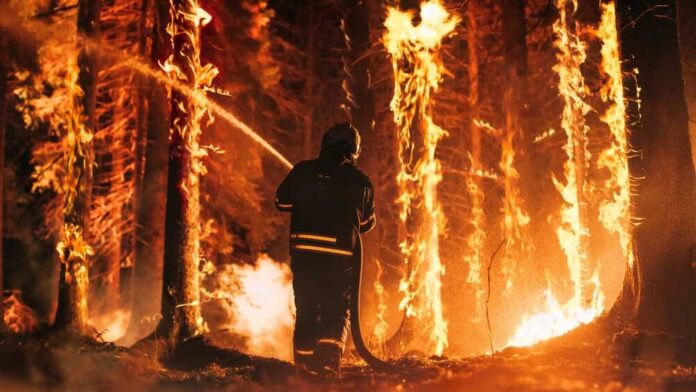
Local papers and regional outlets echoed the same warning: the arson hypothesis shaped response plans and public messaging as wind fed the slope fires. Field teams fought on razor-thin roads and cliffside paths while helicopters attacked hotspots.
The coastline’s signature drive faced closures as safety crews managed rockfall risk and smoke. Evacuations hit tourist sites, but officials reported no injuries and said homes remained safe during the peak push.
Why multiple fires scream arson to officials
Seasoned investigators treat clustered starts as a red flag, not a verdict. Manuals for wildland fire origin and cause say to trace each advancing finger of fire back to a single source or confirm separate origins before calling arson.
Training guides stress a simple method: define the problem, gather facts, test the best fit, then decide based on evidence, not hunches. Still, multiple points that wind-blown embers can’t explain often signal deliberate ignition in practice.
Mayors read the scene in real time. They saw flames pop in more than one place as gusts hit the ridgelines. They also faced a hard truth of Mediterranean fire seasons: human-caused ignitions dominate many years in southern Italy, and arson has a long record in the data.
When leaders say the pattern looks coordinated, they speak from that context. The wind made the stakes clear by pushing fire toward homes and the cliff roads that hold up the area’s economy.
Tourism, terrain, and the price of a match
The Amalfi Coast lives on narrow margins. One blocked road strangles villages. One burned slope can shed mud after the first storm. The mayor warned about the rains that follow, when scorched hillsides can slide toward beach towns and hotels below.
Crews must now plan for erosion control while they map origin sites. That double grind costs money and time. It also forces choices about patrols, cameras, and penalties to harden the coast against copycats.
The guidance is plain: walk the burn from the edges to the heel, lock down each origin, and match patterns to causes. Leaders owe locals and tourists the same thing every season: fewer excuses, more prevention, and visible consequences for those who light the fuse.
Sources:
foxnews.com, ansa.it, ilmattino.it, merkur.de, climate-adapt.eea.europa.eu, failureanalysisinstitute.com