
A sitting Democratic congresswoman crossed the aisle and endorsed the Republican Senate nominee 48 hours before Michigan votes.
Story Snapshot
- Rep. Haley Stevens endorsed Republican Mike Rogers two days before Election Day.
- Stevens said Abdul El-Sayed told her she was no longer welcome in his campaign.
- Rogers called the endorsement an act of “courage” and embraced it publicly.
- Stevens stressed she remains a “proud Democrat” while backing Rogers.
What Happened, Where, and When
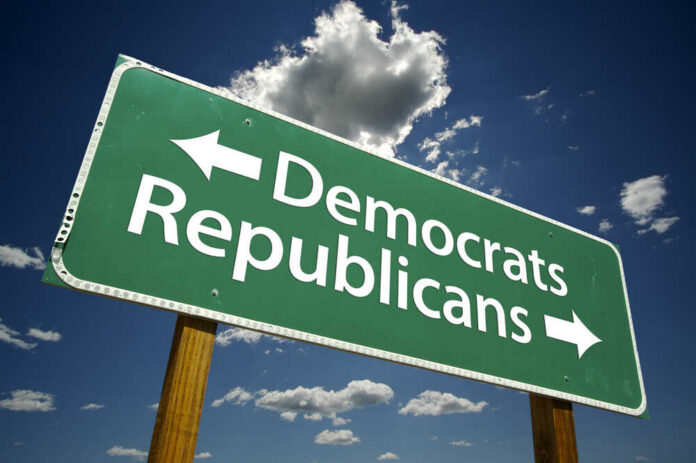
Rep. Haley Stevens endorsed Republican Mike Rogers for the United States Senate on November 1 in Detroit, less than 48 hours before polls opened. She appeared with Rogers at a church event and then delivered the news in a video and to reporters. National outlets framed the move as a shock to Democrats and a jolt to a close race. The timing ensured the move would dominate the final news cycle before voters made up their minds.
Stevens explained her choice by pointing to a rift with Democratic nominee Abdul El-Sayed. She said El-Sayed told her she was not welcome in his campaign and should stay away. She answered by backing Rogers and saying the choice was personal. Rogers accepted the endorsement on camera and praised her for “courage.” He then amplified the moment as a sign of broad support for his bid.
Why It Matters In Michigan
Michigan statewide races often turn on a narrow band of swing voters. A high-profile cross-party nod can reach those voters because it breaks the usual script. Research on endorsements shows they can move opinion fast, but the effects fade within weeks. A last-minute endorsement therefore works less like a long persuasion play and more like a loud signal in the final sprint. It gives both campaigns a fresh frame for their closing argument.
Democrats face a clear headache. El-Sayed loses a marquee validator who had already backed him earlier. Republicans gain a headline and a talking point with suburban moderates, where Rogers needs to compete. But endorsements rarely flip committed partisans. The most likely impact is among low-information voters and late deciders who watch local news, scan social feeds, and vote on gut trust rather than party dogma.
The Stevens–El-Sayed Rift, On The Record
Stevens said the break began when El-Sayed told her to stay away from his campaign. She repeated that claim in her video and press comments. Reporting confirms her statement and the endorsement but does not provide independent documentation of that private exchange. Stevens also said she remains a “proud Democrat,” which frames her move as a cross-party endorsement, not a switch. El-Sayed’s campaign moved to downplay the moment and keep its focus on turnout.
Rogers leaned into the rift as proof of broad appeal. He cast Stevens’ choice as values over party and highlighted themes of public safety, economic steadiness, and unity. That message fits a center-right close that courts independents and suburban Democrats who split tickets. The church backdrop reinforced the tone: calm, civic, and personal. For voters who dislike hard-edge campus fights and online rage, the setting signaled normalcy and restraint.
How The Endorsement Could Play Out
Expect a fast, targeted push to older suburban voters in Oakland, Macomb, and Kent counties. These voters follow local news and often decide late. Republicans will feature Stevens in digital ads and earned media to boost credibility with moderates. Democrats will counter by elevating trusted surrogates and reminding base voters of core issues. The clock limits full voter contact, so the news echo may matter as much as any ground tactic.
Do not expect a landslide effect. Endorsements help most when they confirm what a voter already senses. This one could be a tiebreaker for people who felt uneasy about the tone of the race and wanted permission to cross lines. It also may stiffen partisan backs on both sides. The net effect likely hinges on split-ticket seniors and irregular voters who show up when a story feels big. In a race this tight, a small shift can still decide it.
Sources:
nbcnews.com, bbc.com, politico.com, cbsnews.com