
A fire at a South Carolina nuclear site triggered an emergency declaration, raising concerns about a possible radiological release.
Story Snapshot
- A lab fire at the Savannah River Site led to a Site Area Emergency.
- Radiological surveys reported no detectable contamination.
- Restrictions and barricades were lifted the same night at 9:45 p.m.
- Independent reporting echoed the no-contamination result.
Emergency Triggered, Then Stood Down The Same Night
The Savannah River Site declared a Site Area Emergency on October 28 after a laboratory fire. Officials restricted access, controlled site traffic, and began radiological surveys as part of standard emergency steps. The lab was the focus of the event, and the site later reported no contamination outside the affected facility. The emergency ended at 9:45 p.m., and protective actions were lifted, including reopening site barricades and resuming normal operations that night.
The site’s public statements gave two key findings. First, no contamination had been reported outside the affected facility during the response. Second, radiological surveys indicated no detectable levels of contamination. Those statements address the core public question: did anything hazardous reach beyond the lab during the fire response window. The Associated Press reported the same survey result, giving readers a second source that echoed the site’s conclusion.
What “No Detectable Contamination” Means In Practice
Emergency managers plan for potential risk, not a confirmed release. When a fire starts in a nuclear-related lab, responders assume worst case until surveys say otherwise. That is why officials restricted movement and monitored the area. “No detectable” means instruments and samples taken during the response showed no levels above their detection limits. That phrase is common in radiological work and signals that protective steps can wind down when readings stay at background.
Readers often ask why an emergency was called if nothing was detected. The answer is simple risk math. A laboratory fire can change ventilation, heat-seal containers, and stress safety systems. Rules for Department of Energy sites require rapid communication, field monitoring, and a clear operating picture when an incident could pose a release. Declaring early gives responders room to act fast, then stand down once data support it. That is what happened here, and the timeline fits that playbook.
The Site, The Stakes, And The Data Trail
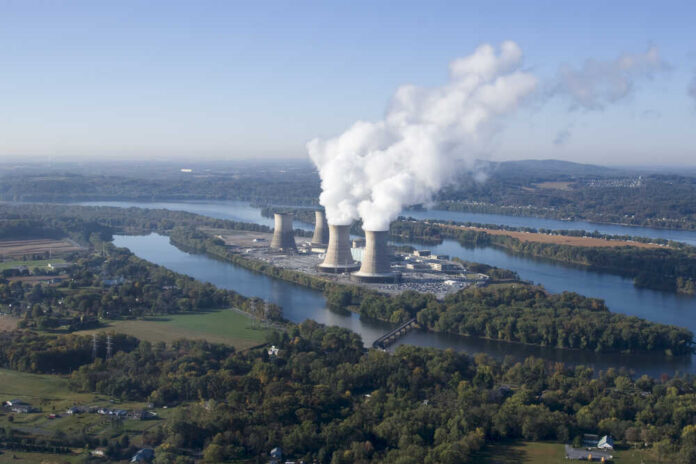
The Savannah River Site is a Cold War-era complex that produced nuclear weapons materials. That history raises the perceived stakes whenever alarms sound. The Associated Press described a brief emergency at a laboratory on the reservation and noted the all-clear on contamination. Major outlets framed the event as a short-lived scare contained to the lab. The most important operational detail for nearby communities was the end-of-night termination and reopened access points.
Officials said the fire occurred in a laboratory and that they detected no contamination outside the facility. They also attributed the conclusion to radiological surveys. Those details matter for trust because they tie the all-clear to measurements, not only to a verbal assurance. The site did not release instrument logs in the initial updates. That is normal on day one, and it does not change the standing fact that the declared emergency ended the same evening after clean readings.
Why The Response Aligns With Common-Sense Safety
Leaders who face low-probability, high-consequence risk should act early, share facts, and update fast. That approach lines up with conservative values of duty of care, transparency about outcomes, and getting people back to normal as soon as the data say it is safe. The Savannah River Site checked those boxes: declare, measure, report, reopen. The press then repeated the bottom line in plain terms: no detectable contamination found; emergency over that night.
Fire at Savannah River National Laboratory: Site Area Emergency Lifted; No Off-Site Contamination Reported, Though "Unfiltered Ground-Level Radiological Release" Did Occur
Event Overview and Official Reports
At 5:39 PM (EDT) on October 28, 2026, a fire broke out in a room at… https://t.co/nq3UfAVjTv
— THE WORLD CORRESPONDENT (@TheWorldCorresp) October 29, 2026
One brief caveat belongs on any first-day account of an industrial fire: early statements can evolve as agencies finalize reports. Here, the essential milestones stand firm. The emergency declaration followed a lab fire. Radiological surveys did not detect contamination. The site lifted protective actions and reopened barricades at 9:45 p.m. Independent reporting carried the same findings. That is the story that matters to families, truckers, and local businesses who needed to know who could go where, and when.
Sources:
foxnews.com, public.srs.gov, edition.cnn.com, wrdw.com