

A 31-year-old father of two drowned after a seagull tangled in his fishing line pulled him into a fast-moving current near Carillon Beach.
Story Snapshot
- William “Stone” Romberg, 31, entered the surf to free a seagull caught on his fishing line.
- The bird and hook became caught on his hand as a current carried him farther from shore.
- He drowned on Sunday, October 25, 2026, near Carillon Beach in Florida’s Panhandle, reports say.
- Public safety data show rip currents kill about 100 people in the United States each year.
A beach trip, a tangled bird, and seconds that turned deadly
Reports identify the victim as William “Stone” Romberg, a 31-year-old father of two young girls. He had been fishing along the shore near Carillon Beach in the Florida Panhandle when a seagull became caught in his line. He swam out to help the bird. The hook and bird then snagged his hand, limiting his movement. A strong current pushed him out as he tried to return, and he drowned, according to multiple outlets.
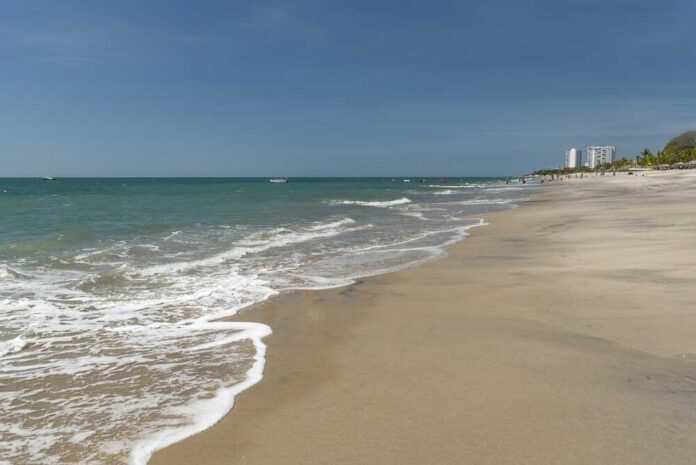
Outlets place the incident near Carillon Beach, close to Laguna Beach and Phillips Inlet along the Gulf. The area features shifting sand bars and tidal flow through nearby inlets. Those features can set up narrow, fast channels that drag swimmers away from shore. Accounts link the date to Sunday, October 25, 2026. The immediate details came from people close to Romberg and the local beach community, which aligned across several newsrooms.
Florida dad, 31, drowns trying to save tangled seagull in Panama City Beach https://t.co/25VBdkVgLq pic.twitter.com/4mQl3SkLvj
— New York Post (@nypost) October 29, 2026
How a rescue attempt narrows your options in moving surf
Fishing line changes a rescue. A free swimmer can shed gear and focus on a calm, flat body position. A swimmer tied up by line, a hook, or a flailing bird loses reach and control. Small losses matter in fast water. The body rides lower. The kick fades. Panic grows. That is how people get pulled past the break. The scenario tracks with what lifeguards see when bystanders jump in to help and run into an extra hazard mid-rescue.
Rip currents account for most surf rescues in the United States. The National Oceanic and Atmospheric Administration reports that these channels can move faster than an Olympic sprinter in short bursts. Lifeguards rescue tens of thousands of people from them each year, and about 100 people die in them annually. The rule is simple: don’t fight the pull head-on; float to conserve energy, then move sideways out of the flow before angling back to shore.
What the numbers say about risk, gear, and wildlife
Public safety data show a consistent pattern. Most surf rescues involve rip currents, and many deaths happen when conditions look normal from the beach. That mismatch tricks even confident swimmers. The water can look green and calm, yet hide a conveyor belt that sweeps you past your footing in seconds. Adding fishing line and a hooked bird stacks the odds against a safe return. One snag can turn a short swim into a fight you cannot win.
Wildlife entanglement is real and widespread. National marine programs document how lost or active fishing gear can hook, cut, or trap birds, turtles, and mammals. Animals that tangle can drown, starve, or suffer deep wounds. Well-meaning people often try to help on the spot, but responders urge caution since panicked animals thrash and lines can cinch tight on hands and arms. The safer path is often to call trained responders when possible.
What beachgoers can learn without second-guessing courage
Romberg’s choice came from a decent impulse: fix the harm his gear caused and spare an animal. That is human and brave. The lesson is not to care less. It is to add a plan. First, scan for lifeguards and posted flags. If the beach is guarded, alert the tower. If it is not, keep your feet on the sand. Call for help and watch the drift to guide responders. If you must enter, carry a float and stay upstream of any line to avoid a wrap.
For anglers, trim the risks before a crisis. Use barbless hooks when space is tight near birds. Pack a line cutter on a lanyard. Keep a small towel and glasses in a pocket to handle a bird safely if it is already under control on the beach. If a bird tangles in the surf beyond standing depth, do not pursue it into moving water. Mark the spot, call for help, and be ready to point responders to the last known position.
Sources:
people.com, fox5atlanta.com, nypost.com, m.dailyadvent.com, us.headtopics.com, wsbtv.com, hoodline.com