
The Food and Drug Administration ordered every GLP-1 drug to add a warning about a rare eye event that can steal sight in hours.
Story Snapshot
- The Food and Drug Administration required classwide label changes for GLP-1 drugs over a rare eye risk.
- The warning cites a potential increased risk of non-arteritic anterior ischemic optic neuropathy (NAION).
- Doctors must tell patients to report sudden, painless vision changes in one eye right away.
- European regulators flagged a very rare risk for semaglutide earlier this year.
What The Food and Drug Administration Ordered And Why It Matters
The Food and Drug Administration directed all makers of glucagon-like peptide-1 drugs to add a Warnings and Precautions statement about a potential increased risk of a rare eye condition called non-arteritic anterior ischemic optic neuropathy. The agency posted a formal Drug Safety Communication and a MedWatch alert. The change applies across the class, which includes diabetes and weight-loss brands. The agency framed the risk as rare but serious and focused on fast detection and referral steps for patients and clinicians.
The agency’s alert instructs clinicians to tell patients to report sudden, painless vision loss, new blind spots, or other visual changes in one eye right away. It also advises immediate referral to an eye specialist if symptoms occur. The Food and Drug Administration did not claim that all patients face vision loss. It emphasized a potential increase in risk and the need for vigilance. That approach balances a popular therapy’s benefits with a low-frequency but high-impact harm.
What The Signal Looks Like In The Data
The Food and Drug Administration cited pooled trial data showing a small number of probable cases among large study populations. The agency and trade coverage described 15 probable cases across 126 randomized trials, with higher rates in the GLP-1 groups than in placebo or other drugs. That pattern suggests a signal, not a blanket danger for every user. The Food and Drug Administration’s messaging focused on absolute rarity and fast action if symptoms arise, which aligns with common sense risk management.
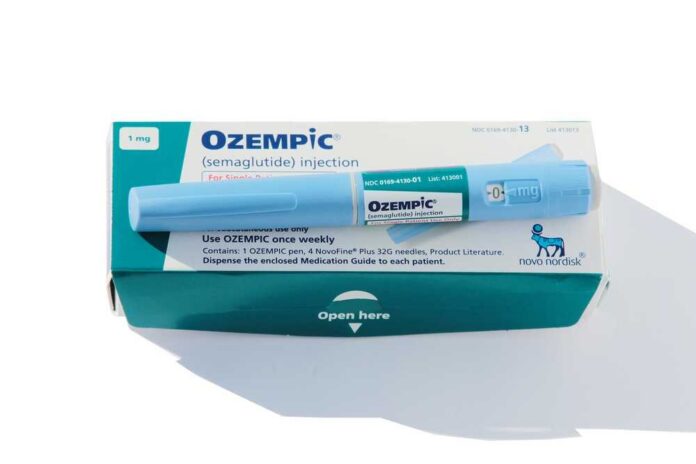
Evidence that drew early attention centered on semaglutide, the active ingredient in Ozempic and Wegovy, after an ophthalmology study raised concern and prompted the agency’s review. European regulators also concluded that non-arteritic anterior ischemic optic neuropathy is a very rare side effect of semaglutide and moved to update product information. Those steps support the Food and Drug Administration’s decision to warn, while leaving room for ongoing drug-specific study.
Who Is Affected And What To Do Now
Patients using drugs in this class should not panic or stop treatment on their own. They should learn the specific symptoms that demand a same-day call: sudden, painless dimming or loss in one eye, new shadows, or missing pieces of vision. Clinicians should add that message to every new start and refill visit and build a direct referral path to ophthalmology. That simple playbook can catch a rare event early and lower the odds of permanent loss.
1/4 REGULATORY: FDA is requiring every approved GLP-1 drug label to add a warning about a potential increased risk of NAION, a rare optic nerve condition that can cause sudden vision loss in one eye.
Drug Safety Communication, Nov 9, 2026: https://t.co/uS9DulHsDY
— PeptideScouter (@PeptideScouter) November 10, 2026
Doctors should also review common non-drug risk factors with patients. Age over 50, diabetes, high blood pressure, sleep apnea, and a small crowded optic nerve can raise baseline risk. A careful medication history, steady blood pressure control, and prompt exam after any visual change are practical steps. That is not red tape; it is how modern safety works when a treatment delivers clear benefits yet carries a small, serious risk that needs eyes-on care.
Why A Classwide Warning, And What Comes Next
The Food and Drug Administration chose a classwide label so that patients and prescribers get a single, clear rule. Some data center on semaglutide, but people often switch agents within this class. A unified warning keeps the message simple: know the symptoms and act fast. The agency’s move mirrors European action and encourages further research to pin down whether the risk varies by drug, dose, or duration. That clarity helps protect patients without scaring them away from care.
Media headlines shout “blindness,” but the label language stays precise: a potential increased risk of a rare event. Responsible coverage should match that precision, because exaggerated fear can push patients to stop proven drugs without cause. The better path is straight talk, quick reporting of symptoms, and continued study. That is how a free people stay informed, protect their health, and demand both safety and access from regulators and drug makers alike.
Sources:
nbcnews.com, fda.gov, usatoday.com, journalrecord.com, fdaweb.com