

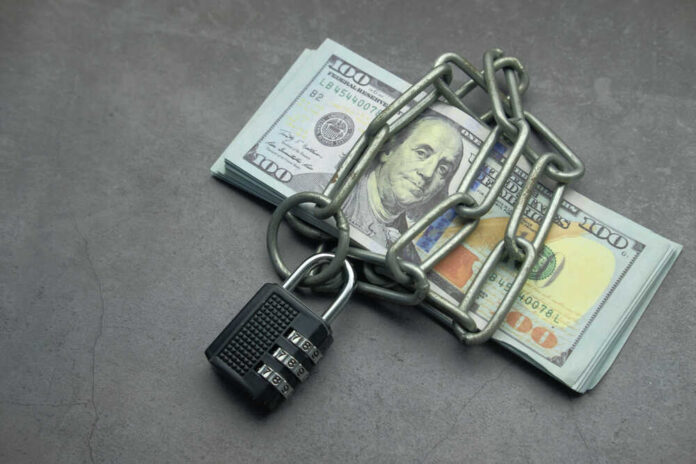
A single technical glitch at JPMorgan Chase sent ripples through American banking screens, slowing payments and rattling nerves.
Story Snapshot
- Customer reports spiked across several big banks after a Chase-linked tech issue.
- Chase said transactions were delayed but accounts and funds remained accessible.
- Problems surfaced on outage-tracking sites for Bank of America, Wells Fargo, U.S. Bank, and Zelle.
- This looked like one failure with many spillovers, not many banks failing at once.
What Happened And Who Felt It
Customers at Bank of America, Wells Fargo, U.S. Bank, and money transfer service Zelle reported online access trouble after a technical issue at JPMorgan Chase. The Associated Press tied the delays to Chase and described how they spread across parts of the financial system through linked services and shared rails. Outage-tracking dashboards lit up with simultaneous reports for several brands, which matched what local outlets and national broadcasts showed throughout the day.
🚨 BREAKING: JPMorgan Chase FINALLY reveals what caused its massive banking outage!
A SOFTWARE BUG in its internal hardware systems disrupted transactions across multiple banks.
Chase says there is NO EVIDENCE of a cyberattack and customer funds remain accessible.
They’re…
— Ryan Fournier (@RyanAFournier) November 16, 2026
JPMorgan Chase said the disruption was a technical problem, not a cyberattack. The bank explained that some transactions took longer than normal but customers could still see their accounts and funds. That message aimed to calm people who feared a lockout or missing money. It also signaled the bank’s focus on clearing backlogs while keeping customer access open for basics like balance checks and viewing statements.
Why One Glitch Creates Many Headaches
Modern banking depends on shared pipes. A single bank or vendor often sits at the center of payments that touch many brands. When that hub slows, connected apps and transfers can appear broken everywhere at once. The pattern on Monday fit that script: user-facing issues across several institutions, with the cause concentrated in Chase’s systems and the services that rely on them. Outage trackers simply reflect what customers feel, not where the root fault lives.
Regulators frame this as operational resilience. The global banking standard setters say banks must deliver critical operations through disruption. That means mapping dependencies, testing backups, and recovering fast when a vendor, payment network, or core platform stumbles. The goal is steady access to deposits, transfers, clearing, and settlement even when one spoke misfires. The Federal Reserve’s research encourages measuring how much a disruption cuts key functions and how quickly they bounce back.
What Banks Should Do Next
Big banks should pressure-test failovers for transaction queues tied to external partners. Clear transaction status messages reduce panic and needless repeat attempts that clog systems. Coordinated public updates across affected brands prevent mixed signals. After-action reviews should map where single points of failure still lurk and set time targets for recovery of each critical function. Those steps line up with resilience guidance and with basic common sense that values transparency, redundancy, and speed.
It has started…
Chase bank, Bank of America, Wells Fargo and U. S. Bank hit by outages.
What if the real threat isn’t hackers taking down the banks… but how dependent we’ve become on a system that can be switched off overnight?
No access to your money. No transactions. No… https://t.co/M7VxNgd7xT
— Fire (@Firemetax) November 16, 2026
Customers can take simple steps that work every time this pattern shows up. Check balances and posted transactions before re-trying a payment. Avoid sending the same transfer twice. Use a debit card for urgent purchases if a transfer is queued. Keep a small cash buffer for short outages. Save emergency bill-pay contacts offline. These moves reduce stress and fees during delays that usually clear within hours once the bottleneck gets fixed.
The Takeaway For Everyday Banking
Monday’s disruption looked wide but was not wild. It showed how a single technical issue can slow many brands at once without threatening deposits. Chase acknowledged the problem and said funds stayed accessible, which matched the scattered but consistent outage reports across other banks and Zelle. The lesson is not that the system is fragile; it is that dependencies are real. Strong resilience means planning for that truth and communicating fast when the pipes clog.
Sources:
youtube.com, dispatch.com, apnews.com, ftw.usatoday.com, securityaffairs.com