
A known humpback whale swam about 60 miles inland to the Sacramento River, and people watched it breach near the Rio Vista Bridge.
Story Snapshot
- Witness video and news crews filmed a humpback whale near Rio Vista in the Sacramento River.
- The Marine Mammal Center confirmed the whale’s move from San Francisco Bay into the Delta.
- Experts identified the whale as CRC-11620, a cataloged individual nicknamed Rio.
- Officials called the visit unusual and urged boaters to keep a safe distance.
A humpback takes a wrong turn into farm country
Video from the river showed the humpback surfacing near Rio Vista as people looked on from boats and shore. News helicopters and crews hustled to the bridge, which sits far from ocean swells and sea spray.
The Marine Mammal Center said the whale entered San Francisco Bay earlier in the week and then kept going east into the Sacramento–San Joaquin Delta, a maze of tidal channels that funnel deep into farm country. The center monitored the animal and shared guidance with local agencies.
A humpback whale was spotted 60 miles inland in California, deep in the Sacramento-San Joaquin Delta. Watch till the end. #Whale #California #Wildlife pic.twitter.com/HYiwUic0dy
— NTD News (@NTDNews) September 20, 2026
Reporters and residents counted the distance. The sighting stood about 60 miles from the Pacific, a long inland push for a marine giant built for cold, rich coastal water and open sounds.
A fisherman said he saw the whale about a mile south of the Rio Vista Bridge around noon on Wednesday, a detail that helped crews narrow the map point as they followed. A station helicopter later searched without a fresh visual, a sign the window was brief.
Identity confirmed: meet Rio, CRC-11620
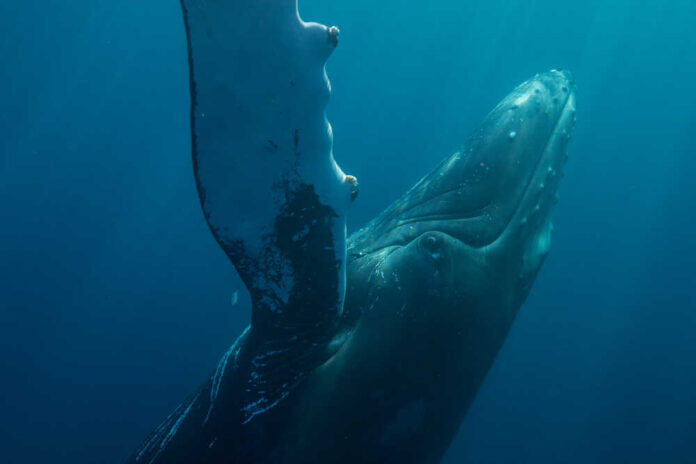
Wildlife experts matched photos and markings and identified the whale as CRC-11620, known as Rio. Photo identification uses nicks on the tail and dorsal fin, along with pigment patterns.
The Marine Mammal Center linked the match to catalog records kept by Cascadia Research Collective, which has tracked this individual for years.
The center said Rio has at least 15 documented sightings over 24 years across California and Mexico, which adds confidence to the ID and the timeline of its life in the Eastern Pacific.
Identification matters here because it ties the spectacle to a real animal with a record, not a one-off mystery. Catalog work relies on steady field effort, and it pays off in odd cases like this.
Knowing the whale’s past range and behavior helps rescuers judge risk and helps the public see a living thread, not a viral clip. It also aligns with common sense: names and records bring accountability to wildlife care and public policy.
Unusual, not unheard of: a short history of inland whales
California remembers inland whales. In 1985, a humpback called Humphrey spent weeks near Rio Vista before making it back through the Bay and out to sea.
In 2007, a mother and calf known as Delta and Dawn reached far up the Sacramento River, stayed almost three weeks, and then returned to the ocean. These cases show that deep inland forays do happen, and that they can end well when people give the animals space and reduce noise and crowding.
Experts do not yet know why a whale turns inland. Theories include prey chasing, tidal confusion, or noise-related stress. The Marine Mammal Center advised people to keep a wide buffer and avoid herding. That advice matches past lessons. Boats too close can block exits, raise stress, and risk strikes.
What officials did, what you should do next time
The Marine Mammal Center coordinated with local partners to watch Rio’s movement and update the public. Crews checked from the air and shore, while stations shared clips and maps. No agency reported a rescue plan because the whale did not appear trapped and was still moving.
The best outcome is a quiet return to the coast without intervention. If you see a whale in a river, slow down, give it at least 100 yards, and call local wildlife hotlines with time and location.
🐋 Giant Humpback Whale Spotted Far Inland in California River
https://t.co/Yqn3k2Ohtk— Paul Agyeman✨💥 (@PaulAgyeman4) September 21, 2026
The next chapter likely happens off camera. Kelp lines and bait balls along the coast draw humpbacks every fall. If Rio slipped back to the Bay with the tide, the story ends at the Golden Gate with no fanfare. If not, officials will brief the public again.
One thing is sure: these rare inland visits reveal how tightly our rivers, bays, and ocean connect. When a 40-ton traveler misses a turn, the whole region feels it—and learns from it.
Sources:
abcnews.com, yahoo.com, local10.com, kcra.com, cbsnews.com