

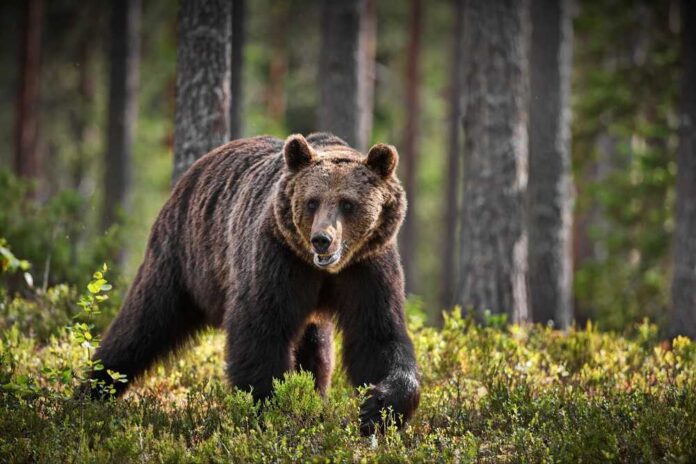
Hungry black bears are pouring into Colorado towns this summer, and wildlife officials say a brutal drought is the reason why.
Story Snapshot
- Colorado Parks and Wildlife logged 6,129 bear sightings and conflicts through August 13, nearly double last year’s count at the same point.
- Officials say drought has wiped out the berries, nuts, and plants bears need to fatten up before winter.
- Bears have shown up in restaurants, cars, apartment complexes, and even a college campus during move-in week.
- Wildlife agencies are urging residents to lock up trash, secure food, and remove bird feeders.
A Statewide Surge In Bear Sightings
Colorado Parks and Wildlife spokeswoman Kara Van Hoose told reporters her agency is “seeing an increased number in these reports and bear activity in general this year, which we are mainly attributing to drought.” The numbers back her up.
Through August 13, the state counted 6,129 bear sightings and conflicts, compared with 3,115 during the same stretch in 2025. That is not a small bump. It is nearly double.
The pattern is showing up in mountain towns and college campuses alike. Fort Collins, Aspen, Colorado Springs, Eagle-Vail, Steamboat Springs, and Snowmass have all reported bear activity this summer.
Colorado State University saw bears wander onto campus right as students moved into dorms, adding an unexpected wrinkle to an already chaotic week for freshmen and their parents.
Bears are getting into more trouble than usual in the parched Rocky Mountains this summer. They are wandering into urban areas, getting trapped in cars, raiding trash cans and sometimes attacking people.
Read more: https://t.co/oecGUC8372 pic.twitter.com/wUJfQKLz6b
— ABC News (@ABC) September 8, 2026
Why Drought Is Pushing Bears Toward People
Wildlife officials describe a simple chain of events. Dry conditions kill off the wild plants, berries, and nuts bears normally eat to bulk up before hibernation. Without that natural food, bears go looking elsewhere, and elsewhere often means neighborhoods, dumpsters, and kitchens.
A local station reported that “extreme drought conditions are limiting the natural food sources bears rely on to prepare for winter, forcing them to search for food in towns and neighborhoods”.
David Boyd, a spokesman tied to the U.S. Forest Service, put it plainly: bears “just don’t have the natural food source that they normally would have this time of year.”
The White River National Forest echoed that assessment near Aspen, saying drought severely hurt summer forage and pushed animals “toward human-related food sources”. A late spring frost and lingering wildfire damage compounded the problem, wiping out even more of the fruit and nuts bears depend on.
Real Encounters, Real Consequences
These are not just distant sightings on a map. A bear wandered straight into an Aspen restaurant, turning a quiet dinner service into chaos. In Colorado Springs, a black bear got trapped inside a parked car and did not survive.
At an Eagle-Vail apartment complex, a bear encounter left a person with a minor injury. Each incident is small on its own. Together, they paint a picture of a state where bears and people are crossing paths far more often than usual.
What Wildlife Officials Are Telling Residents To Do
Colorado Parks and Wildlife has responded with the same basic safety message it gives every year, just with more urgency. Never feed or approach bears. Secure food, garbage, and recycling bins so bears can’t smell them or open them easily.
Take down bird feeders when bears are active in the area. These sound like small chores, but wildlife officers say they make a real difference in whether a hungry bear moves on or sticks around.
Bears are not attacking people because they suddenly turned aggressive. They are following their noses to the easiest calories available, and this year that trail leads straight into town.
Another report said that as natural food gets harder to find, bears are increasingly relying on what humans leave out, whether that is trash, pet food, or an unlocked car with groceries inside.
A Pattern Bigger Than One Bad Summer
Wildlife researchers have long documented this same cause-and-effect in dry years across the West. When natural food crashes, bears switch to foraging near people, then switch back once wild food returns.
The Denver Post noted that Colorado’s 2026 numbers already stand out compared with last year, marking one of the more active bear seasons officials have tracked recently.
Coloradans living near forests and foothills should expect this pattern to keep repeating in dry years ahead, and simple precautions at home remain the best defense against an unwanted visitor.
Black bear attacks tied to this drought cycle have also drawn attention from outlets tracking rural and wildlife news, a sign this story is resonating well beyond Colorado’s borders.
For now, state officials say the message is straightforward: lock up food, stay alert outdoors, and give bears the space they need to find their own way back to the wild.
Sources:
wyomingpublicmedia.org, cpr.org, coloradoan.com, cbsnews.com, kunc.org, axios.com, kjct8.com