

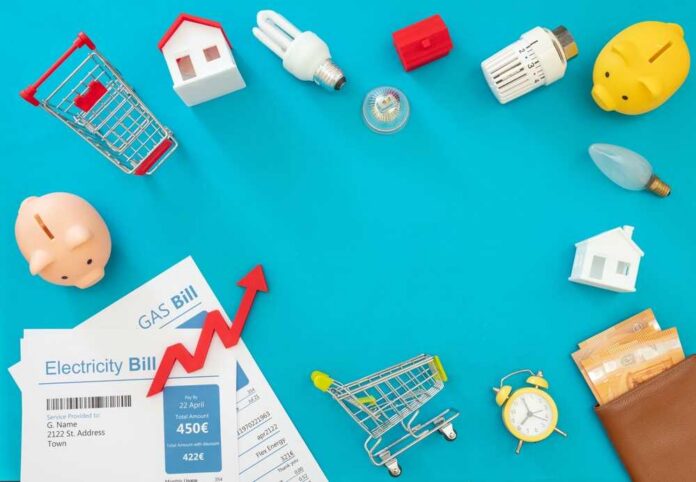
One in five Americans say they have cut back on food just to keep the lights and heat on, according to a new nationally representative survey from Consumer Reports.
Quick Take
- Consumer Reports surveyed 2,146 U.S. adults in November 2025 about rising energy bills.
- Sixty-eight percent said home energy costs strained their household finances.
- Roughly one in five lower-income Americans skipped meals or cut grocery spending to pay for heat and electricity.
- Academic research shows energy-burdened households face up to twice the risk of falling into poverty.
A Survey That Puts Numbers On A Painful Choice
Consumer Reports ran its survey in November 2025, asking a nationally representative group of 2,146 adults about their experience with electricity and natural gas bills. The results were stark. Sixty-eight percent said their household finances felt strained by home energy costs. That is not a fringe complaint. That is more than two out of every three American households.
Dig deeper into the numbers and the picture gets worse. Consumer Reports found that nearly one in five lower-income Americans skipped meals or cut back on groceries specifically to afford heating and electricity during colder months. The group called it the “heat or eat” reality, a phrase that sums up an impossible decision families should never have to make.
Why This Isn’t A New Problem, Just A Worsening One
Researchers have tracked this trade-off for years. One study using data from 1999 through 2017 found that households spending at least 10% of their income on energy, known as being energy-burdened, faced one and a half to two times the risk of entering or staying in poverty compared to households without that burden. The mechanism behind today’s headline numbers is not new. It is accelerating.
A separate Consumer Affairs analysis found that nearly three in five low-income Americans are experiencing what researchers call energy poverty, a condition where families cannot cover basic energy needs without sacrificing something else, usually food or medicine. More than two in five spend at least 10% of their monthly income just on energy bills.
The Bigger Squeeze: Groceries, Gas, And Shrinking Savings
Electricity bills are not rising in isolation. Consumer Reports has also tracked how inflation has forced Americans to buy fewer items at the grocery store, cut back on gasoline, and slash their savings rate by nearly half since January 2025. Energy costs are one more pressure point stacked on top of an already stretched household budget.
That stacking effect matters. A family choosing between a full grocery cart and a paid electric bill is not making an isolated decision. They are triaging multiple rising costs at once, and electricity is often the bill that cannot be delayed without real consequences, like a shutoff notice.
Shutoffs Are Climbing, And So Is The Concern Over What’s Driving Prices Higher
The consequences of falling behind are not abstract. Utilities cut off power to an estimated 4.2 million households last year, according to a report highlighted by CBS News, as rising living costs forced families to choose between keeping the lights on and paying for food, rent, or transportation.
Consumer Reports also found that 78% of Americans are at least somewhat concerned that data centers, the massive computing facilities powering artificial intelligence, will push energy prices even higher. Families already stretched thin are watching a new source of demand enter the grid, and they are worried about who ends up footing the bill.
What Families Are Actually Weighing Each Month
Regulators and utility companies set rates, but families live with the results. When electricity and groceries both climb at once, something has to give. For a growing share of Americans, that something is dinner. These are not abstract statistics. They are real households deciding whether the stove or the thermostat wins out this month, and Consumer Reports has now put hard numbers behind what many families already feel every time a bill arrives.
Sources:
cbsnews.com, consumerreports.org, advocacy.consumerreports.org