
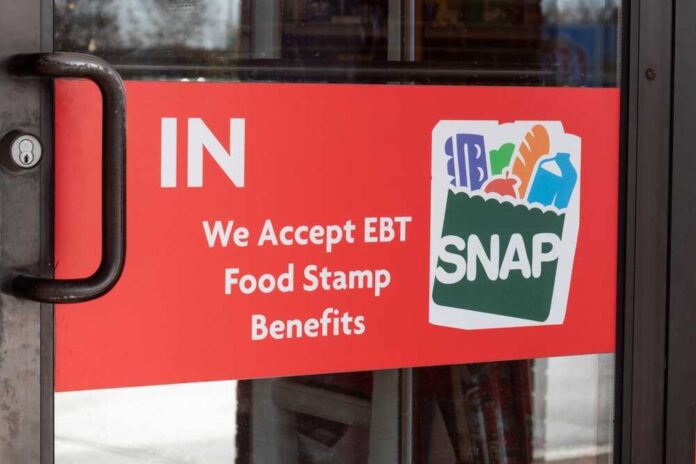
The Trump administration is tackling decades of government waste by declaring the SNAP program “out of control” and overhauling how America spends $400 million daily on nutrition assistance.
Quick Take
- USDA Secretary Brooke Rollins confirms the SNAP benefits program requires major reform to eliminate fraud and waste.
- Administration redirecting nutrition budget toward American-grown food, supporting domestic farmers, and reducing chronic disease.
- Participants are now required to reapply for benefits as part of a fraud-prevention crackdown.
- The Trump administration is providing a bridge funding package to support farmers facing financial pressure as they head into 2026.
- Shift aligns with the “Make America Healthy Again” initiative led by HHS Secretary Robert F. Kennedy Jr.
SNAP Program Faces Long-Overdue Accountability
The U.S. Department of Agriculture has officially declared the SNAP benefits program “out of control,” marking a significant shift in how the federal government addresses welfare spending.
Agriculture Secretary Brooke Rollins confirmed the agency is implementing comprehensive reforms to eliminate fraud, waste, and inefficiency within the system that distributes roughly $400 million daily across 16 nutrition programs nationwide. This accountability measure follows the program’s scrutiny during recent government funding negotiations, when SNAP nearly ran out of resources.
USDA calls SNAP benefits program 'out of control,' plans major overhaul https://t.co/0MLFdACSIJ
— FOX Business (@FoxBusiness) November 26, 2025
Redirecting Resources Toward American Farmers and Health
Rather than simply cutting benefits, the Trump administration is strategically redirecting nutrition funding toward healthier, American-grown food options including specialty crops, fruits, and proteins.
Secretary Rollins announced that the USDA will leverage its substantial purchasing power to stock school lunches and food banks with domestic agricultural products, creating a dual benefit: supporting struggling American farmers while improving nutrition outcomes.
This approach represents a departure from decades of government spending that often prioritized processed foods and foreign imports over domestic agricultural support and public health.
Fraud Prevention Through Benefit Reapplication
The administration has implemented a requirement for all SNAP participants to reapply for benefits, a critical step in rooting out fraud within the program.
This measure directly addresses years of lax oversight that allowed improper payments and gaming of the system. By requiring reapplication, the USDA can verify eligibility and ensure benefits reach genuinely needy Americans rather than those exploiting government generosity.
The reapplication process serves as both a fraud filter and an opportunity to update recipient information for more accurate, efficient program administration.
Supporting American Farmers Through Bridge Funding
Secretary Rollins confirmed the administration is finalizing a “bridge package” of financial support for American farmers facing severe economic pressure. Farmers need certainty now as they plan 2026 planting and harvesting schedules while banks press for payments.
Treasury Secretary Scott Bessent is coordinating the effort to deliver timely assistance before year-end. Rollins emphasized that rural America has endured “really, really tough few years,” making immediate support critical for agricultural stability and food security heading into the new year.
Make America Healthy Again Takes Shape
The SNAP overhaul represents a concrete implementation of the “Make America Healthy Again” initiative championed by HHS Secretary Robert F. Kennedy Jr. By shifting nutrition spending toward whole foods, specialty crops, and American-grown proteins, the administration addresses chronic disease prevention at the source.
Secretary Rollins indicated that more details will emerge in early 2026 as the administration continues restructuring how federal dollars support both nutrition and domestic agriculture. This integrated approach demonstrates how conservative governance can simultaneously reduce waste, support American workers, and improve public health outcomes.