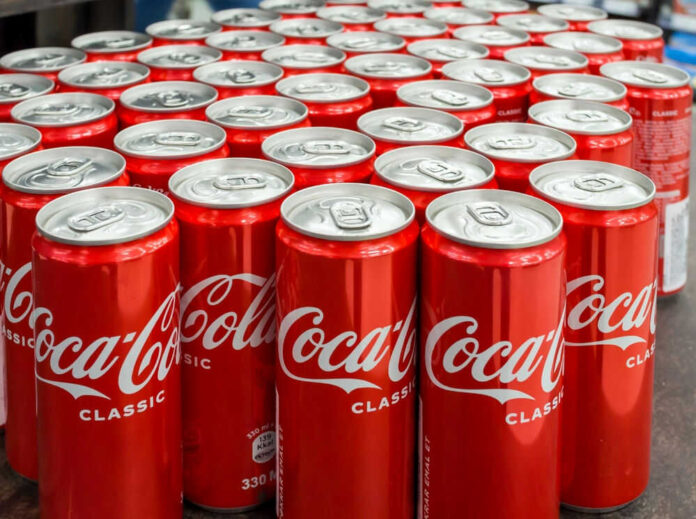
In a move that has set the beverage industry abuzz, former and current President Donald Trump claims Coca-Cola has agreed to revert to using real cane sugar in its U.S. products.
At a Glance
- Trump announced Coca-Cola’s shift to cane sugar in the U.S.
- Coca-Cola has yet to confirm the switch officially.
- The Corn Refiners Association warns of economic repercussions.
- Consumers are divided over taste preferences and health impacts.
Trump’s Bold Announcement
On July 17, 2025, Trump took to Truth Social to declare that Coca-Cola had agreed to use “REAL Cane Sugar” in its U.S. products. This announcement has stirred a wave of reactions across industries and among consumers.
Trump, a known Diet Coke enthusiast, emphasized the superiority of cane sugar over high fructose corn syrup (HFCS), a sentiment echoed by many American consumers who prefer the taste of “MexiCoke,” a version of Coca-Cola made with cane sugar and sold in Mexico.
The former president’s announcement aligns with his administration’s focus on public health, as articulated by Health and Human Services Secretary Robert F. Kennedy Jr., who has pledged to address the prevalence of ultra-processed foods and sweeteners in American diets.
However, this move has not been officially confirmed by Coca-Cola, which has only stated its appreciation for Trump’s enthusiasm while promising more details on new offerings soon.
Industry Reactions and Concerns
The Corn Refiners Association, representing HFCS producers, has been quick to criticize the potential switch, warning that it could lead to job losses and economic harm within the corn industry.
They argue that replacing HFCS with cane sugar would depress farm incomes and increase reliance on foreign sugar imports, all without offering any real nutritional benefits. This sentiment reflects the broader economic implications of such a shift, which could potentially disrupt existing supply chains and contracts.
Share prices for HFCS producers declined following Trump’s announcement, reflecting investor concerns over potential market shifts. Meanwhile, the U.S. sugar industry sees a lucrative opportunity for increased demand if Coca-Cola indeed makes the switch, potentially benefiting domestic cane sugar producers significantly.
Consumer Preferences and Health Debates
American consumers are divided on the issue, with some eagerly anticipating a shift back to cane sugar due to its perceived superior taste. Others are more cautious, considering the potential for price increases and questioning the actual health benefits of cane sugar over HFCS. Nutrition experts generally agree that both sweeteners have similar health impacts when consumed excessively, emphasizing the importance of moderation regardless of the source.
This announcement also reignites the ongoing debate about the role of ultra-processed foods and sweeteners in American diets. While some health professionals advocate for reducing HFCS in processed foods, others argue that the focus should be on reducing overall sugar consumption.
The Road Ahead
The situation remains fluid, with Coca-Cola’s official stance on the matter still unconfirmed. The company’s recent statement suggests that while they appreciate the enthusiasm surrounding their brand, any operational changes or new product developments are still under wraps. This leaves the door open for speculation and further developments in the coming weeks.
As stakeholders wait for more details, the potential switch to cane sugar in Coca-Cola products could set a precedent for other beverage and food companies to reconsider their sweetener choices.
It could also influence public health debates and consumer advocacy around food ingredients, possibly prompting a broader reevaluation of agricultural policies and subsidies in the U.S.