
Nine more drugmakers agreed to Most-Favored-Nation pricing, widening President Trump’s push to cut prescription costs for American families.
Story Highlights
- The White House says 26 companies now participate in Most-Favored-Nation pricing, up from 17 earlier.
- Nine midsized firms joined: Alcon, Astellas, BeOne Medicines, BridgeBio, CSL, Kyowa Kirin, Sun Pharma, Teva, and UCB.
- The deals aim to match U.S. prices to the lowest paid in comparable developed nations.
- The expansion covers drugs for cancer, Parkinson’s, glaucoma, hemophilia, and more.
New Agreements Expand Price Cuts Across More Medicines
The White House announced that nine midsized pharmaceutical companies have joined the administration’s Most-Favored-Nation framework, bringing total participation to 26 manufacturers.
Prior agreements covered 17 large firms; the new round adds Alcon, Astellas Pharma, BeOne Medicines, BridgeBio, CSL, Kyowa Kirin, Sun Pharma, Teva Pharmaceuticals, and UCB, according to same-day reporting.
The expansion targets medicines for hemophilia, Parkinson’s disease, glaucoma, cancers, transplants, liver disease, and infectious diseases, broadening the impact beyond headline drugs named earlier.
White House materials say the policy links U.S. prices to the lowest paid by comparable developed nations. Officials framed earlier agreements as covering roughly 86 percent of branded drug sales, with the latest additions approaching near-total market reach.
The administration has highlighted projected savings over a decade and emphasized that the framework is designed to deliver relief at the pharmacy counter while keeping access to critical therapies intact.
How Most-Favored-Nation Pricing Works For Patients
The Most-Favored-Nation approach sets a ceiling based on what peer countries pay for the same branded medicines. U.S. patients have long paid more than people abroad for many drugs, and this model pressures list and net prices toward international benchmarks.
Some deals also include logistics changes like direct-to-consumer fulfillment and tariff relief, which can reduce costs across the supply chain.
A separate agreement documented a $245 monthly price point for popular weight-loss and diabetes medicines under Medicare, showing concrete numbers in related actions.
The administration reported concrete results as the policy advanced. A recent White House release said prescription drug prices fell by about 3.1 percent year over year, the steepest drop in more than six decades, as the broader affordability push took hold.
Officials describe the Most-Favored-Nation commitments as a key driver in that momentum, alongside supply initiatives and purchasing reforms.
The strategy aims to restore common-sense pricing, stop price games, and give seniors and families predictable costs for needed medicines.
Scope, Savings Claims, and What Comes Next
The White House projected that the Most-Favored-Nation program could save more than six hundred billion dollars over ten years, paired with claims that the growing set of agreements now represents about nine-tenths of the branded drug market.
Those figures communicate ambition and scale, while the administration continues to sign companies and align covered therapies. The August 31 expansion underscores that progress did not stop with the first wave; it continues to move through critical disease areas that touch millions of families.
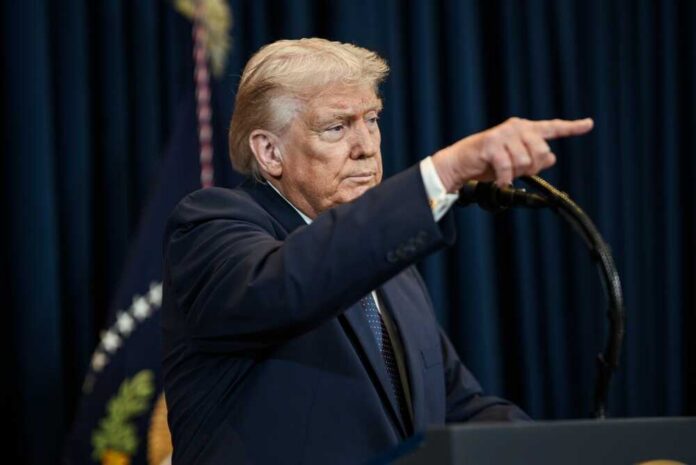
President Donald Trump announced an expansion of his Most Favored Nation drug pricing initiative on Monday afternoon from the White House.https://t.co/44gRCb9yUj
— ABC 13 News – WSET (@ABC13News) September 1, 2026
Some previously reported company agreements have three-year terms, which means the administration will need to keep pressing renewals and expansions to maintain long-run gains.
Earlier wire reporting shows that the policy architecture already included elements like tariff exemptions and TrumpRx.gov direct sales, suggesting the government built tools to sustain and enforce the model over time.
The new nine-company round builds on that base, widening participation and signaling that firms across sizes are lining up under the same pricing guardrails.
Why This Matters To Your Family Budget
American families have carried the burden of inflated drug prices for years while navigating high energy bills and grocery costs. Tying prices to what other developed nations pay puts patient priorities first and reins in a system that too often favored middlemen.
President Trump’s team is pushing a clear, simple rule: Americans should not pay more than peers abroad for the same medicine. With 26 companies now on board, more drugs are coming into reach for seniors, veterans, and working parents.
Sources:
washingtontimes.com, pharmexec.com, whitehouse.gov, amcp.org, statnews.com, thegatewaypundit.com