

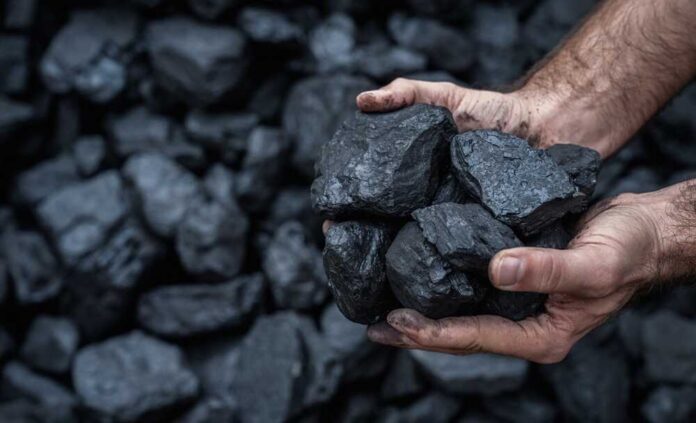
President Trump has designated coal as a “critical mineral” while unleashing $625 million in federal subsidies and opening 13.1 million acres of federal land for mining in the most aggressive pro-coal policy shift in decades.
Story Highlights
- The Trump administration allocates $625 million in direct federal subsidies for coal-fired power plants.
- Coal formally designated as “critical mineral” under Executive Order, expanding federal protections.
- 13.1 million acres of federal land were opened for coal mining leases in an unprecedented expansion.
- EPA ordered to roll back wastewater and air quality regulations targeting the coal industry.
Trump Unleashes Federal Support for Coal Revival
The Trump administration has launched the most comprehensive federal intervention to revive America’s coal industry in modern history. Through Executive Order 14241 issued in March 2025 and subsequent amendments in April, President Trump formally elevated coal to “critical mineral” status, triggering extensive regulatory relief and direct federal funding. The Department of Energy, Interior, and EPA jointly announced in September a sweeping package that includes $625 million in subsidies for coal-fired power plants and plans to open vast federal territories for mining operations.
Trump eyes looser restrictions, funds for coalhttps://t.co/GkkDP189GI
— The Hill (@thehill) September 30, 2025
This bold policy reversal directly confronts the market forces and regulatory pressures that have devastated coal communities across Appalachia and the Midwest over the past two decades. The administration frames these actions as essential for national security and grid reliability, particularly as electricity demand surges from artificial intelligence data centers and renewed manufacturing. Unlike previous efforts that faced regulatory rejection, this comprehensive approach uses executive authority to bypass traditional market-based objections.
Massive Federal Land Opening Sparks Industry Optimism
The Interior Department’s commitment to lease 13.1 million acres of federal land for coal mining represents an unprecedented expansion of domestic energy production. This massive land release dwarfs previous coal leasing programs and signals the administration’s determination to restore America’s position as a global coal powerhouse. Mining companies that have struggled with depleted reserves and restricted access now face a bonanza of new opportunities across federal territories.
Industry leaders view this land opening as validation of their long-standing argument that federal restrictions have artificially constrained domestic energy production. The scale of available acreage could support decades of mining operations, providing the long-term certainty that companies need for major capital investments. Coal-dependent regions that have suffered devastating job losses during the Obama and Biden years now have genuine hope for economic revival.
Regulatory Rollbacks Target Environmental Restrictions
The Environmental Protection Agency has received clear directives to dismantle the regulatory framework that coal advocates argue has strangled the industry. Wastewater treatment requirements, air quality standards, and land use restrictions face significant delays and modifications designed to reduce compliance costs for coal operators. These regulatory changes complement the direct subsidies by addressing the dual challenge of operational costs and environmental compliance burdens.
Environmental groups, led by organizations like Earthjustice, have already signaled their intention to challenge these rollbacks in federal court. However, the administration’s comprehensive approach and formal designation of coal as a critical mineral strengthen the legal foundation for these policy changes. The simultaneous coordination across multiple agencies demonstrates a level of planning and commitment that previous pro-coal efforts lacked.
Economic Reality Meets Political Determination
Critics argue that no amount of federal support can overcome the fundamental economic disadvantages that natural gas and renewable energy hold over coal. Grid analysts warn that forcing utilities to maintain aging coal plants could cost customers billions annually while providing questionable reliability benefits. These concerns reflect the ongoing tension between political objectives and market realities that have consistently challenged pro-coal policies.
However, the administration’s supporters contend that energy independence and grid stability justify federal intervention, especially given the strategic importance of domestic energy production. The formal critical mineral designation provides policy tools that previous efforts lacked, potentially overriding traditional cost-benefit analyses. Coal industry executives argue that regulatory relief and direct support will enable technological improvements and operational efficiencies that can restore competitiveness.
The success of this ambitious coal revival will ultimately depend on whether federal support can overcome decades of market-driven decline. For coal communities that have endured plant closures and mine shutdowns, these policies represent the most significant federal commitment to their economic future in a generation. The administration’s willingness to deploy unprecedented federal resources signals a determination to reverse coal’s fortunes regardless of conventional economic wisdom.
Sources:
Earthjustice Responds to Trump Administration Coal Industry Giveaways
Reinvigorating America’s Beautiful Clean Coal Industry