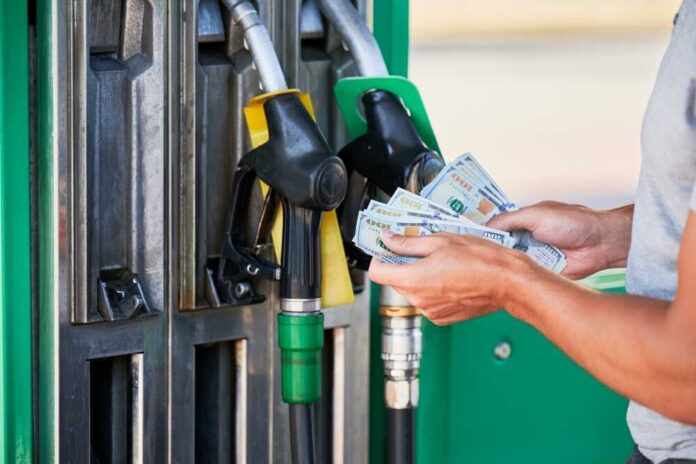
Gas above $4 and a war-choked oil lane pushed Americans’ confidence to a seven-month low.
At a Glance
- U.S. average gasoline topped $4 per gallon, the highest since 2022.
- Consumer confidence slid to a seven-month low as pump prices stayed elevated.
- The Iran conflict and threats to the Strait of Hormuz raised supply risks.
- Analysts tied crude jumps to quick pass-through at the pump and into sentiment.
Gas Breaks $4, And Households Feel It Fast
American Automobile Association data showed the national average price for regular gasoline rose above $4 per gallon this spring and again mid-summer, marking levels not seen since 2022. One crossing came at about $4.02 near the end of March, as the conflict intensified.
Another came in July near $4.00 amid renewed fighting. A national average hides big gaps by state, but the $4 headline number is the signal most people notice first.
US consumer confidence fell in August to the worst since the start of the year as the Conference Board’s gauge of confidence decreased 0.8 points to 89.4 after a downward revision to the prior month.
Michael McKee breaks down the data https://t.co/UIpvGyizTu pic.twitter.com/1jJgBHsXLs
— Bloomberg TV (@BloombergTV) August 25, 2026
Retail gasoline works like a billboard for inflation. Drivers see the price on every corner, and they update their mood right away. Reporters and analysts described a clear path from crude spikes to pump prices and then into household expectations.
That path starts with risk premiums on oil due to the Iran conflict, moves through refining and distribution, and ends with a higher swipe at the station and a lower read on confidence.
Conflict Pressures The World’s Oil Chokepoint
Coverage tied the price surge to turmoil around the Strait of Hormuz, where a large share of seaborne oil moves each day. Renewed hostilities increased fears of supply disruption, insurance costs, and shipping delays through this narrow route.
Those risks raised oil prices and flowed into U.S. retail gasoline costs. Reuters detailed how the conflict and refinery outages pushed pump prices near four-year highs during the spring.
Analysts highlighted the mechanics behind the moves. They explained that each sustained rise in crude adds cents to the gallon over coming days and weeks, depending on inventories and regional supply.
When ships slow or reroute, refiners pay more for inputs, and distributors pass along costs. That pass-through shows up quickly at the station because gasoline turns over fast. Consumers do not need a chart to notice a dollar more on a fill-up.
Confidence Slides As Pump Prices Stay High
The consumer-confidence index fell to its weakest level in seven months while gasoline hovered above $4. ABC News reported the decline and tied it to the run-up in fuel costs that followed the conflict’s escalation. The timing matched what many households felt.
When a tank costs more, families cut back on dining out, travel, and small extras. That squeeze hits lower and middle incomes hardest, which can pull the overall index down faster.
Past research and broad reporting back up the link between gasoline levels and sentiment. Studies show retail gasoline prices have a stronger impact on confidence than crude alone because people pay at the pump every week, not on a futures screen.
Reuters and others described the familiar one-two effect: energy shock, then mood drop. The scale this spring was clear, with prices more than a dollar higher than before late-February fighting and confidence softening soon after.
What Matters Now For Households And Policy
Households want two things: relief at the pump and clarity about the road ahead. Rapid swings in gasoline feed fear that the next trip will cost even more. That fear can slow spending. Common-sense policy aims at supply, reliability, and clear communication.
Keep domestic refining steady, streamline shipping and pipeline bottlenecks, and signal resolve to keep global oil lanes open. Those steps align with secure trade routes, robust energy capacity, and predictable costs.
Families cannot hedge a commute. They also cannot plan a vacation when a gallon jumps week to week. Confidence improves when prices ease and stay stable. Media reports showed that when gas retreated earlier in the year, confidence ticked up.
When it climbed past $4, confidence slipped again. The pattern is not subtle, and it is actionable. Get more barrels to market. Keep refineries running. Cut red tape that slows maintenance and seasonal blends. People notice steady prices right away.
Bottom Line
Gasoline above $4 is more than a price point; it is a pressure point. The Iran conflict raised risks through the Strait of Hormuz, crude rose, and American drivers paid more.
Confidence fell to a seven-month low as that squeeze lingered. The fix begins with supply and stability. Protect chokepoints, reduce domestic bottlenecks, and keep costs predictable. When the price boards calm down, Main Street does too.
Sources:
forbes.com, reuters.com, cnbc.com, apnews.com, bloomberg.com, bushcenter.org