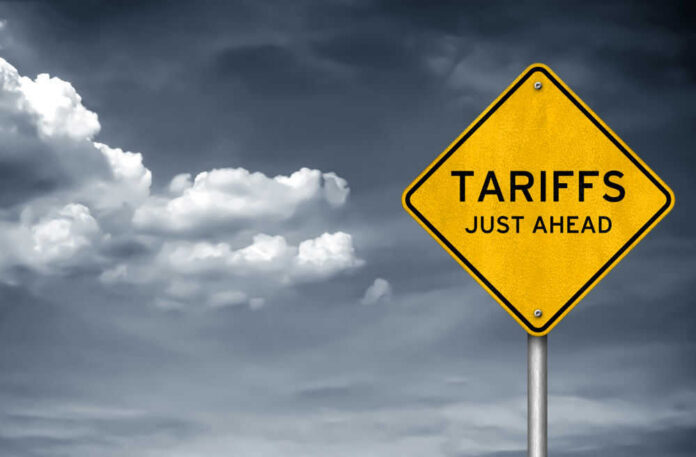
Canada moved first thing March 4, 2025, slapping 25 percent tariffs on a $30 billion basket of U.S. goods—and signaled more to come.
Story Snapshot
- Canada imposed 25% tariffs on an initial $30 billion of U.S. imports, effective March 4, 2025.
- Perfumes and toilet waters appear on the official tariff list.
- Ottawa tied the move directly to U.S. tariffs and vowed to match until they are lifted.
- A second tranche near $29.8 billion followed in mid-March, showing a phased rollout.
Canada’s Tariffs Land With A Clear Message
Canada’s Department of Finance set a 25 percent tariff on a defined list of U.S. goods at 12:01 a.m. on March 4, 2025. The government framed the move as a direct response to U.S. trade actions and said the measures would remain until Washington removed its tariffs on Canadian products.
Prime Minister Mark Carney linked the steps to U.S. actions the same day, locking in the tit-for-tat posture that trade playbooks predict once one side moves first.
The official list matters because it shows how Ottawa targeted visibility over volume. Perfumes and toilet waters are on the list by name, the kind of shelf item regular shoppers notice at the register. That is not an accident.
Retaliation often aims at products that catch attention in key regions while trying to spare inputs that domestic producers need to stay competitive. The design is part politics, part pressure, and it rarely stays static for long.
Phased Retaliation And A Growing Basket
The March 4 action was only the opening round. Canada flagged a larger plan covering up to $155 billion in imports, with the first $30 billion live right away and more to follow.
Reporting on March 4 and March 12 pointed to an added C$29.8 billion taking effect around March 13, confirming a phased cadence rather than a one-and-done shock. That approach gives officials room to dial pressure up or down as talks evolve and as industry feedback rolls in.
Later coverage captured how the basket widened over time. Reports in 2026 describe dairy products, beauty products including perfumes, and golf clubs facing steep rates, in some cases 50 percent.
Those stories reflect the evolution of the list and the politics around it, not a single-day switch. The through-line is stable: Canada matched U.S. moves and kept the hammer raised until the United States stepped back.
What This Means For Shoppers And Sellers
Tariffs are taxes. Importers pay first, then try to pass costs along. A 25 percent surcharge on retail-facing goods rarely hides for long. A small perfume importer in Toronto or a golf shop in Calgary must decide: hold price and eat margin, or raise tags and risk sales.
Many split the pain. Some switch suppliers, but country-of-origin rules and brand loyalty limit quick exits. Over months, higher prices trim demand, and orders shrink. That is how retaliation bites.
BREAKING REPORT: Canada IMPOSES retaliatory tariffs of up to 50% on multiple goods.
Canada's tariffs range from 15% to 50%.
American milk, perfume, video game consoles, golf clubs, fishing rods, steel, aluminum, jackets and T-shirts will face 50% tariffs.
Cheese, carpets…
— Chuck Callesto (@ChuckCallesto) September 8, 2026
Common sense says do the math before swinging. Targeted tariffs can force talks, but they also land on your neighbors, your own exporters, and your shoppers.
The macro playbook backs that up: retaliation cycles raise prices, sap confidence, and drag on growth when both sides dig in. Wins can look clean on paper, but at the checkout line and in factory schedules, costs pile up fast. The longer the fight, the broader the bill.
Sources:
cbsnews.com, reuters.com, halifax.citynews.ca, canada.ca, ey.com, fas.usda.gov