
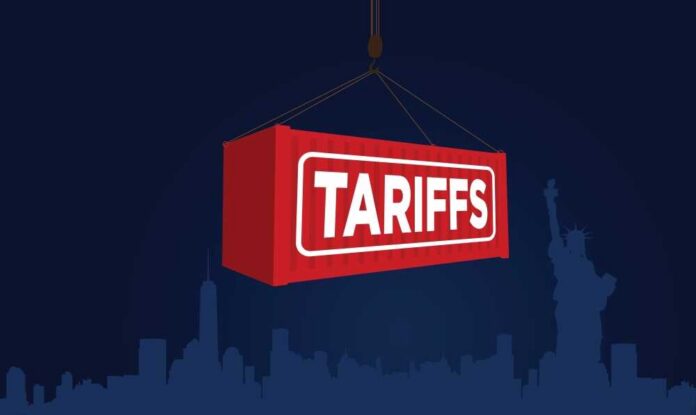
Canada answered Washington’s tariff punch with a “dollar for dollar” counterstrike and a firm date to hit back.
Story Snapshot
- Prime Minister Mark Carney announced retaliatory tariffs to match new U.S. duties “dollar for dollar.”
- Canada set the measures to start after Labor Day, on September 8.
- Targeted sectors include steel, dairy, appliances, farm equipment, pulp and paper, and electronics.
- The move responds to U.S. tariffs ordered by President Trump in July.
Canada Sets a Clear Line and a Clear Date
Prime Minister Mark Carney told Canadians the counter-tariffs are coming and will match U.S. measures “dollar for dollar.” He set the start for after Labor Day, putting a clock on the response and a warning on supply chains.
Major consumer and industrial categories are on the list, signaling pressure across factories and stores. The plan follows the breakdown in talks and a firm rejection of the U.S. offer, which Ottawa said it could not accept.
Carney’s team pointed to a familiar playbook: target goods that touch jobs, swing ridings, and well-known brands, not obscure parts. The sectors named—steel, dairy, appliances, agricultural equipment, pulp and paper, electronics—reach into Canadian mills, barns, and shop floors.
That spread builds political leverage. It also risks higher prices at home, which past research on the 2018 episode showed, but the government’s message is resolve first, negotiation second.
What Triggered the Retaliation
President Trump imposed additional tariffs on certain Canadian goods in July. The White House framed the move as a response to Canada’s discriminatory treatment of American products.
Ottawa framed its counter as a direct response to those actions, tied to value and aimed at protecting Canadian workers and businesses. The linked cause and effect is not subtle: Washington raised the cost; Ottawa plans to match the bill.
Canadian officials cut off faltering talks and called negotiators home. They said they would not accept the U.S. terms or grant the requested concessions. That step made the retaliation timetable more than a threat; it became policy on deck.
Ottawa has used this approach before. In 2018, Canada matched U.S. steel and aluminum duties and expanded to a basket of consumer goods to build pressure.
Canada hit back with retaliatory tariffs on about $20 billion worth of US annual imports and rolled out aid for businesses and workers, matching Washington's latest duties dollar-for-dollar https://t.co/D3omUwWked pic.twitter.com/kY9Ok9ayqp
— Reuters (@Reuters) August 26, 2026
How the Tariffs Hit Households and Plants
Steel tariffs can lift the price of cars, buildings, and farm tools. Dairy measures can raise costs for processors and shoppers. Appliance and electronics tariffs can hit big-box stores and online sellers. Farm equipment and pulp and paper reach into prairie dealers and eastern mills.
The pain does not fall in one place. That spread is the point: it puts phone calls into lawmakers’ offices on both sides of the border, which is how tariff fights move.
Canada announces retaliatory tariffs on U.S. goods starting Sept 8. "Dollar-for-dollar" response to Trump's 50% tariffs. Carney: "Because we were attacked." 📌 Sources: Al Jazeera, Bernama #Canada #US #TradeWar #Tariffs #MarkCarney #SeptentriaNews pic.twitter.com/I4ywondyWT
— Septentria News (@SeptentriaNews) August 26, 2026
Principles favor fair, reciprocal trade and strong borders. Reciprocity is trade’s golden rule: treat us fairly, and we treat you fairly. When a partner hikes tariffs, an equal response is leverage, not a forever plan.
The goal should be a negotiated endgame that lowers barriers and restores predictability. That outcome protects workers, defends sovereignty, and keeps families from paying hidden taxes at the checkout line.
What to Watch Next
Supply chains will begin rebooking shipments ahead of the September 8 start date. Retailers may accelerate imports or seek substitutes. Manufacturers could hedge by maintaining extra inventory or using alternative suppliers.
The first clean reads will show up in customs data, then in monthly inflation reports. Both governments have signaled toughness, but tariff wars end at the table. The fastest off-ramp is narrow: targeted exemptions, sector deals, and a staged rollback tied to compliance.
Sources:
youtube.com, cnbc.com, reuters.com, theglobeandmail.com, en.wikipedia.org, mlex.com