
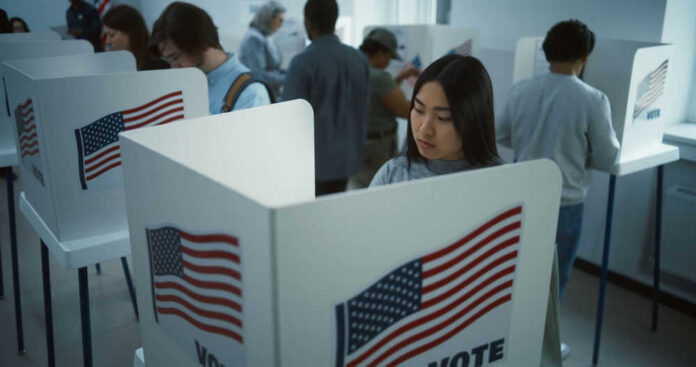
A Jamaican man living in New Jersey voted in American elections for 22 straight years without ever becoming a citizen.
Quick Take
- Immigration and Customs Enforcement (ICE) arrested Antonio Mitchell, 54, a Jamaican lawful permanent resident, on October 28, 2026.
- Federal agents say Mitchell registered and voted in federal, state, and local elections between 2000 and 2022.
- Court papers allege he lied about his citizenship on a New Jersey voter form and again denied voting during a 2026 interview.
- The Justice Department rolled his case into a nationwide sweep charging 63 people with election-related crimes.
What Federal Agents Say Happened In New Jersey
Homeland Security Investigations, working with the Federal Bureau of Investigation (FBI) and U.S. Citizenship and Immigration Services (USCIS), built a case against Mitchell over alleged voting activity spanning more than two decades. ICE says he registered and cast ballots in multiple federal primary and general elections from 2000 through 2022, all while holding only lawful permanent resident status, not citizenship.
JAMAICAN NATIONAL ARRESTED FOLLOWING 22 YEARS OF ALLEGED ILLEGAL VOTING
ICE arrested Antonio Mitchell, a Jamaican national and lawful permanent resident accused of illegally voting in U.S. elections between 2000 and 2022, despite NOT being an American citizen.
Mitchell…
— U.S. Immigration and Customs Enforcement (@ICEgov) November 3, 2026
That 22-year window covers roughly a dozen federal election cycles. It means Mitchell allegedly cast ballots through five different presidential administrations before agents ever caught up with him. The sheer length of the alleged scheme is what separates this case from a single mistaken registration.
The Paper Trail Prosecutors Point To
A federal criminal complaint lays out two specific moments investigators call key evidence. In 2012, Mitchell allegedly registered to vote in New Jersey and falsely swore under oath that he was a United States citizen. Then on January 31, 2025, when asked directly whether he had ever registered or voted in any election, he reportedly answered no.
Investigators say the denials did not stop there. During an ICE interview on March 25, 2026, Mitchell again denied ever registering or voting, according to the complaint described in reporting on the case. Prosecutors argue that pattern of repeated denials, paired with the original false citizenship claim, points to knowing deception rather than confusion about the rules.
How The Charges Fit Into A Bigger Federal Push
The Department of Justice lists Mitchell among defendants facing charges of voting by an alien, unlawfully attempting to procure citizenship, and making false statements during the naturalization process. His case was announced alongside charges against 63 people nationwide, part of a broader Trump administration effort to identify noncitizens who voted in American elections.
That effort has produced more than 180 charges since the administration began its push, according to tracking cited by outside reviewers. But those same reviews note the cases remain scattered rather than evidence of an organized scheme, and that charges are not convictions. Mitchell, like others named, is accused. No trial verdict has been reported in his case.
Why Scale Matters More Than Headlines Suggest
Context matters here. One review of Washington state found only 15 noncitizen voting prosecutions between 1982 and 2025, representing about 0.000006 percent of all ballots cast in that state. Numbers like that show individual cases of alleged noncitizen voting are real, but they do not support claims of widespread fraud tipping election outcomes nationwide.
Still, rarity does not make an individual case less serious. If someone swore a false oath of citizenship to register, then voted for 22 years, then lied to federal agents about it twice, that is not a clerical error. It is the kind of conduct the law exists to punish, and the public has every right to expect answers through the courts rather than spin.
What Comes Next For Mitchell And Similar Cases
Mitchell’s case now moves toward the federal court system in New Jersey, where prosecutors must prove the charges beyond a reasonable doubt. The underlying voter registration records, naturalization paperwork, and interview transcripts will likely surface as evidence if the case proceeds to trial. Until then, the specific vote-by-vote history behind the 22-year figure remains part of the government’s case file.
Lawful permanent residents enjoy real benefits in America, including the ability to live and work here permanently. Voting is not one of those benefits, and the law draws that line clearly. Cases like Mitchell’s test whether that line gets enforced consistently, regardless of how long someone has lived in the country or how the timing of an arrest lines up with an election calendar.
Sources:
nypost.com, jamaicaobserver.com, pix11.com