
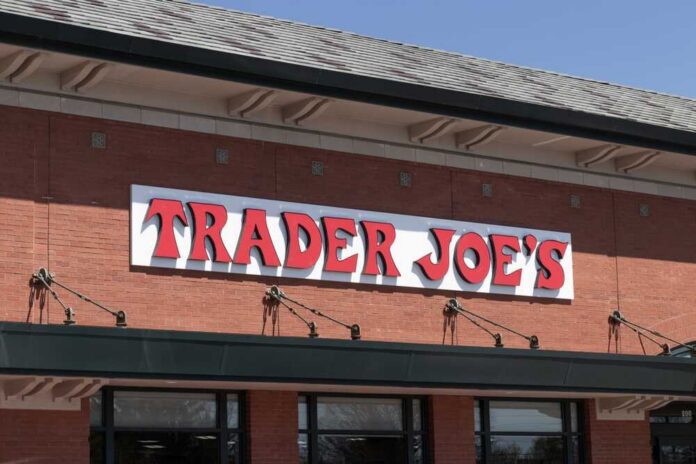
South Korea’s latest crackdown on Trader Joe’s Everything but the Bagel seasoning shows how a grocery item can turn into a narcotics case at the border.
Quick Take
- Police said the seasoning tested positive for morphine and codeine through the National Forensic Service.
- Seoul police worked with the Karrot marketplace to block sales and display a transaction restriction notice.
- Authorities booked a seller on suspicion of violating South Korea’s Narcotics Control Act.
- The item has been restricted in South Korea since 2022, so this is part of a longer enforcement pattern.
What Police Said Happened
Seoul’s Mapo Police Station said the seasoning was being sold online in South Korea and moved quickly to stop it. Police said the National Forensic Service found trace narcotic substances in the product, and they tied the case to poppy seeds in the blend. Police asked Karrot to remove related posts and warn users that the item could not be sold.
South Korean police crack down on popular Trader Joe's seasoning after controlled substances detected https://t.co/1mbMRpFuYb
— FOX Business (@FoxBusiness) August 8, 2026
That matters because the case was not treated as a rumor or a minor platform dispute. Police booked the seller on suspicion of violating the Narcotics Control Act, which gives the story legal force inside South Korea’s system. The enforcement was also public and visible, with transaction warnings meant to block future listings before they spread further.
Why a Spice Blend Became Contraband
The core issue is the poppy seed content. Multiple reports say South Korea treats food products containing poppy seeds differently from the United States, where the seasoning is sold as a common grocery item.
A police official said that a product can be legal overseas and still count as a narcotic substance or prohibited import in Korea. That is the key rule readers need to understand.
In plain terms, South Korea is not arguing that the seasoning looks suspicious. It is saying the ingredients matter more than the brand name or the snack-food image. That is why the same jar that feels harmless in a kitchen drawer can trigger a police response in Seoul or at Incheon Airport.
The Enforcement Pattern Is Older Than This Week’s Headlines
This was not the first time the seasoning ran into trouble in South Korea. The New York Times reported in 2024 that South Korea had already banned or restricted the product, and reports said the country has prohibited it since 2022. That history turns this from a one-day crackdown into a continuing border-control problem.
That longer timeline also explains the sharp tone of the response. Once authorities label a product as carrying regulated plant-derived compounds, they tend to treat later sales as repeat violations, not fresh surprises. For travelers and resellers, that means “I did not know” may not buy much mercy once the item crosses into South Korean jurisdiction.
What Is Still Unclear
A National Forensic Service report is not available, so the exact test method and quantities are not public yet. Whether the detected compounds came from the recipe itself or from contamination tied to poppy seed handling is still unknown. That gap matters for scientists, but it does not erase the enforcement action already taken by police.
The lesson is straightforward. A product can be ordinary in one country and restricted in another, especially when food and drug law overlap.
South Korea has chosen a strict line on poppy-seed products, and police have now shown they are willing to enforce it against both online sellers and travelers carrying the seasoning back as a souvenir.
Sources:
foxbusiness.com, cleveland.com, en.yna.co.kr, reddit.com