A sunny lakeside dinner turned fatal in seconds when a patio umbrella at a South Carolina restaurant became a wind‑driven spear.
Story Snapshot
- A woman dining at Driftwood Grill Home of the Lazy Gator was killed when a patio umbrella blew loose in a sudden wind gust.
- Officials say the death is being investigated as an accident linked to severe weather, not yet as proven negligence.
- The case exposes the gray area between “freak accident” and a business’s duty to protect patrons from foreseeable hazards.
- Similar tragedies raise hard questions about personal responsibility, weather risks, and premises liability in an increasingly storm‑tossed America.
How a lakeside meal became a deadly wind event
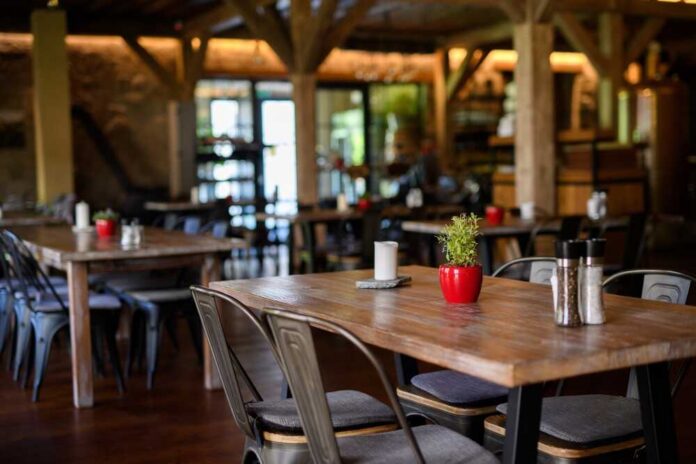
Memorial Day weekend at Lake Marion in Summerton, South Carolina, offered the script most people know by heart: warm weather, water views, and patio dining at a local favorite, Driftwood Grill Home of the Lazy Gator.[1]
The victim and her husband sat outside on the restaurant’s patio when, according to the Clarendon County Coroner’s Office, a sudden strong wind blew an umbrella from a table, striking her in the head and neck area.[1]
First responders found her unresponsive with severe lacerations; she was pronounced dead at the scene.[1]
Diner killed by flying umbrella in freak accident at South Carolina restaurant https://t.co/98Yz4K7Gp1 pic.twitter.com/MMl9doEVJy
— New York Post (@nypost) May 26, 2026
The coroner’s office has stated that the death is being investigated as an accident, underscoring the role of abrupt severe weather rather than immediately pointing to human fault.[1]
The restaurant itself confirmed the tragedy occurred during a “sudden severe weather event at Lake Marion,” reinforcing the picture of a calm evening instantly flipped by nature’s force.[1][2]
For the family, that nuance does not change the outcome: a routine dinner ended in irreversible loss in the span of a few gusts of wind.
Accident, negligence, or something in between?
Clarendon County authorities currently frame the case as an accidental death, which matters because it sets the default public narrative.[1] When officials label something an accident, most people mentally close the file: tragic, rare, unpredictable.
Yet the mechanism here involved a patio umbrella, a movable fixture that the restaurant chose, placed, and maintained, not a random tree branch snapping off miles away. The law often asks whether the hazard was foreseeable and manageable, even during strong winds.[1]
The public usually hears about “freak accidents,” but courts quietly sort these cases into categories: unavoidable act of God, or preventable hazard that should have triggered precautions. In premises liability, the restaurant owes customers a duty to keep the property reasonably safe, including securing outdoor fixtures or changing operations when conditions become dangerous. That framework does not disappear just because the trigger was wind rather than a drunk driver or a loose floorboard.[1]
What we know, what we do not, and why it matters
So far, the factual record in news reports is thin where lawyers would want it to be thick. Stories describe a sudden strong wind, a patio umbrella blowing loose, severe head and neck injuries, and an ongoing investigation.[1]
What they do not yet show is whether staff received prior weather warnings, whether umbrellas were properly anchored, or whether anyone considered closing the patio as conditions changed. Without coroner files, engineering reviews, or incident reports, the case lives in a fog of partial information.[1]
From this perspective, people understand that nature will sometimes win. Businesses built next to a large lake in storm‑prone South Carolina know that gusty weather is not a rare surprise.
The key question becomes whether a reasonable operator would have done more: heavier bases, mandatory umbrella closures above certain wind speeds, or moving guests indoors when storm cells approach. Until official records and potential civil filings surface, any firm claim of negligence would outrun the documented facts.
Weather risk, personal responsibility, and community memory
This story also speaks to how communities process rare tragedies. Local restaurants often function as informal town squares; when something terrible happens, residents instinctively protect both the grieving family and the familiar business. Early coverage tends to emphasize the bizarre and heartbreaking nature of the event rather than draw sharp lines about fault.[1]
There is also the personal side: every adult who chooses an outdoor table on a windy day makes a small gamble, usually without thinking. Conservative values place real weight on individual judgment and acceptance of life’s inherent risks.
At the same time, basic fairness expects businesses to take obvious, low‑cost steps to prevent preventable harm. Trying to keep both truths in view is uncomfortable but necessary if communities want to learn from what happened rather than just move on.
Sources:
[1] Web – Woman killed by flying umbrella at Driftwood Grill – Atlanta – WSB-TV
[2] Web – Woman killed by patio umbrella while dining at South Carolina …