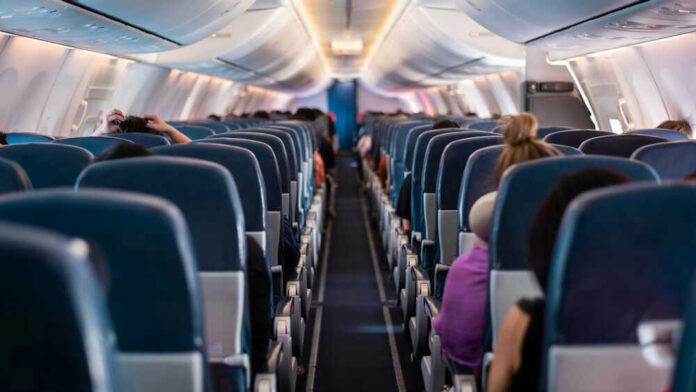
WestJet’s new policy threatens to redefine air travel comfort by charging passengers to recline seats on new Boeing 737 flights.
Story Highlights
- WestJet introduces fees for reclining seats on new Boeing 737 aircraft.
- Policy marks a shift in airline seating practices, sparking concerns among passengers.
- Reflects broader airline industry trend toward unbundling and ancillary revenue.
- The potential regulatory and competitive impacts have yet to be seen.
WestJet’s Controversial Fee Introduction
WestJet, a significant player in North America’s airline industry, has initiated a new policy charging passengers extra to recline their seats on select new Boeing 737 aircraft. This decision, announced in early October 2025, represents a significant shift in airline practices.
Traditionally, reclining seats have been a standard feature of air travel, included in the ticket price. WestJet’s move reflects a broader industry trend toward unbundling services and generating additional revenue through ancillary fees.
Industry Trends and Passenger Reactions
The introduction of recline fees aligns with the airline industry’s growing practice of monetizing amenities that were once free. Over the past two decades, airlines have begun charging for checked bags, seat selection, and onboard services.
WestJet’s decision to charge for seat reclining is seen as an escalation of this trend. The public and media reacted swiftly to the announcement, with passengers expressing dissatisfaction over the added costs. As of now, there is confusion about how these charges will be implemented.
WestJet now charges passengers to recline seats on new Boeing 737 flights https://t.co/PhHDE6xjao
— FOX Business (@FoxBusiness) October 8, 2025
Implications and Future Outlook
In the short term, WestJet’s new policy may lead to passenger dissatisfaction and media scrutiny. However, it could also pave the way for other airlines to adopt similar measures, potentially normalizing pay-to-recline fees industry-wide.
The long-term implications might include regulatory reviews and consumer advocacy campaigns if fees are perceived as excessive. The competitive response from other airlines remains to be seen, as they will likely monitor passenger feedback and adapt their strategies accordingly.