
About six in ten Americans say the coming elections will be run fairly, even as many doubt Trump would accept a loss.
At a Glance
- Most Americans trust election administration; fewer trust candidate reactions to losses.
- A former White House attorney says Trump could cite an “election emergency”.
- Seven in ten Americans doubt Trump would accept midterm losses for Republicans.
- January 6 findings document a prior refusal to accept defeat and peaceful transfer.
Public Confidence Splits: Trust the Process, Worry About Aftermath
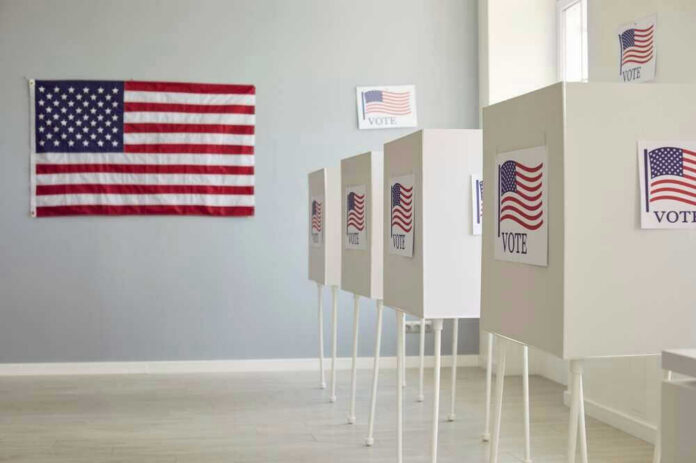
An ABC News/Washington Post/Ipsos survey found that about six in ten Americans are confident the midterm elections will be conducted fairly and accurately. The same research shows most adults doubt Donald Trump would accept a loss for Republicans, should that happen. This split matters. Voters trust state and local officials to count votes. They worry that national figures could refuse to accept the result. Both ideas can be true at once, and the data says they are today.
The concern is not abstract. The January 6 committee’s final report said Trump refused his constitutional duty to transfer power peacefully and kept pushing fraud claims after courts and his own advisers rejected them. That is the record, not a hunch. The committee’s work draws a straight line from dozens of failed lawsuits to pressure on officials. Americans saw that play out on live television. Poll answers now reflect that memory when people judge the risk of another refusal.
What Ty Cobb Says Could Happen Next
Former Trump White House attorney Ty Cobb told PBS NewsHour that Trump’s messaging could build a case to declare an emergency around the election. Cobb also said Trump wanted to seize voting machines in 2020, but then–Attorney General Bill Barr told him there was no basis for it. Cobb described talk of federal personnel near polling places and even the National Guard. He framed these as possibilities, not confirmed plans, but tied them to named allies and prior discussions.
Cobb’s scenario sits inside a larger pattern. National leaders float claims of fraud. Loyal media amplifies them. Local officials face pressure during certification. In 2022, some county boards in several states delayed certification, and courts or state officials forced action after brief standoffs, according to reporting on those episodes. The rule of law held, but it required judges, secretaries of state, and public pressure. That is a guardrail, not a luxury.
Why Six in Ten Still Trust the Count
Americans know their local systems. They see bipartisan poll workers, paper ballots in many places, and audits. They also know that state laws set clear steps for counting, canvassing, and certification. Those steps worked in 2020 and 2022 amid heavy strain. That steady record likely drives the six-in-ten confidence number. People can respect the referees and still brace for a protest on the sidelines. The survey reflects both instincts at once, with a sober center of gravity.
The January 6 committee’s report adds context to that confidence. It shows how officials resisted pressure and followed the law, from state leaders to courts to Congress completing the count. The report also states Trump was the central driver of the pressure campaign. That twin story—institutions held, but only after intense strain—helps explain why voters trust the process yet expect challenges after the buzzer. It is not cynicism. It is pattern recognition backed by the record.
How Conservative Principles Weigh the Claims
Limited government and federalism point to a clear view: states run elections; Washington does not commandeer them. Calls to seize voting machines or send federal agents to polling places under a broad “emergency” stretch both the law and common sense. Cobb’s account places those ideas on the table as discussed options in Trump’s orbit. Conservatives who prize law and order can back strong, transparent counts while rejecting any federal overreach that chills lawful voting or state authority.
That approach pairs two simple rules. Count every legal ballot under state law. Certify on time once the count is done. If someone has evidence of fraud, bring it to court and prove it with facts. The January 6 report shows what happens when pressure tries to replace proof. The new polling shows Americans want the opposite: quiet duty, clean counts, and mature acceptance of the scoreboard. Six in ten believe they will get it. Many worry some leaders still do not.
Sources:
abcnews.com, pbs.org, dnyuz.com, govinfo.gov