
A Florida man says beef, salt, and water erased decades of pain and despair — and his photos aim to prove it.
Story Snapshot
- Stephen Lashbrook says a strict “lion diet” cleared severe psoriasis and lifted long-term depression.
- He says he fully committed on Jan. 1, 2024, after cutting sugar and processed foods first.
- Clinicians caution that testimonials are not clinical proof; research on this diet is lacking.
- Diet and mood links exist, but evidence strength and quality vary across studies.
What Lashbrook Claims Changed — And When
Stephen Lashbrook, a 50-year-old from Florida, said he lived with psoriasis over most of his body, joint pain, and depression for decades. He says that changed after he adopted the “lion diet,” which allows only ruminant meat, salt, and water.
He reports that once he committed on Jan. 1, 2024, his skin cleared and his depression lifted, with no suicidal thoughts since then. The lion diet’s basic rules match its own guide: beef or similar meats, salt, and water only.
Lashbrook’s timeline follows a pattern that diet promoters describe: remove sugar and ultra-processed foods first, then tighten to ruminant meat only.
He shared his story on podcasts and videos, framing the diet as a last resort after rejecting immune-suppressing drugs with side effects he feared. His core claim rests on lived experience. He ties relief from pain, clear skin, and stable mood to the shift to fatty red meat and nothing else.
Man says meat-only 'lion diet' cleared psoriasis covering 90% of his body, ended decades of depression https://t.co/tXXeWQzagv
— Inspector Clueso (@IClueso) September 17, 2026
What The Diet Is — And What It Cuts Out
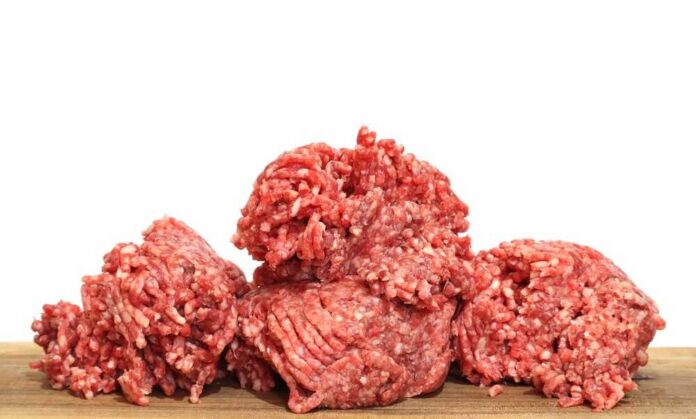
The lion diet is an extreme elimination diet. It includes only meat from ruminant animals like cows and lamb, plus salt and water. It cuts vegetables, fruit, grains, dairy, eggs, chicken, pork, fish, oils, spices, and sweeteners — everything else.
Advocates argue this narrow menu reduces immune triggers and calms inflammation. The official guide asserts that skin problems like psoriasis often improve within weeks to months for many people who follow it strictly.
Elimination diets can help spot triggers. The lion diet pushes this further by removing nearly all variables. That rigidity creates a clean test for some people.
It also raises obvious concerns: fiber intake drops to zero, vitamins A, C, K, folate, and many minerals can fall short without planning, and long-term cardiovascular and gut effects remain unclear.
Doctors Push Back: Anecdote Is Not Evidence
The Cleveland Clinic states that the lion diet lacks clinical research and experts do not recommend it because its claims are mainly testimonials, not trial data.
A New York City internist, Dr. Michael Aziz, says feeling better after cutting sugar and ultra-processed food does not prove that an all-meat diet treats psoriasis or other chronic diseases.
A Florida man says he was 90% covered in psoriasis, battling depression since age 4 and on the verge of giving up — until he switched to an extreme "lion diet" of nothing but ruminant meat.
Stephen Lashbrook, 50, told Fox News Digital that within a week of committing to the… pic.twitter.com/FtvGGDdZTY
— Fox News Lifestyle (@FoxNewsLife) September 17, 2026
Health writers echo that gap, noting there are no specific studies on the lion diet and no medical body endorses it for any condition. That does not negate Lashbrook’s report.
It puts it in the right box: a single case of improvement that deserves curiosity, not blind copycats. A prudent approach respects individual freedom to try elimination diets while asking for labs, monitoring, and a plan to add foods back if risks rise.
What We Know About Diet And Mood
Diet and depression research shows signals but also limits. A recent review found that dietary interventions can improve depression scores, but many trials had low internal validity, making the exact size of the effect hard to trust.
Other reviews report improvements with whole-diet changes, though results vary by study design and measure. The pattern suggests food choices can help mood for many people, but it does not crown any single plan as a cure-all.
That context fits Lashbrook’s story. Cutting sugar and processed food, eating on a routine, reducing gut irritation, sleeping better, and losing pain can all lift mood. Weight changes and fewer flares can also help.
Whether beef-salt-water is the key, or the strict removal of triggers is the key, remains an open question that trials must answer. Until then, his win is his win — and it raises worthy research questions.
Practical Takeaways For Readers
Anyone considering an extreme elimination plan should talk to a clinician first. Ask for baseline labs, including iron studies, vitamin D, vitamin B12, folate, lipids, and kidney function. Plan follow-up checks.
Track symptoms in a simple log: skin photos, pain scores, mood ratings, sleep, and weight. If you feel better, don’t rush to add foods back. If you feel worse or labs slide, pause and reassess. Personal freedom pairs best with personal responsibility and data.
For psoriasis or depression, steady habits still matter: low sugar, real protein, quality sleep, sunlight, movement, and stress control. Those do not require a lion diet, but they do line up with its strict removal of junk.
Lashbrook’s story will energize some and worry others. The right response is simple: respect his results, demand better research, and make your own choice with eyes open and numbers in hand.
Sources:
foxnews.com, carnivore.diet, podcasts.apple.com, youtube.com, drbarbarajohnson.com, health.clevelandclinic.org