Prices rose faster in August, and the Federal Reserve now faces a simple question with costly answers.
At a Glance
- Consumer prices rose 0.4% in August and 3.4% over the past year.
- Core inflation, which excludes food and energy, advanced 0.3% in August.
- The report lands days before the Federal Reserve’s policy meeting.
- Inflation has stayed above the 2% goal for years, not months.
August CPI: A Hotter Month That Keeps Inflation Above Target
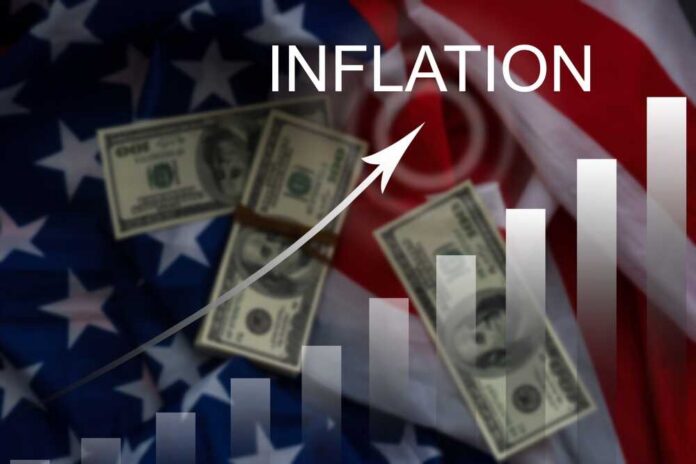
The Bureau of Labor Statistics reported that the Consumer Price Index rose 0.4% in August and 3.4% from a year earlier. Gasoline and services led the monthly gain. That yearly pace is well above the Federal Reserve’s 2% target, which means the inflation fight is not over.
The official Consumer Price Index homepage echoed the same figures and highlighted the step-up from July’s softer month. Markets expected firmness, but the data still tightens the policy screws.
Consumer prices rose 0.4% in August due largely to higher gasoline costs, bringing the annual inflation rate to 3.4% as the Federal Reserve prepares for its upcoming interest rate decision. https://t.co/3jShsGajZ9
— The Washington Times (@WashTimes) September 13, 2026
Core prices, which strip out food and energy swings, climbed 0.3% in August. That detail matters for rate-setters because it can show underlying pressure from rents, travel, and medical care.
Several outlets noted that core services stayed sticky, while airline fares and energy added heat on the margin. The release timing also focuses attention: the Labor Department set the August report for September 11, right before the Federal Reserve meets, keeping debate sharp.
Why This Report Matters Right Now
Households feel the compounding pain. A 3.4% annual rise on top of prior years means paychecks stretch less with each trip to the store. That is the quiet math behind “still elevated.”
The September policy meeting now weighs two paths: keep rates higher for longer to cool demand, or hint at relief and risk inflation settling above target. The second path sounds easy but courts a repeat of the 1970s stop‑and‑go mistake that punished savers and workers.
Officials and researchers have said this is not a quick overshoot. The Federal Reserve Bank of St. Louis noted that inflation moved above 2% in March 2021 and has stayed there since, a sign of a durable above‑target regime.
That frame turns each “hot” or “cool” month into a chapter, not the ending. When the base case is persistence, the burden shifts to policymakers to prove they can grind price growth back to goal.
What Is Driving Prices Under The Hood
Energy costs made a comeback, feeding through to transport and shipping. Services inflation, tied to wages and shelter, stayed firm. That pattern is not new. It is also why the Producer Price Index, a measure of earlier‑stage costs, nudged up 0.4% in August.
Goods rose 1.1% while services advanced 0.1%, hinting at some pipeline pressure that can pass to consumers if demand holds. None of this screams crisis, but it argues against victory laps.
Common sense says math beats spin: if inflation runs above target, policy should stay focused. The facts line up. The monthly Consumer Price Index came in hot, the yearly rate sits at 3.4%, and the schedule puts the report right in front of the Federal Reserve.
Calls to “declare mission accomplished” ignore the risk that prices keep ratcheting up each year. Families cannot hedge groceries. They need discipline from Washington, not excuses.
What To Watch As The Fed Meets
First, the statement’s wording on “progress” versus “risks.” A nod to lingering inflation pressure signals a longer hold. Second, any hint on balance sheet policy, which tightens financial conditions even without a rate move.
Third, projections for core inflation into year‑end. If officials shade those higher, they tell us they see what this report shows: getting from the mid‑3s to 2% is the hard mile, not the victory lap.
Last, watch how the Federal Reserve treats services and shelter. If they underscore stubborn rent measures and travel costs, they are bracing for sticky core readings.
That stance would align with the data and the long stretch above target flagged by Federal Reserve research and others.
The bottom line is simple enough to fit on a fridge magnet: 3.4% is not 2. The sooner policy admits that gap and acts with resolve, the sooner prices stop running ahead of pay.
Sources:
foxbusiness.com, bls.gov, economy.fedprimerate.com, stlouisfed.org