
Elon Musk’s “Gut gemacht!” praise drew a swift public thank-you from Germany’s AfD after a sweeping state election win that shook Europe’s political class.
Story Highlights
- Elon Musk congratulated AfD with “Gut gemacht!” after its state victory, prompting a public thank-you.
- AfD lead candidate Ulrich Siegmund tied his thanks to the election result in Saxony-Anhalt.
- Reports put AfD’s share near 44 percent in the state election, a landmark result.
- Past exchanges show AfD leaders have engaged Musk before, boosting online attention.
Musk’s Congratulatory Post And AfD’s Public Thanks
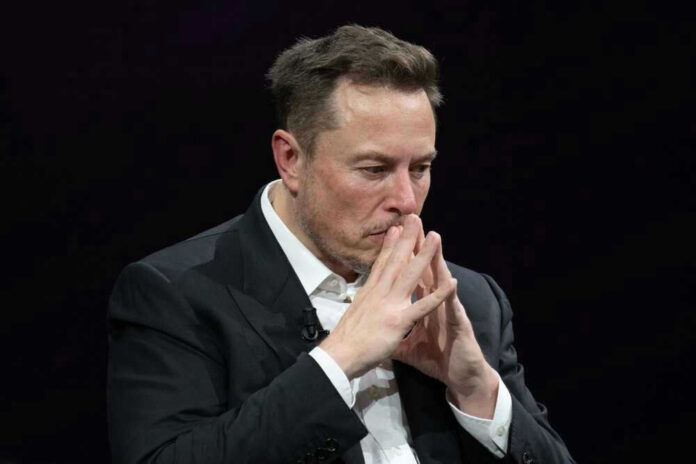
Elon Musk posted “Gut gemacht!” in German to congratulate Alternative for Germany after the party’s state election win. Ulrich Siegmund, the party’s lead candidate in Saxony-Anhalt, publicly thanked Musk on X and linked his message to the victory.
The exchange happened soon after results came in and was framed by outlets as a direct sequence online. Reporting anchors this to the immediate post-election moment and to Siegmund’s role as lead candidate in the state race.
Tech billionaire Elon Musk applauded the German far right's win in Saxony-Anhalt yesterday, a result that sent shockwaves through the country's political establishment and around Europe. https://t.co/6h1aSz03tK
— POLITICOEurope (@POLITICOEurope) September 7, 2026
Coverage identifies the posts as a brief public back-and-forth that added global attention to the AfD result. The Hill and other outlets describe the thank-you as appreciation for Musk’s “support” and for his “clear and highly important perspective” on German politics.
Those reports emphasize the exchange occurred on X and followed the victory announcement. While wording can vary slightly by outlet, the throughline remains consistent: Musk praised; AfD thanked; the tie to the win was explicit.
Election Scale And Why The Result Resonates
News accounts place AfD’s share around 44 percent in Saxony-Anhalt, making the outcome one of the strongest for the party in a German state. Analysts describe it as a landmark step in the party’s push to govern at the state level.
That size of a win drew reactions beyond Germany, as editors and diplomats weighed what it could mean for border control, energy policy, and migration, where AfD campaigns for tougher rules and national sovereignty over Brussels-driven mandates.
The reported vote share explains why a short social media exchange became international news. A big margin gives symbolic weight to every reaction, especially from high-profile figures.
For a party cast as an outsider, quick praise from a global platform owner compounds reach and message discipline. That spotlight can affect how rivals and media frame the aftermath. It can also harden the political “firewall” that keeps AfD out of coalitions, even when it wins pluralities.
Pattern Of High-Profile Online Amplification
This is not the first time AfD leaders interacted with Musk online. Earlier coverage shows party co-leader Alice Weidel also thanked Musk after strong results, supporting a pattern in which elite endorsements drive visibility.
Researchers and analysts have noted that online boosts often shape attention more than direct vote switching. Still, attention matters. It sets the agenda, drives headlines, and pressures establishment parties to respond on hot issues like illegal migration and energy costs.
First Thing: German far-right leader thanks Elon Musk after landmark election win praised by Russia – The Guardian
Of course. Musk and far-right German politicians salute the same way. https://t.co/PidmZkLfUA
— Nicholas (@nikstift) September 8, 2026
For readers in the United States, the dynamic is familiar. Social media attention rewards clear messages about borders, inflation, and national identity.
AfD’s rise in an eastern German state shows how voters punish policies that raise energy bills, weaken industry, or ignore street crime tied to failed migration controls.
When a major tech figure says “well done,” it signals that the political center of gravity may be moving toward order, sovereignty, and common-sense economics.
What This Means For Those Watching Europe
The AfD win and the Musk exchange highlight a broader trend: voters push back when elites dismiss their daily costs and security concerns. Germany’s debate now centers on border enforcement, industrial power, and the price of energy.
Those topics echo debates here at home. Strong border policy, reliable fuel, and safe streets beat lectures from global bureaucrats. The AfD result suggests that clear promises on those basics can break through media headwinds and change the map.
One Caution On Records And Naming
Some reports vary on whether the contest was labeled Saxony or Saxony-Anhalt, and on minor name spellings for Ulrich Siegmund.
The central facts, however, are consistent across respected outlets: AfD won decisively in Saxony-Anhalt; Musk congratulated the party; and Siegmund publicly thanked him after the result.
That shared backbone across multiple sources supports the key takeaways readers care about: who acted, what was said, and why the moment matters now.
Sources:
thehill.com, theguardian.com, truthout.org, yahoo.com, aljazeera.com