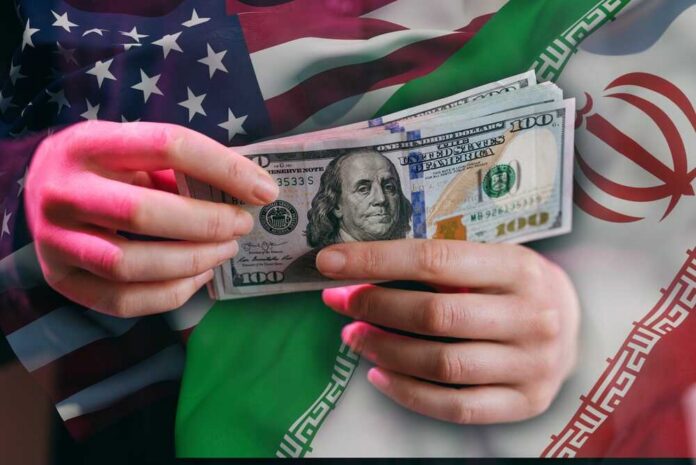
Iran just raised gas prices for the first time since a 2019 fuel hike sparked deadly nationwide riots, but this time officials are only squeezing the drivers who use the most.
Story Snapshot
- Iran rolled out a three-tier gasoline pricing system starting December 13, 2025, raising rates only for heavy users.
- Ordinary drivers keep cheap subsidized fuel for their first 60 liters a month, plus a middle tier for the next 100 liters.
- Anyone burning through more than 160 liters a month now pays a new top rate, roughly 4 U.S. cents per liter at free-market exchange rates.
- The move follows years of economic strain, fuel shortages, and fresh U.S. sanctions pressure on Tehran’s government.
A Tiered Hike Aimed At The Heaviest Drivers
Starting at midnight on December 12, Iran began charging a new top-tier price for gasoline once a driver crosses 160 liters in a single month.
Government spokesperson Fatemeh Mohajerani confirmed the change on state television the next day, saying the elevated rate applies specifically to consumption above that threshold. Iran International reported the new rate at 50,000 rials per liter, or about 4 cents.
That works out to roughly 5,000 tomans per liter under Iran’s dual currency naming system, according to regional outlet WANA, which laid out all three tiers clearly.
The first 60 liters a month still cost just 15,000 rials per liter. The next 100 liters run 30,000 rials. Only fuel bought beyond 160 liters total hits the new 50,000 rial mark, keeping the pain concentrated on the country’s biggest gasoline buyers.
Iran still has some of the world’s lowest gasoline prices, but the price increase adds to daily pressures for many of the country’s more than 90 million people.https://t.co/cXwg6EKJZB
— FOX5 Las Vegas (@FOX5Vegas) September 8, 2026
Why Tehran Waited Until Now To Act
Iran’s cabinet approved this pricing structure on November 5, and a late-November report confirmed the free-market gasoline price would rise by 20,000 rials starting December 6.
A news outlet had also flagged the coming change in late November, describing it as a new third pricing tier layered onto the country’s long-running subsidy system. The rollout gave officials weeks to prepare the public before the higher rate actually took effect.
The change marks Iran’s first gasoline price increase since the deadly 2019 protests, when a sudden 300 percent hike triggered unrest across more than 100 cities.
This time, the government kept the bottom two tiers frozen, a deliberate choice meant to shield everyday commuters while still targeting excess fuel use and the black-market smuggling that thrives on Iran’s ultra-cheap gasoline.
The Economics Behind The Squeeze
Iran sits on massive oil reserves yet spends staggering sums subsidizing gasoline for its own citizens, a policy multilateral researchers have long called economically wasteful.
World Bank analysis found gasoline subsidies in Iran are sharply regressive, with the richest households benefiting ten times more than the poorest.
That imbalance gives reformers an economic argument, even as any price hike carries real political risk in a country where fuel costs have ignited street protests before.
President Masoud Pezeshkian has openly called subsidized fuel prices irrational for an oil-rich nation stuck in economic distress. His government now faces fresh U.S. economic sanctions layered on top of years of shortages, according to Kurdish outlet Rudaw.
Raising prices only for heavy users lets Tehran chip away at subsidy costs without hitting ordinary motorists, whose anger toppled fuel policy plans before.
A Cautious Bet On Public Patience
Deutsche Welle noted the new pricing keeps the first 60 liters at 1.3 U.S. cents per liter and the next 100 liters at 2.5 cents, unchanged from before, while every additional liter now costs far more.
That structure is the government’s insurance policy against another 2019-style backlash. Whether heavy users quietly absorb the cost or push back remains the open question hanging over Tehran’s finance ministry in the months ahead.
For a government already managing sanctions, currency pressure, and fuel shortages, targeting the top tier of consumers is a calculated gamble.
It raises revenue and curbs waste without touching the subsidy that most Iranian households depend on daily. Whether that balance holds depends on how heavy users respond once the higher bills actually arrive at the pump.
Iran doubled gasoline prices for heavy users from Tuesday, as wartime shortages and U.S. sanctions strain the economy. Motorists using more than 110 litres a month now pay 100,000 rials (about 4–7 U.S. cents) per litre — twice the previous top-tier rate. The first 60 litres…
— The Geo-Political Arena (@GPoliticalArena) September 8, 2026
Iran has tried subsidy reform before and paid a steep political price. This tiered approach reflects lessons learned from 2019, when an across-the-board hike proved too blunt an instrument.
Whether a more surgical strategy avoids the same fallout will be one of the clearer economic tests facing Tehran’s leadership through the winter.
Sources:
nbcnews.com, reuters.com, iranintl.com, wanaen.com, presstv.ir, usnews.com, niacouncil.org, business-standard.com, jeedev.nri.ac.ir, imf.org