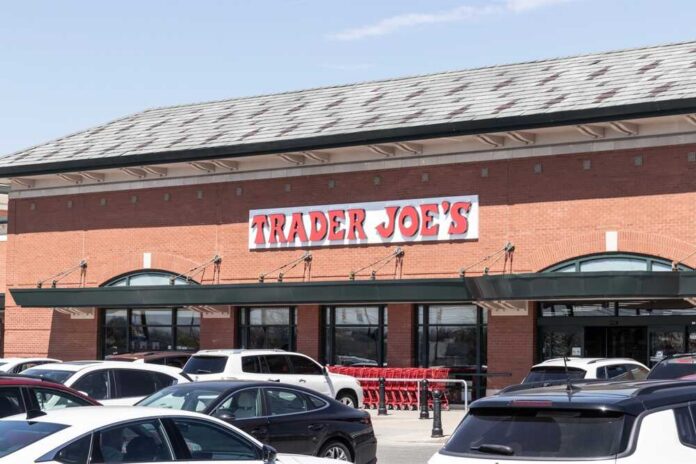
Trader Joe’s faces a class-action lawsuit because its “Low Acid” coffee secretly packs only half the caffeine kick of regular blends, leaving buyers jitter-free and furious.
Story Snapshot
- Four customers sue Trader Joe’s over French Roast Low Acid coffee, which contains about 50% less caffeine than standard blends.
- Plaintiffs claim deceptive marketing violates industry norms requiring labels for reduced-caffeine products like decaf or half-caff.
- Independent testing revealed that the coffee contains 51% Dark French Roast caffeine and 45% House Blend caffeine.
- Lawsuit seeks damages, sales halt, and clearer labeling to protect consumer expectations.
- Case highlights tensions between health-focused marketing and caffeine transparency in coffee retail.
Lawsuit Filing Details
Four plaintiffs from California, New York, and Illinois filed a class-action lawsuit in California courts against Trader Joe’s. They purchased French Roast Low Acid whole bean coffee, expecting a full caffeine boost.
Testing exposed the truth: the product delivers roughly half the caffeine of typical blends. Plaintiffs argue this omission misleads buyers who rely on coffee for daily energy.
A New Lawsuit Claims Trader Joe’s Coffee Has Way Less Caffeine Than Expected https://t.co/nhIXZoIAee
— Delish (@Delish) April 26, 2026
Industry convention shapes the core claim. Coffee makers label products as decaf or half-caff only when caffeine reduction occurs. Unlabeled coffee signals full strength to consumers.
Trader Joe’s “Low Acid” tag targets stomach-sensitive buyers but hides the drop in caffeine, per the suit. Consumers lack home tools to test beans before brewing.
Caffeine Testing Results
Lab analysis compared the Low Acid French Roast to Trader Joe’s own roasts. It contains 51% of the caffeine in Dark French Roast and 45% in House Blend.
This level falls below some competitors’ half-caff options, like Folgers and Puroast. Plaintiffs bought expecting standard potency for work and life demands, not a subtle decaf substitute.
The suit stresses practical deception. Shoppers scan bags for acid relief, not caffeine warnings. Without explicit labels, they assume full caffeination matches other Trader Joe’s products. This gap fuels allegations of false advertising under consumer protection laws.
Plaintiffs’ Key Arguments
Plaintiffs demand that Trader Joe’s halt misleading sales, pay damages, and reassess past claims. They represent a nationwide class of buyers shortchanged on caffeine. The case pivots on reasonable expectations: unlabeled coffee means full power.
Americans favor personal responsibility, yet reject corporate sleight-of-hand. Plaintiffs’ evidence holds weight; testing data matches across reports. If proven, this demands accountability without overreach, protecting free-market trust.
Trader Joe's customers sue over coffee's caffeine levels. https://t.co/3CFnY9988E
— CBS News (@CBSNews) April 25, 2026
Potential Industry Ramifications
Short-term, Trader Joe’s risks reputation hits and relabeling mandates. In the long term, success could mandate caffeine disclosures for specialty coffees, such as low-acid or organic lines. Retailers might reformulate or clarify bags to dodge suits. Broader scrutiny targets health-benefit claims masking other traits.
No Trader Joe’s response appears in the records. Courts hold the next move. Limited data leaves the filing date vague and the damages unspecified. Still, consistent reporting underscores valid consumer gripes over hidden ingredients in everyday buys.
Sources:
Trader Joe’s customers sue over coffee’s caffeine levels – CBS News
Trader Joe’s lawsuit over coffee caffeine
Trader Joe’s Low Caffeine Coffee Lawsuit – Delish