

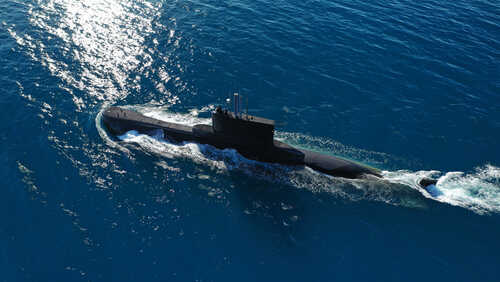
The Trump administration demonstrated American military might as Defense Secretary Pete Hegseth confirmed a U.S. Navy submarine sank Iran’s newest warship with a torpedo strike, marking the first such kill by American forces since World War II, while vowing to fight “for as long as we need to” against the Islamic regime.
See the video below this post.
Story Snapshot
- U.S. submarine destroyed Iranian frigate IRIS Dena with torpedo strike off Sri Lanka on March 3, 2026, killing 80 crew members
- Defense Secretary Hegseth announced the historic sinking as a “quiet death,” the first U.S. submarine torpedo kill since 1945
- Strike occurred during day five of intensified U.S.-Israel operations against Iran following the killing of Supreme Leader Ayatollah Ali Khamenei
- Pentagon released footage of the attack as Hegseth declared the U.S. on track for “complete control of Iranian airspace.”
Historic Submarine Strike Devastates Iranian Navy
During a Pentagon briefing, U.S. Defense Secretary Pete Hegseth revealed that an American submarine launched a torpedo attack against the Iranian frigate IRIS Dena on March 3, approximately 44 nautical miles off Galle, Sri Lanka.
The strike sent Iran’s newest and most advanced warship to the ocean floor in what Hegseth described as a “quiet death.”
Pentagon footage showed the torpedo’s devastating impact on the vessel, which was equipped with sophisticated anti-ship and surface-to-air missiles. Sri Lankan authorities received a distress call at 5:08 a.m. local time and rescued 32 crew members while confirming 80 fatalities.
Joint Chiefs Chairman Dan Caine clarified the strike represents the first sinking of an enemya vessel by U.S. submarine torpedo since 1945, a historic military achievement that underscores American naval superiority.
The attack took place in international waters within Sri Lanka’s exclusive economic zone, far from the Middle East theater where most U.S.-Iran hostilities have occurred. This represents the first U.S. attack on Iranian naval forces outside the Middle East region.
The Trump administration’s willingness to strike deep into international waters demonstrates a resolve to confront Iranian aggression wherever it occurs, sending an unmistakable message about American reach.
Trump Administration Escalates Military Operations Against Iran
The submarine attack occurred amid Operation Epic Fury, the intensified U.S.-Israel military campaign entering its fifth day against Iranian forces.
Hegseth emphasized American dominance during the briefing, stating the U.S. is “on track for complete control of Iranian airspace” and possesses strong missile stockpiles to sustain prolonged operations.
The Defense Secretary referenced alleged Iranian assassination plots against President Trump, declaring, “Iran tried to kill Trump and Trump got the last laugh.”
This context reveals a Trump administration determined to decisively defeat an adversary that threatened American leadership and destabilized global energy markets through disruptions in the Strait of Hormuz.
Joint U.S.-Israel strikes earlier in the week targeted Iranian ballistic missile sites, air defense systems, and leadership positions following the elimination of Ayatollah Ali Khamenei.
Iran’s retaliatory missile launches proved ineffective against American and Israeli defenses, according to Pentagon assessments. The regime also halted oil shipments through the Strait of Hormuz, triggering economic disruptions that will ultimately harm Iran’s already weakened economy.
Hegseth’s commitment to fight “as long as we need to” signals that the administration will not accept half-measures or premature diplomatic exits, as in previous failed negotiations with Tehran.
Iranian Military Capabilities Crippled by U.S. Strikes
The destruction of the IRIS Dena represents a catastrophic blow to Iran’s naval capabilities, with sources indicating the regime’s navy has been “decimated” during the current conflict.
The frigate was Iran’s newest warship, representing a significant investment in naval modernization now resting at the ocean floor. Iranian officials suspect deliberate targeting after claims their vessel’s defenses were disabled before the attack, though no formal public statement has emerged from Tehran.
The regime’s inability to protect its most advanced naval asset demonstrates the effectiveness of American submarine warfare technology and operational expertise that globalist critics often downplay.
Sri Lankan officials confirmed their navy dispatched rescue vessels within one hour of the distress call, fulfilling international maritime obligations while maintaining neutrality in the conflict.
The humanitarian response by Sri Lanka contrasts sharply with Iran’s regional aggression and disregard for international norms. Pentagon maps displayed during the briefing showed comprehensive U.S. and Israeli operational advantages across the theater.
The Trump administration’s decisive military action vindicates the President’s long-standing position that strength, not appeasement, deters adversaries and protects American interests against regimes that sponsor terrorism and threaten allies.
Sources:
Fact-checking Pete Hegseth’s claim: Was Iranian warship sinking a first torpedo kill since WWII?
US submarine strike sinks Iranian warship for first time since WWII
‘Quiet Death’: U.S. Sinks Iranian Warship With Torpedo