

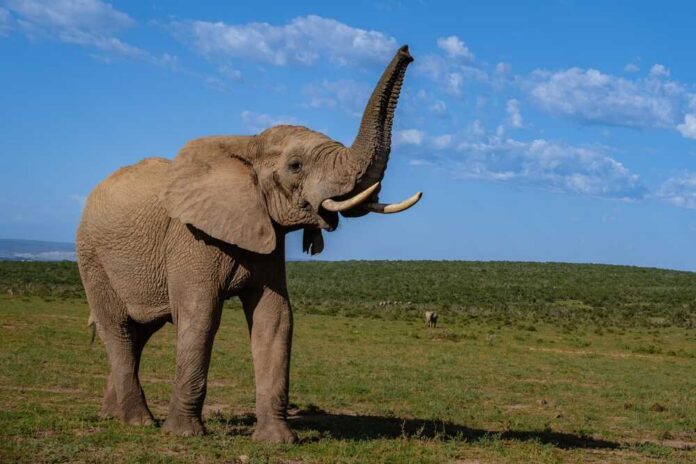
A wild bull elephant with three confirmed kills continues roaming a popular Thai national park where tourists walk trails, exposing failures in wildlife management that prioritize animal populations over human safety.
Story Snapshot
- A bull elephant named Oyewan trampled a 65-year-old Thai tourist to death at Khao Yai National Park during a morning walk with wife
- The same elephant is responsible for three confirmed human fatalities, with park officials suspecting involvement in additional unsolved deaths
- Over 220 tourists and locals have been killed by wild elephants in Thailand since 2012, asthe population nearly doubled amid conservation policies
- Authorities delayed decision-making on relocating a dangerous animal, scheduling a meeting days after the latest fatal attack
Repeat Killer Elephant Targets Tourist on Park Trail
Oyewan, a wild bull elephant, attacked and killed a 65-year-old tourist from Lopburi province during a Monday morning walk at Khao Yai National Park in central Thailand.
The victim’s wife escaped after park rangers intervened during the trampling. Chaiya Huayhongthong, park chief, confirmed this marked the third verified fatality caused by Oyewan and stated the elephant could be responsible for additional unsolved deaths.
Authorities scheduled a Friday meeting to decide whether to relocate the animal or attempt behavior modification, leaving the dangerous elephant to roam tourist areas for days after the attack.
Elephant kills tourist at national park in Thailand, third fatality linked to the same animal https://t.co/N3vOddeYpl
— CBS Mornings (@CBSMornings) February 2, 2026
Rising Elephant Population Creates Deadly Conflict Zone
Thailand’s wild elephant population surged from 334 in 2015 to nearly 800 in recent years, driven by conservation efforts including contraceptive programs for females.
This population explosion coincided with escalating human-elephant conflicts across 34 provinces between 2014 and 2023, resulting in 341 incidents that caused 360 human casualties, including 189 deaths.
The conflicts also resulted in 234 elephant casualties, primarily from defensive measures like electrocution and gunshots employed by farmers protecting crops.
Department of National Parks officials track over 220 human deaths by wild elephants since 2012, revealing a crisis that intensified as habitat loss forced elephants into closer contact with populated areas.
Government Prioritizes Animal Rights Over Public Safety
Conservation policies demonstrate a clear prioritization of elephant welfare over human lives, as evidenced by delayed responses to dangerous animals and reliance on non-lethal interventions despite mounting casualties.
Authorities implement contraceptives and consider relocation rather than removal of confirmed killers, while nearly 400,000 farmers and 156,000 families face crop destruction and direct threats. Recent tourist deaths include a Spanish visitor killed at a southern sanctuary and another fatality in Loei province during December 2024.
This pattern reflects broader government overreach where bureaucratic wildlife management supersedes individual safety and property rights, forcing citizens to defend themselves while officials deliberate. Khao Yai National Park borders regions with only 28 percent forest cover, pushing elephants onto trails where unsuspecting tourists become targets.
Tourism Industry Faces Economic Fallout From Attacks
Repeated elephant attacks threaten Thailand’s wildlife tourism sector as Khao Yai National Park, the country’s oldest, confronts reputation damage from fatal incidents involving aggressive bulls like Oyewan.
Economic impacts extend beyond tourism revenue losses to include widespread agricultural destruction, with one area reporting more than 60,000 trees lost to elephant raids.
Conflicts peak during the rainy season, when crop availability is limited from July through October, when elephants venture into farmland and populated zones.
The Eastern region logged 147 human-elephant conflict cases, with Chanthaburi province alone recording 48 incidents. Experts link 55 percent of human attacks to farms, where citizens resort to defensive measures, such as electric fences, while government agencies focus resources on protecting animal populations rather than securing communities and visitors.
Sources:
Human-elephant conflict analysis in Thailand (2014-2023) – PMC
Human-elephant conflict impacts on Thai communities – Nation Thailand
Elephant kills tourist at national park in Thailand – WDEF
Elephants in Thailand – Wikipedia
Elephants attacking in Khao Yai National Park – BootsnAll
Scientists study Thailand elephant-human conflict – CBS News