
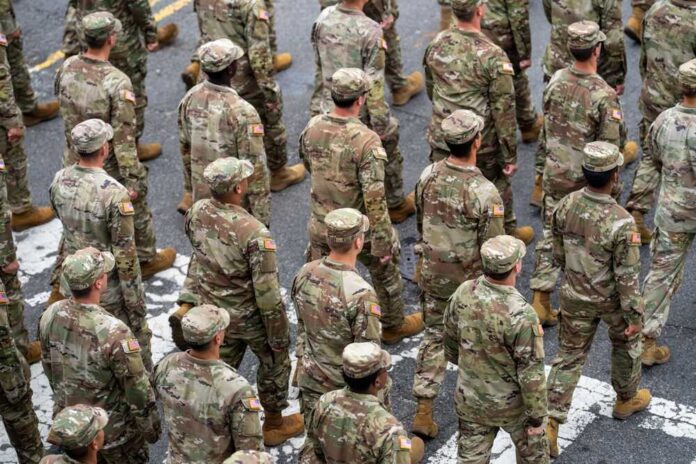
When the Pentagon cancels Europe-bound troop rotations without releasing the underlying orders, Americans are left to guess whether strategy or politics is steering U.S. power abroad.
Story Snapshot
- Pentagon canceled planned deployments to Poland and Germany as part of a drawdown of roughly 5,000 troops in Europe, according to officials cited in reporting [1][2].
- Defense Secretary Pete Hegseth reportedly signed a memo directing removal of a brigade combat team from Europe [1].
- Army leaders told Congress discussions spanned two weeks, but lawmakers said Polish officials felt blindsided [1].
- Pentagon says it is canceling rotations, not pulling already stationed forces, but has offered limited public rationale [1].
What Changed: Canceled Rotations, Not Base Closures
The Pentagon halted planned deployments to Poland and Germany, framing the move as canceling upcoming rotations rather than withdrawing troops already stationed in Europe [1].
Associated reporting says the reduction aligns with a presidential directive to cut the U.S. troop footprint in Europe by about 5,000, a number that shapes headlines but does not detail which missions are affected [1][2].
Officials described the action as an adjustment to planned presence, not an abandonment of current bases, which matters for logistics, signaling, and alliance planning [1].
Defense Secretary Pete Hegseth signed a memo instructing the Joint Chiefs of Staff to move a brigade combat team out of Europe, according to accounts attributed to U.S. officials [1].
That step indicates formal authorization at the highest levels. Pentagon spokesman Joel Valdez said the drawdown followed “a comprehensive, multilayered process” and was “not an unexpected, last-minute decision,” language aiming to portray an orderly posture review [1].
The public record provided to reporters has not included the memo itself, limiting outside verification of scope and rationale [1].
BREAKING: The U.S. halts Army deployment to Poland as part of a troop reduction in Europe initially focused on Germany, AP sources say. https://t.co/vkta42dkdN
— The Associated Press (@AP) May 15, 2026
Congressional Blowback and Allied Anxiety
During a House hearing, lawmakers criticized the timing and transparency, calling the cancellation “reprehensible” and “an embarrassment,” and pressed Army leaders on whether Poland had been notified before reports surfaced [1].
Army Secretary Dan Driscoll and General Christopher LaNeve said discussions occurred over two weeks but could not confirm Polish notice, fueling claims that Warsaw was blindsided [1].
Critics argued the move occurred while Russia’s war in Ukraine continued, without any offsetting concession from Moscow to justify a reduced forward presence [1].
The dispute turns on perception as much as numbers. Supporters emphasize the distinction between canceling a rotation and removing stationed forces; opponents highlight that the affected unit was a brigade-sized armored rotation to Poland, a key reassurance on NATO’s eastern flank [1].
Reporting does not include a released force-posture assessment quantifying deterrence impacts, leaving both sides to lean on inference and signaling concerns rather than published operational analysis [1].
Without the notification timeline, it also remains unclear whether and when allies received formal consultations [1].
Strategic Context: Rebalancing Versus Retrenchment
U.S. adjustments to European troop levels repeatedly trigger a “prudent rebalancing versus retrenchment” debate. The meaning depends on whether changes degrade rotational presence, prepositioned gear, and reinforcement timelines—factors not detailed in the public documents here [1][2].
The administration’s defenders can argue fiscal discipline and global prioritization, while critics warn about damaging credibility with allies who watch U.S. commitments closely. Headline numbers risk flattening nuance by equating canceled rotations with permanent withdrawals [1].
For Americans across the political spectrum who distrust opaque government processes, the information gap is the core problem.
Officials referenced a presidential order and a signed memo, but the texts have not been released [1]. That silence invites speculation that decisions reflect politics more than strategy, even if internal analysis exists.
Releasing the Defense Secretary’s directive, the presidential tasking, any risk assessments, and the allied notification record would allow citizens and partners to judge whether the drawdown is disciplined planning or shortsighted retrenchment [1][2].
Sources:
[1] Web – Pentagon halts deployments to Poland, Germany | Connecting Vets
[2] Web – Pentagon Cancels Troop Deployments to Poland and Germany in …