

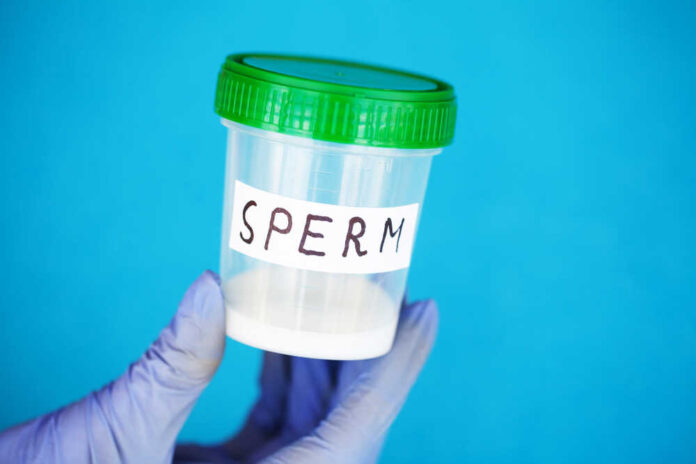
Sperm from a donor carrying a deadly cancer-causing gene was used to conceive nearly 200 children across Europe, exposing major flaws in international sperm donation regulation and risking countless young lives.
Story Snapshot
- Nearly 200 children conceived using sperm from a donor with a TP53 gene mutation linked to Li Fraumeni syndrome.
- Many affected children have already developed cancer; some have died at a young age.
- The donor passed screening but carried a mutation causing a 90% lifetime cancer risk.
- European laws limiting donor use were widely breached, with up to 53 children born to 38 women in Belgium alone.
Dangerous Genetic Mutation Passed Through Donor Sperm
The European Sperm Bank in Denmark supplied sperm from a donor unknowingly carrying a mutation in the TP53 gene, crucial for preventing cancerous cell growth. This mutation causes Li Fraumeni syndrome, which results in about a 90% chance of developing cancer, often in childhood and later breast cancer.
Up to one-fifth of the donor’s sperm carried this mutation, meaning any child conceived with affected sperm inherits the gene in every cell. Tragically, some children have already died young from cancer, while many others live under the shadow of this devastating diagnosis.
Sperm from donor with cancer-causing gene was used to conceive almost 200 children https://t.co/o8LZs6ua5H
— BBC News (UK) (@BBCNews) December 10, 2025
Regulatory Failures and Widespread Use Across Europe
The donor’s sperm was distributed to 67 fertility clinics in 14 countries over 17 years, resulting in nearly 200 births. Despite national laws limiting how many families can use a single donor—for example, Belgium restricts usage to six families—these limits were flagrantly ignored.
In Belgium alone, 53 children were born to 38 different women with this donor’s sperm. No international law governs the total number of offspring from a single donor, allowing such breaches to occur unchecked. This regulatory failure highlights a dangerous gap risking public health and family well-being across Europe.
Medical Community Response and Ongoing Investigations
The mutation was uncovered after doctors noticed unusual cancer patterns among children conceived via sperm donation and raised concerns at the European Society of Human Genetics.
Freedom of Information requests revealed 197 children linked to the donor, with at least 23 confirmed to carry the mutation and 10 already diagnosed with cancer.
Experts warn that more affected children may be discovered as data is updated. Cancer geneticists describe the diagnosis as a lifelong burden and devastating for families, underscoring the urgent need for stricter donor screening and oversight.
Implications for U.S. and Global Fertility Practices
The European Sperm Bank confirmed it does not ship to the United States due to American regulations, though it works with sperm banks in Canada and Mexico. This case exposes the risks of loose international coordination and the consequences of ignoring regulation.
For American families considering sperm donation, it serves as a stark warning about potential dangers hidden by lax screening and cross-border transfers.
It also reinforces the conservative call for stronger borders—not just physically but legally—to protect American families and values from reckless globalist policies undermining health and sovereignty.
Limited data is available on the full extent of damage caused by this donor’s sperm, but the known facts already reveal a tragic failure of oversight and a threat to innocent children’s lives. This scandal demands urgent reforms to protect families, uphold safety, and enforce national laws without compromise.