

A 24-year-old runner collapsed near mile 24 of the New York City Marathon and died hours later, and her father says rhabdomyolysis was to blame.
Story Snapshot
- Rachel Apa collapsed near mile 24 and later died at Mount Sinai, police and news reports say.
- A bystander gave CPR; race medics used a defibrillator and rushed her by ambulance.
- Her father told reporters she died from rhabdomyolysis, a rare muscle breakdown.
- The medical examiner had not issued a final cause of death in early reports.
What happened on race day
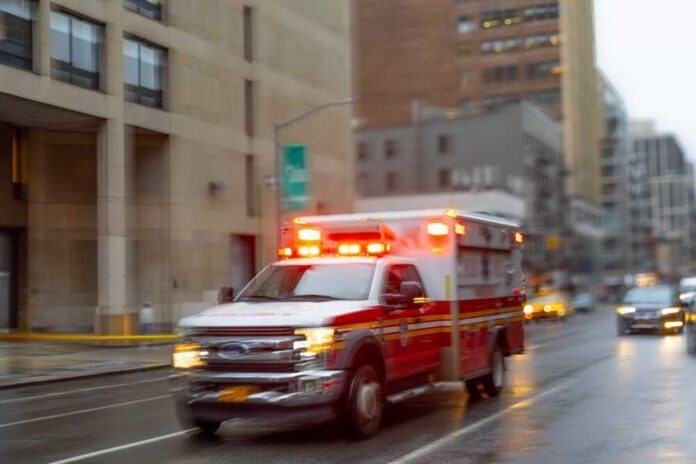
New York Police Department officials told the Associated Press that Rachel Apa collapsed as she neared the 24-mile mark in Central Park. New York Road Runners said a bystander began chest compressions, race medical staff took over, a defibrillator was used, and she was transported by ambulance. CBS News reported she was taken to a Mount Sinai hospital, where she died after further treatment later that day. Her family and the running community expressed grief over the loss.
24-year-old Rachel Apa dies after collapsing in Central Park just two miles from completing the New York City Marathon.
Her parents say they were tracking her on the marathon tracking app when she stopped moving at Mile 24.
"Final stretch," her father texted her at Mile 23,… pic.twitter.com/bK8aGNWXjm
— Collin Rugg (@CollinRugg) November 3, 2026
Her father, Steve Apa, told reporters that Rachel had messaged him during the race about pain, texting “Ow” and “Ow ow,” before she collapsed near the finish. He said she died from rhabdomyolysis, which can occur when intense exertion damages muscle. Rhabdomyolysis can flood the blood with muscle proteins and electrolytes that strain the heart and kidneys. The New York City Office of the Chief Medical Examiner had not issued a final ruling in the early coverage.
What rhabdomyolysis does inside the body
Rhabdomyolysis is a massive muscle breakdown. Strenuous exercise, heat, dehydration, certain drugs, and genetic conditions can trigger it. Damaged muscle releases myoglobin and potassium into the blood. Myoglobin can clog the kidneys. High potassium can trigger fatal heart rhythms. Symptoms can include severe muscle pain, weakness, and dark urine. Diagnosis usually relies on a very high creatine kinase level on blood tests, along with kidney and electrolyte checks. Treatment aims to flood the body with fluids and correct electrolytes fast.
In endurance events, risk rises when long miles meet heat, humidity, or poor hydration. Pushing past early warning signs can worsen the damage. Coaches teach runners to back off when severe cramps, confusing pain, or dizziness hit. Medical tents watch for confusion, vomiting, or sudden weakness. Most cases do not become fatal when treated early. But if the cascade starts and the heart or kidneys fail, the danger can advance within hours.
How rare are fatal events at marathons
Deaths during marathons are uncommon. A large review of more than three million participants found 26 sudden cardiac deaths, which is about 0.8 per 100,000 runners. Another study of long-distance events placed sudden death at about 0.39 per 100,000 participants. Reviews note that the risk appears lower in women and most fatal events link to hidden heart disease, not muscle injury. These figures help frame risk: millions finish each year, and tragedy remains rare.
Safety planning still matters. Race directors stock medical tents. Volunteers train to spot distress. Defibrillators and rapid ambulance access make the difference between life and death. The steps taken for Rachel—bystander CPR, on-course defibrillation, and a fast transfer—match best practices taught in emergency medicine. Preparedness does not erase risk, but it narrows the window where a bad event becomes fatal.
Why this case drew such intense attention
Rachel Apa was young, on her first marathon, and within sight of the finish. She was running for charity and texting her dad along the way. Those human details make the loss feel personal. The father’s account points to rhabdomyolysis, a rare but known exertion risk. Authorities had not issued a final cause in the early days, which is common after a sudden death that requires full review. Public focus often jumps to broad claims about danger, but data show these deaths are exceptional.
Practical takeaways help runners, families, and race planners. Respect pain that feels sharp, spreading, or new. Hydrate and fuel on schedule. Adjust pace when heat or humidity spikes. Know personal risk, including medications and any muscle or kidney history. Train within a plan, not emotion. On race day, walking into a medical tent is a sign of judgment, not failure. Freedom to run includes the duty to stop when the body says stop.
Sources:
abcnews.com, apnews.com, cbsnews.com, runnersworld.com, pmc.ncbi.nlm.nih.gov, tandfonline.com